10 insights from the Machina AI Summit: Physical AI moves from demos to deployment
Physical AI and robotics are moving beyond impressive demonstrations into a new phase of practical deployment, with companies now targeting specific, high-value use cases in manufacturing and logistics - production-ready systems capable of delivering measurable ROI. After years of research breakthroughs and impressive demonstrations, the focus for physical AI has shifted to real-world data, functional [... ] The post 10 insights from the Machina AI Summit: Physical AI moves from demos to deployment appeared first on SiliconANGLE.
Key Takeaways
- Physical AI is moving beyond demonstrations into a new phase of practical deployment, with companies now targeting measurable ROI.
After years of research breakthroughs and impressive demonstrations, the focus for physical AI has shifted to real-world data, functional safety and sustainable business models.
- We need robotics that are intelligent enough to go do those jobs.
- Path Robotics is solving the severe skilled-labor shortage in U.
manufacturing, where the average welder is 55 years old and 20-30% are expected to retire soon.
- VicOne secures physical AI and robotics with full-lifecycle protection.
- The company is deploying Spot for industrial inspection in manufacturing and food and beverage, while bringing Atlas into net-new use cases such as part sequencing and machine tending in auto manufacturing.
Stats & Key Facts
- #manufacturing, where the average welder is 55 years old and 20-30% are expected to retire soon.
- #In one customer case, human welding time on truck chassis and data-center skids dropped from 150 man-hours to just 9, a 91% reduction that enables manufacturers to scale production amid surging demand.
- #AI has dramatically accelerated behavior development, reducing the time to move new capabilities from simulation to robot from roughly a year to just a few hours with near-99% reliability, Amanda McMaster , CEO of Boston Dynamics, highlighted.
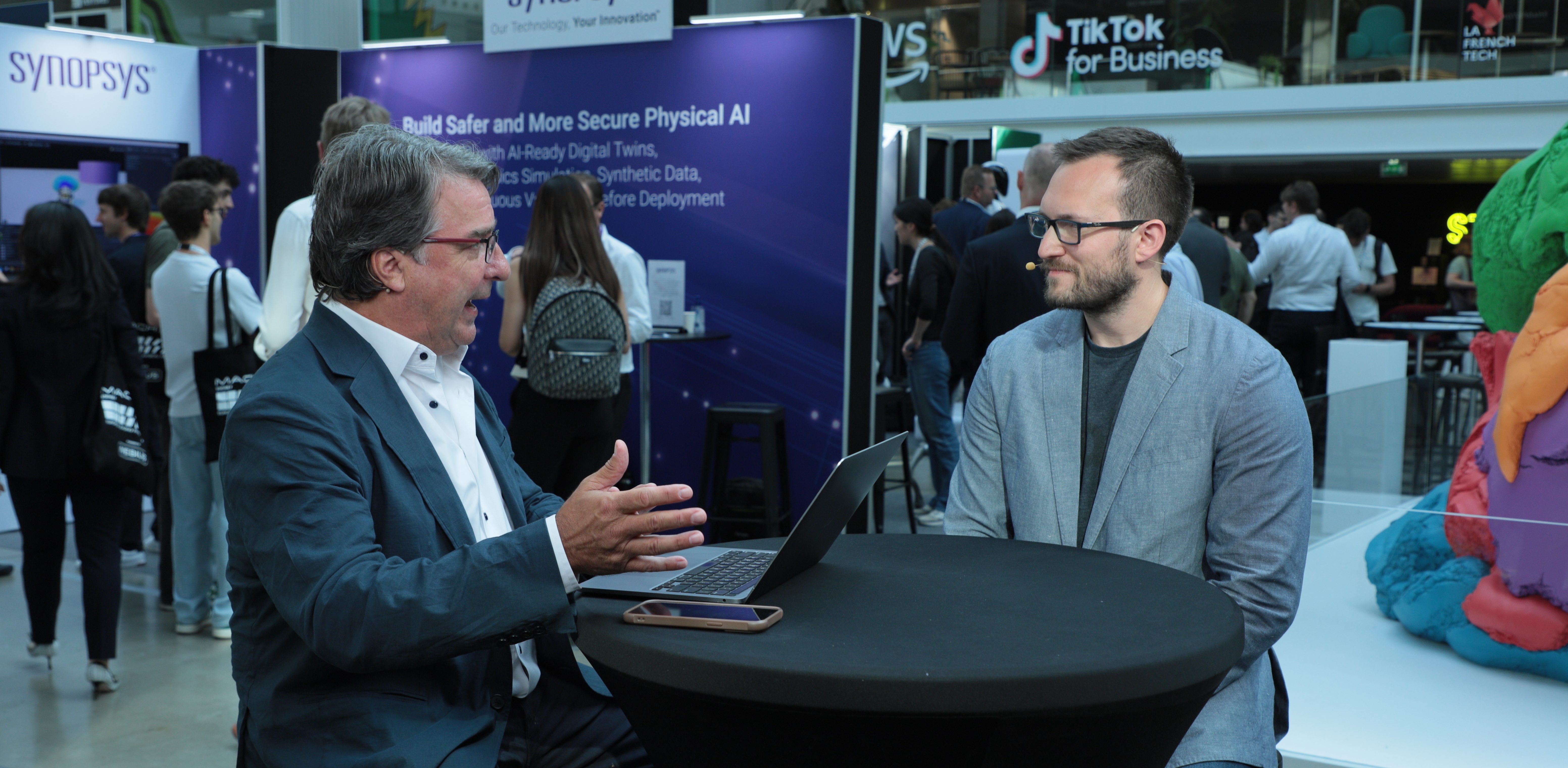
Physical AI is moving beyond demonstrations into a new phase of practical deployment, with companies now targeting measurable ROI. After years of research breakthroughs and impressive demonstrations, the focus for physical AI has shifted to real-world data, functional safety and sustainable business models. The next phase will be defined by practical deployment, from humanoid robots navigating factory floors to cognitive systems that can see, hear, feel and adapt to the environments around them.
"It's a huge issue when you think about labor, when we need it to produce and produce at scale," said Andrew Lonsberry (pictured, right), co-founder and chief executive officer of Path Robotics Inc. "We need products, and we need them built at scale now. We need robotics that are intelligent enough to go do those jobs.
That's what we built Path to do. " Lonsberry and other industry experts spoke to John Furrier , executive analyst at theCUBE Research, during the Machina AI Summit , the exclusive day-zero event preceding the RAISE Summit in Paris. The interviews highlighted the opportunities, challenges and hard lessons emerging as organizations move beyond pilots into production - and where physical AI and robotics are heading next.
For more details please read the original article at SiliconANGLE AI.
Continue Learning
Comments
Sign in to join the conversation