Acodyne secures €2.5M to develop next-generation autonomous logistics aircraft
Copenhagen-based deep tech startup Acodyne has raised €2. 5 million in pre-seed funding to scale its unmanned eVTOL cargo aircraft for heavy-lift logistics in defence, offshore, and remote operations. The Danish aerospace startup is targeting military resupply, offshore operations and regional cargo transport with heavy-lift eVTOL aircraft capable of operating without onboard crew.
Key Takeaways
- 5M to develop next-generation autonomous logistics aircraft The Danish aerospace startup is targeting military resupply, offshore operations and regional cargo transport with heavy-lift eVTOL aircraft capable of operating without onboard crew.
Cate Lawrence 1 hour ago Share Share Send email Copy link Copenhagen-based deep tech startup Acodyne has raised €2.
- Acodyne develops unmanned cargo aircraft for the most time-critical heavy-lift missions, combining vertical take-off and landing with fixed-wing flight at jet speeds.
The company combines proprietary ducted-fan propulsion with an AI-driven autonomy stack to enable efficient delivery of critical goods in defence, offshore and remote environments.
- A team with deep roots in defence and aviation The company stands out for its team of domain experts.
Acodyne's four co-founders bring backgrounds from the Danish Ministry of Defence, Scandinavian Airlines, Cobham Aerospace Communications and DTU Space.
- Moving beyond helicopters In terms of market fit, Acodyne is initially targeting defence logistics, offshore operations, and remote and regional supply chains.
In defence, resupply still relies on either slow land transport or helicopter missions that expose personnel and aircraft to threats.
- At the same time, defence is both an important opportunity and a meaningful way to contribute to Europe's security.
Stats & Key Facts
- #5 million in pre-seed funding to scale its unmanned eVTOL cargo aircraft for heavy-lift logistics in defence, offshore, and remote operations.
- #5 million in pre-seed funding to scale its unmanned eVTOL cargo aircraft for heavy-lift logistics in defence, offshore, and remote operations.
- #Acodyne's aircraft are designed to carry payloads of between 100 and 500 kg, depending on the model, with a cruise speed of 450 km/h and a range of up to 500 km, extending to 1,000 km in hybrid configurations.
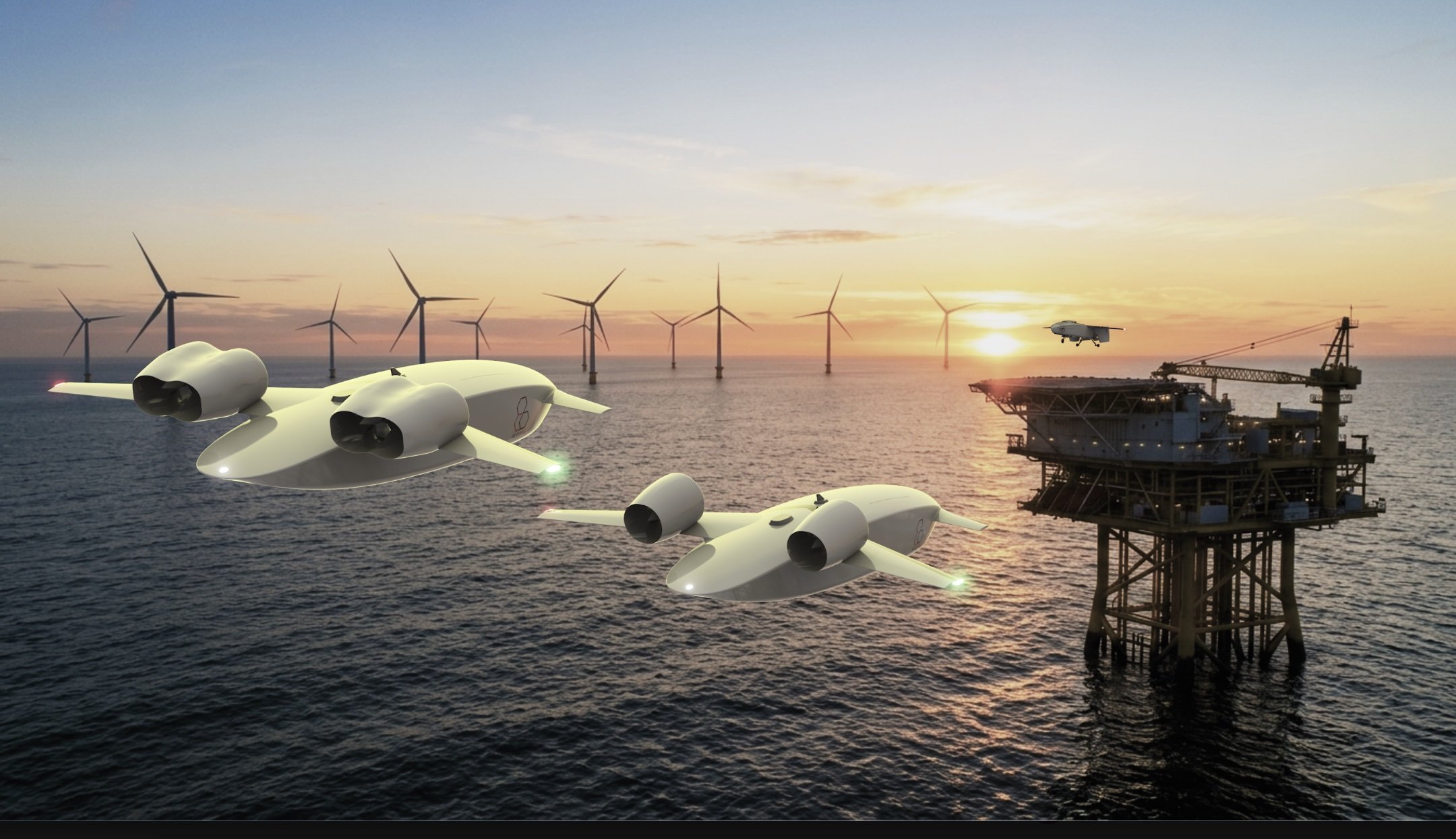
The Danish aerospace startup is targeting military resupply, offshore operations and regional cargo transport with heavy-lift eVTOL aircraft capable of operating without onboard crew. 5M to develop next-generation autonomous logistics aircraft The Danish aerospace startup is targeting military resupply, offshore operations and regional cargo transport with heavy-lift eVTOL aircraft capable of operating without onboard crew. Cate Lawrence 1 hour ago Share Share Send email Copy link Copenhagen-based deep tech startup Acodyne has raised €2.
5 million in pre-seed funding to scale its unmanned eVTOL cargo aircraft for heavy-lift logistics in defence, offshore, and remote operations. The round, jointly led by Swedish defence VC Gungnir Capital and Danish PSV Hafnium, with participation from EIFO, SAP9 Group and GreenUP IV Invest, supports Acodyne's contribution to European and NATO logistics resilience and to Danish industrial growth in defence-tech. To find out more, I spoke with co-founders Mads Schnack, CEO, and Jasmina Pless, CCO.
An autonomous eVTOL for heavy-lift logistics Acodyne is a Danish deeptech aerospace company developing autonomous eVTOL cargo aircraft for high-speed, heavy-lift logistics. Acodyne develops unmanned cargo aircraft for the most time-critical heavy-lift missions, combining vertical take-off and landing with fixed-wing flight at jet speeds. The company combines proprietary ducted-fan propulsion with an AI-driven autonomy stack to enable efficient delivery of critical goods in defence, offshore and remote environments.
For more details please read the original article at Tech.eu.
Continue Learning
Comments
Sign in to join the conversation