Agent-to-Agent (A2A) Protocol: How Cross-Agent Communication Works in Production
Deep dive into the A2A protocol: Explore specification-level components, failure modes, and how it enables enterprise-grade AI orchestration at scale. Building one AI agent to handle a task is simple. The real headache begins when you need to build workflows where multiple agents must coordinate tasks across different systems.
Key Takeaways
- Developers often end up writing custom code just to make tools collaborate.
The agent-to-agent protocol - also called the Agent2Agent or A2A protocol - solves this problem by giving different agentic systems a common language for collaboration.
- Because it uses a standardized JSON message format, you don't have to worry about vendor lock-in.
It fits right into the security and authorization patterns your enterprise already uses so you can swap frameworks without breaking the whole architecture.
- A2A protocol architecture: Core components The A2A protocol uses four main building blocks to keep systems interoperable.
These components define a consistent communication model that operates over HTTP and can also integrate into broader architectures that use message brokers like RabbitMQ or Apache Kafka.
- This is how a client agent tells a remote agent exactly what it needs.
If these aren't clearly defined, the workflow can trigger an error requiring manual intervention because the executor won't know which business process to run.
- Transport and streaming This layer is the "road" the data travels on.
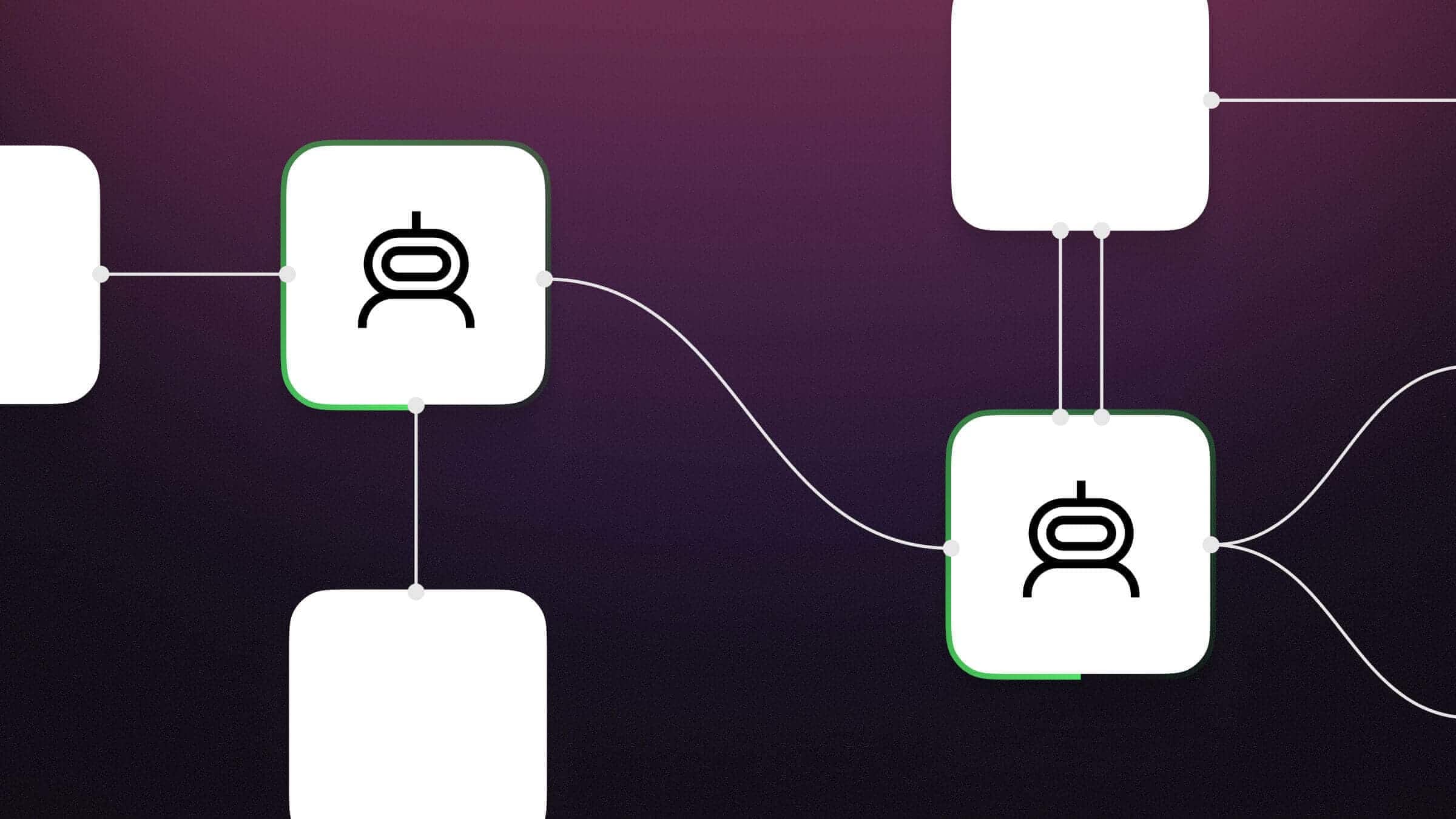
Google introduced the A2A protocol in April 2025 as an open standard for AI systems to communicate. It uses HTTP as the primary transport, JSON-RPC for structured messaging, and server-sent events (SSE) for streaming updates during long-running tasks. This design supports asynchronous work, so one agent can send a task to another and continue operating while the work runs.
For technical leads, the Google A2A protocol removes the need to build a custom connection every time you add a new tool to your stack. Because it uses a standardized JSON message format, you don't have to worry about vendor lock-in. It fits right into the security and authorization patterns your enterprise already uses so you can swap frameworks without breaking the whole architecture.
💡 A2A is an open protocol, which means this is a technical description on how AI agents communicate according to the Google. Agent Development Kit (ADK) is an actual programming library from Google that supports A2A protocol. Several other libraries have implemented A2A as well.
For more details please read the original article at n8n Blog.
Why It Matters for Business
Real business deployments are the most reliable signal of where AI is generating measurable ROI. Watching which sectors operationalize AI, what they pay for it, and how it changes their P&L tells you more than any vendor demo. These case studies are what serious buyers and investors triangulate on.
Continue Learning
Comments
Sign in to join the conversation