AI Agent Identity Management for Production
AI agent identity management controls authentication, authorization, and delegated access for autonomous systems operating across tools, APIs, and workflows. Outdated security models don't work for today's AI-driven systems. While traditional identity access management (IAM) assumes that there's a person behind a keyboard, AI agents require different identification and remediation processes.
Key Takeaways
- This guide covers why AI agent identity management needs its own architecture, what defines an agent's identity, and how to authenticate and authorize them safely in production.
Why traditional identity systems break down for AI agents Autonomous agents break every one of IAM's assumptions.
- A single token gets shared between five agents that have nothing to do with each other.
- Agentic systems need a different model - one built around identity propagation, runtime authorization, and dedicated non-human identity governance.
AI agent identity management gives each autonomous agent its own credentials, scopes, and audit trails so every action traces back to a specific identity and authorization context.
- First, runtime identity is delegated.
The agent acts on behalf of a specific user or workflow context, and that context travels with each call.
- Instead of granting broad rights, an agent receives a narrow permission set for a specific task, often for a specific length of time.
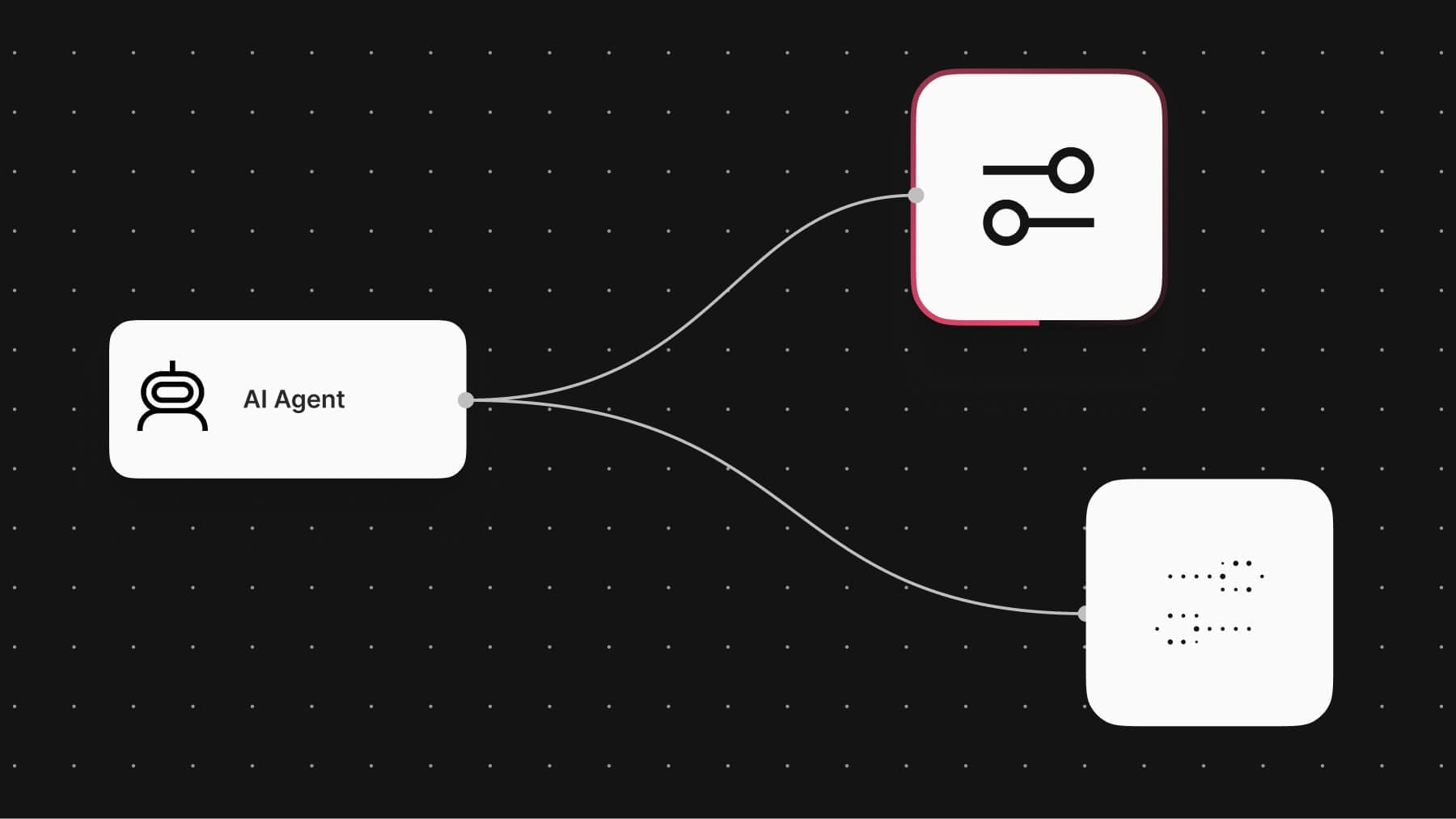
This guide covers why AI agent identity management needs its own architecture, what defines an agent's identity, and how to authenticate and authorize them safely in production. Why traditional identity systems break down for AI agents Autonomous agents break every one of IAM's assumptions. They authenticate as service principals, then chain calls across half a dozen APIs in seconds.
Routing decisions emerge mid-run from the contents of an email or the output of an LLM. Two agents acting on the same OAuth token can execute wildly different actions depending on what the model decides next. And when the audit trail still reads "agent_service_account_3," it's nearly impossible to track.
The same identity gaps appear in production AI agent deployments across teams. A single token gets shared between five agents that have nothing to do with each other. Audit logs name the service account and stop there.
For more details please read the original article at n8n Blog.
Continue Learning
Comments
Sign in to join the conversation