AI-assisted learning platform helps robots reason beyond literal commands
A new report details an AI-assisted learning system designed to help machines "reason beyond literal commands". Known as "FLEX", this technology seeks to improve how automated systems carry out instructions. The innovation could pave the way for household and assistive robots that are far more intuitive and interactive.
Key Takeaways
- The AI-assisted learning platform, identified as "FLEX", addresses a primary challenge in robotics by allowing devices to "reason beyond literal commands".
Instead of failing or executing tasks strictly according to word-for-word instructions, systems using this approach can process contextual meaning to fulfill user expectations.
- By creating machines that offer more intuitive and interactive responses, the technology moves personal robotics closer to being helpful everyday companions in human spaces.
An AI-assisted learning system known as "FLEX" allows robots to "reason beyond literal commands".
- Enabling machines to understand implied directives helps robots operate effectively in unstructured environments.
- This capability is especially important for the future of household and assistive robots.
- The framework is designed to make household and assistive robots much more interactive and intuitive.
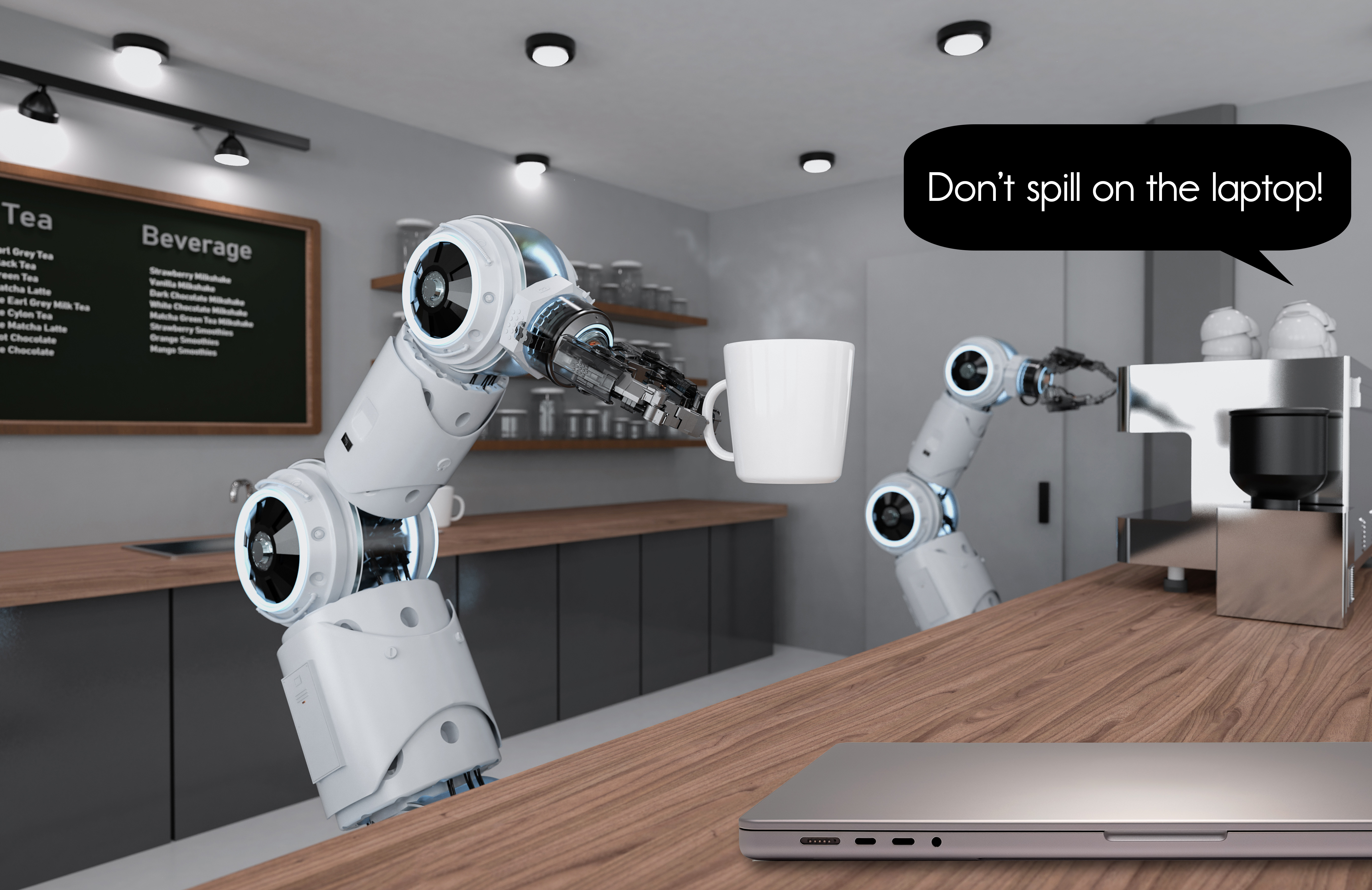
The AI-assisted learning platform, identified as "FLEX", addresses a primary challenge in robotics by allowing devices to "reason beyond literal commands". Instead of failing or executing tasks strictly according to word-for-word instructions, systems using this approach can process contextual meaning to fulfill user expectations. This capability is especially important for the future of household and assistive robots.
By creating machines that offer more intuitive and interactive responses, the technology moves personal robotics closer to being helpful everyday companions in human spaces. An AI-assisted learning system known as "FLEX" allows robots to "reason beyond literal commands". The framework is designed to make household and assistive robots much more interactive and intuitive.
For more details please read the original article at MIT News AI.
Continue Learning
Comments
Comments appear only after moderation. Your email identifies your submission to the moderator and is never displayed here.
No approved comments yet.