Amazon Quick ARNs: Cross-account migration and namespace permissions
AWS Machine Learning published a guide explaining the structure of Amazon Quick ARNs alongside a practical mental model for working with them. The resource helps developers assess migration strategies, troubleshoot permission problems more rapidly, and build multi-tenant systems. AWS Machine Learning published a technical guide detailing the structure of "Amazon Quick ARNs" and providing a practical model for managing them.
Key Takeaways
- The post clarifies how resource names function across cloud environments, helping technical teams analyze ARN formats directly.
This structural clarity allows developers to evaluate cross-account migration strategies with accurate insights into resource mapping.
- The publication also highlights methods for addressing authorization challenges and namespace permissions.
By learning to decode ARN components quickly, developers can accelerate troubleshooting when permission errors arise.
- These concepts offer valuable knowledge for cloud practitioners designing secure multi-tenant architectures.
AWS Machine Learning outlined a practical framework for interpreting the structure of Amazon Quick ARNs.
- Understanding these resource names helps developers evaluate cross-account migration strategies effectively.
The post assists technical teams in diagnosing namespace permission issues more rapidly.
- Mastering ARN structures supports the design and implementation of multi-tenant architectures.
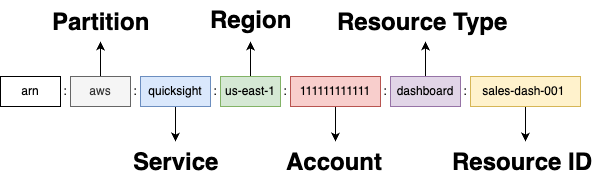
AWS Machine Learning published a technical guide detailing the structure of "Amazon Quick ARNs" and providing a practical model for managing them. The post clarifies how resource names function across cloud environments, helping technical teams analyze ARN formats directly. This structural clarity allows developers to evaluate cross-account migration strategies with accurate insights into resource mapping.
The publication also highlights methods for addressing authorization challenges and namespace permissions. By learning to decode ARN components quickly, developers can accelerate troubleshooting when permission errors arise. These concepts offer valuable knowledge for cloud practitioners designing secure multi-tenant architectures.
AWS Machine Learning outlined a practical framework for interpreting the structure of Amazon Quick ARNs. Understanding these resource names helps developers evaluate cross-account migration strategies effectively. The post assists technical teams in diagnosing namespace permission issues more rapidly.
For more details please read the original article at AWS Machine Learning.
Continue Learning
Comments
Comments appear only after moderation. Your email identifies your submission to the moderator and is never displayed here.
No approved comments yet.