Anthropic's Dario Amodei wants governments to have the power to block 'dangerous' AI systems
Anthropic CEO Dario Amodei called on the U.S. government to be able to block the deployment of dangerous AI models, comparing the approach to how unsafe airplanes are kept from flying. In a post on his personal blog, he proposed mandatory third-party audits of frontier AI systems and government power to shut them down if unacceptable risks are found. His proposal goes further than President Trump's June 2 executive order, which encouraged voluntary model sharing.
Key Takeaways
- SiliconANGLE UPDATED 21:58 EDT / JUNE 10 2026 AI Anthropic's Dario Amodei wants governments to have the power to block 'dangerous' AI systems by Mike Wheatley SHARE Anthropic PBC Chief Executive Dario Amodei is calling on the U.S. government to block the deployment of dangerous artificial intelligence models in the same way as it prevents unsafe airplanes from taking off.
In a new post today on his personal blog , Amodei (pictured) said there need to be mandatory third-party audits of frontier AI systems, and suggested that governments be able to shut them down if any unacceptable risks are discovered.
- He proposed there should be a "compute threshold," and that if any new model exceeds this specified level of compute, it would automatically trigger an independent investigation into its capabilities before it can be launched publicly.
The essay identified four specific risk categories that need to be evaluated: cybersecurity vulnerabilities, biological weapons capabilities, the ability to accelerate automated research in dangerous domains, and the potential for models to grow beyond human control.
- The President simply encouraged AI firms to share their models voluntarily with government auditors a month before their public release.
The order also emphasized how the intelligence community should be involved in testing new models for cybersecurity vulnerabilities.
- Anthropic has been pushing for more stringent controls on AI for a while.
Back in September 2023, it published a Responsible Scaling Policy that has since been updated several times, introducing concepts such as AI Safety Levels or ASLs.
- "The call for regulation gives off the foul taste of a market leader that wants to freeze the market, and preserve its position at the top," Mueller said.
Stats & Key Facts
- #SiliconANGLE UPDATED 21:58 EDT / JUNE 10 2026 AI Anthropic's Dario Amodei wants governments to have the power to block 'dangerous' AI systems by Mike Wheatley SHARE Anthropic PBC Chief Executive Dario Amodei is calling on the U.S. government to block the deployment of dangerous artificial intelligence models in the same way as it prevents unsafe airplanes from taking off.
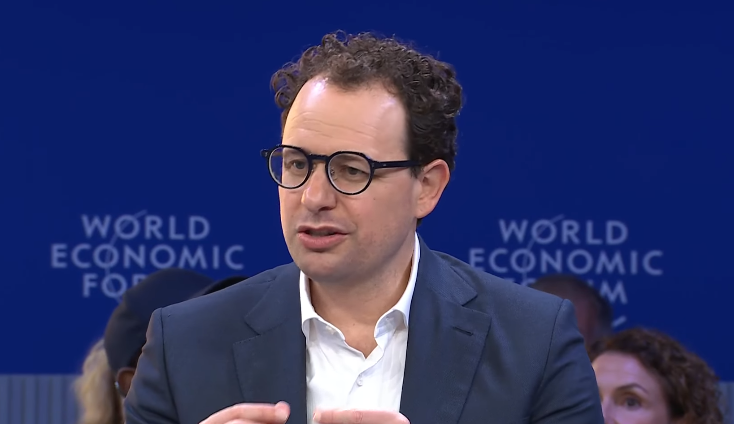
SiliconANGLE UPDATED 21:58 EDT / JUNE 10 2026 AI Anthropic's Dario Amodei wants governments to have the power to block 'dangerous' AI systems by Mike Wheatley SHARE Anthropic PBC Chief Executive Dario Amodei is calling on the U.S. government to block the deployment of dangerous artificial intelligence models in the same way as it prevents unsafe airplanes from taking off. In a new post today on his personal blog , Amodei (pictured) said there need to be mandatory third-party audits of frontier AI systems, and suggested that governments be able to shut them down if any unacceptable risks are discovered. At the same time, he called on the government to provide more economic support to people who are financially hurt by the rise of AI.
Amodei's AI safety proposal is far more aggressive than what most people have suggested. It exceeds the executive order issued by U.S. President Donald Trump last week, which mandates that intelligence agencies play a role in testing new models for risks. He suggested that governments should audit new AI models based on the amount of resources thrown into their training process.
He proposed there should be a "compute threshold," and that if any new model exceeds this specified level of compute, it would automatically trigger an independent investigation into its capabilities before it can be launched publicly. The essay identified four specific risk categories that need to be evaluated: cybersecurity vulnerabilities, biological weapons capabilities, the ability to accelerate automated research in dangerous domains, and the potential for models to grow beyond human control. Should the auditors decide that a model poses an unacceptable risk in one of those areas, Amodei wants governments to be able to prevent their deployment.
For more details please read the original article at SiliconANGLE AI.
Continue Learning
Comments
Comments appear only after moderation. Your email identifies your submission to the moderator and is never displayed here.
No approved comments yet.