Automated governance is FinOps' next frontier as AI spend spreads beyond engineering
As AI tools put spending power into the hands of sales, finance and executive teams, cloud cost control is no longer just an engineering problem. At FinOps X 2026, Kion senior product manager Tatum Tummins told theCUBE that automated governance is FinOps' next frontier. He argued that organizations need real, policy-driven controls over AI spend, not just dashboards, using soft caps and human-in-the-loop approval workflows to keep innovation from becoming financial liability.
Key Takeaways
- Learn how automated governance sets flexible cloud guardrails, builds secure sandbox environments and monitors real-time enterprise AI token metrics.
UPDATED 18:19 EDT / JUNE 10 2026 AI Kion ties automated governance to FinOps' next phase as AI spend spreads by Kelly Knight SHARE Artificial intelligence is creating a new class of cloud cost challenge - one that no longer belongs exclusively to engineering teams.
- "You've got to figure out a way to get visibility into everything.
That's what kind of catapults everything off of that: optimization, governance, [etc]."
- "You've got to let folks have a playground but put a fence around the playground," he said.
"The folks that start to think about those guardrails and governance now are the folks that are not going to get so jaded that they tell everybody to put down their AI tokens - because this happened in the cloud."
- Or do I want to actually talk about what we've done here?
- I think that's where the need is going to be."
Stats & Key Facts
- #The FinOps Foundation's "State of FinOps 2026 Report" found that 98% of practitioners now manage AI spend, yet most organizations still lack the guardrails to control it at scale.
Learn how automated governance sets flexible cloud guardrails, builds secure sandbox environments and monitors real-time enterprise AI token metrics. UPDATED 18:19 EDT / JUNE 10 2026 AI Kion ties automated governance to FinOps' next phase as AI spend spreads by Kelly Knight SHARE Artificial intelligence is creating a new class of cloud cost challenge - one that no longer belongs exclusively to engineering teams. As AI tools put spend capabilities into the hands of sales, finance and executive teams, the need for automated governance has become as urgent as the innovation it is meant to protect.
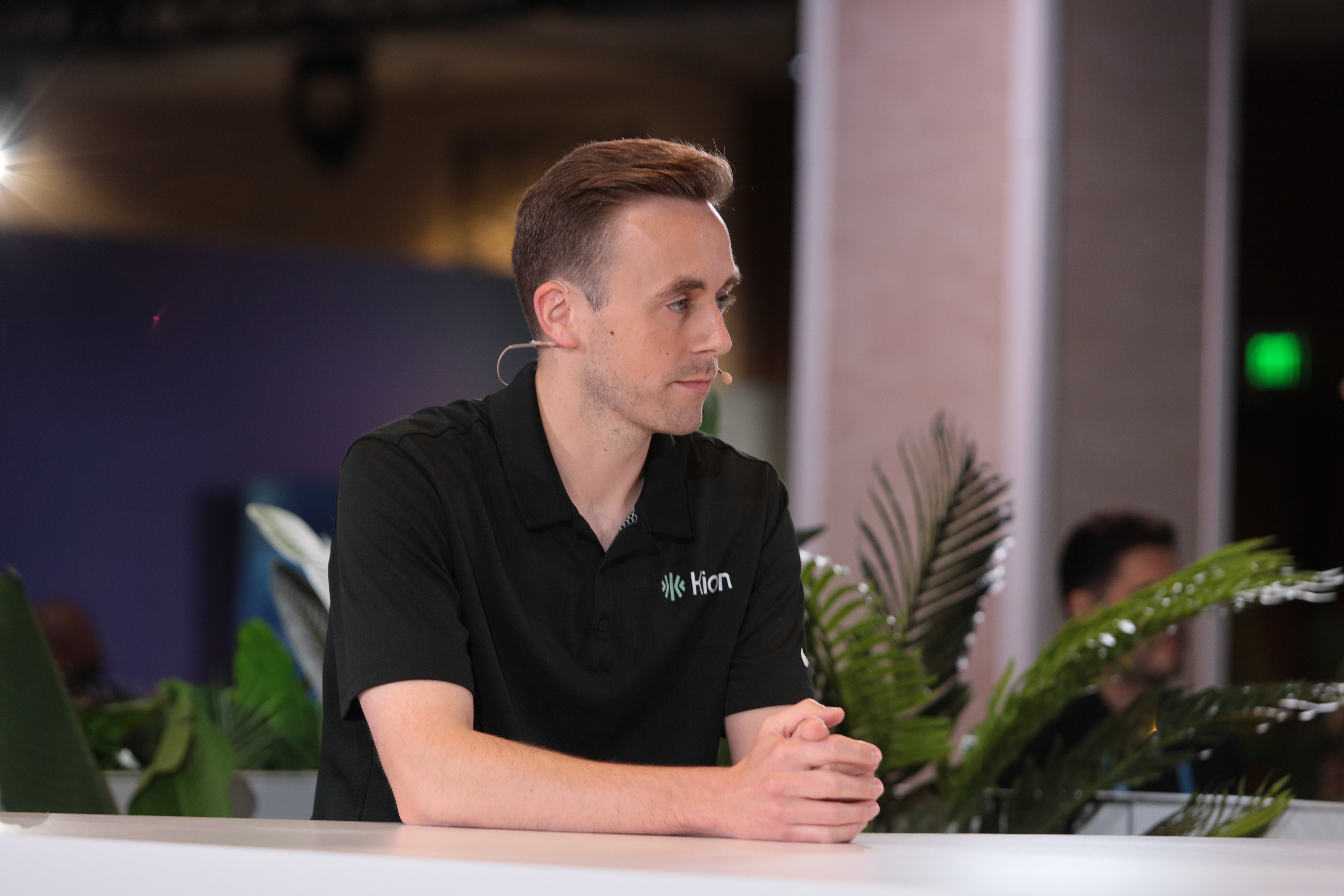
The FinOps Foundation's "State of FinOps 2026 Report" found that 98% of practitioners now manage AI spend, yet most organizations still lack the guardrails to control it at scale. That tension - between enabling experimentation and containing runaway costs - is where Kion FinOps+ from Nor Labs Inc. is positioning itself, according to Tatum Tummins (pictured), senior product manager at Kion. "If I don't have visibility into every dollar in my technology organization, that's priority one," he said.
"You've got to figure out a way to get visibility into everything. That's what kind of catapults everything off of that: optimization, governance, [etc]." Tummins spoke with theCUBE's John Furrier and Paul Nashawaty at FinOps X 2026 , during an exclusive broadcast on theCUBE, SiliconANGLE Media's livestreaming studio.
For more details please read the original article at SiliconANGLE AI.
Continue Learning
Comments
Comments appear only after moderation. Your email identifies your submission to the moderator and is never displayed here.
No approved comments yet.