Bank of England governor warns of AI-related financial system risks
Bank of England governor Andrew Bailey has warned international leaders that advanced artificial intelligence poses threats to the global financial system. In a letter to G20 officials, he cited vulnerabilities in market valuations as well as potential cyberattacks driven by frontier large language models. The warning emphasizes the need for rapid patching and stronger cybersecurity defenses across interconnected financial institutions.
Key Takeaways
- In a letter delivered ahead of a G20 meeting in Asheville, North Carolina, Financial Stability Board chair Andrew Bailey outlined key vulnerabilities created by artificial intelligence.
He warned that financial markets face risks from stretched asset valuations in the AI industry and circular investment structures financed by debt between AI firms and hyperscalers.
- Additionally, Bailey highlighted how widespread reliance on the same third-party technology providers means a single breach could disrupt multiple interconnected institutions simultaneously.
To address these risks, the letter advises financial institutions to accelerate their vulnerability patching processes and build strategies to recover systems from bare metal after severe disruptions.
- While advanced AI tools can speed up software exploitation, they also offer opportunities to improve defensive security.
A separate public warning signed by over 100 companies similarly urged organizations to adopt AI-powered defense tools to counter expected increases in model-driven cyber threats.
- Andrew Bailey issued a warning to G20 finance ministers regarding AI risks facing global financial infrastructure.
The Financial Stability Board chair highlighted stretched asset valuations in AI and debt involved in circular investments.
- Recommendations include preparing workflows to restore critical data and systems from bare metal after major cyber incidents.
Stats & Key Facts
- #A separate public warning signed by over 100 companies similarly urged organizations to adopt AI-powered defense tools to counter expected increases in model-driven cyber threats.
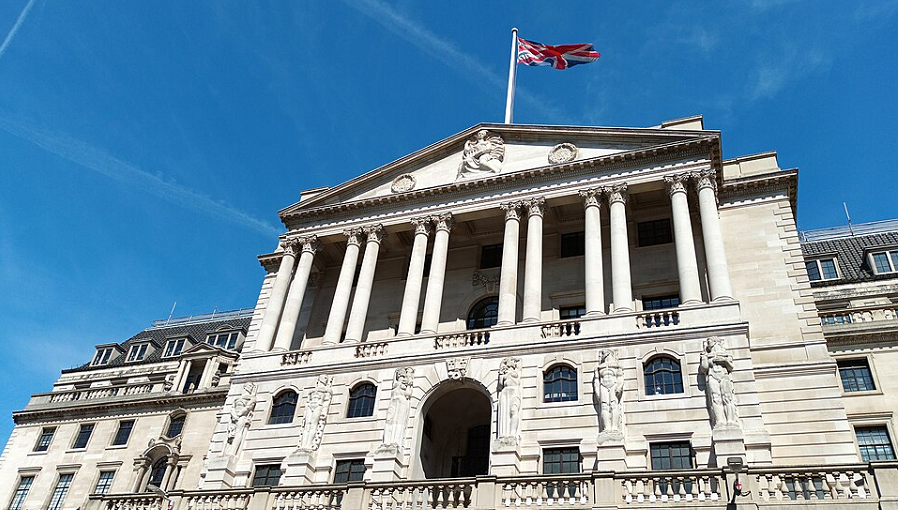
In a letter delivered ahead of a G20 meeting in Asheville, North Carolina, Financial Stability Board chair Andrew Bailey outlined key vulnerabilities created by artificial intelligence. He warned that financial markets face risks from stretched asset valuations in the AI industry and circular investment structures financed by debt between AI firms and hyperscalers. Additionally, Bailey highlighted how widespread reliance on the same third-party technology providers means a single breach could disrupt multiple interconnected institutions simultaneously.
To address these risks, the letter advises financial institutions to accelerate their vulnerability patching processes and build strategies to recover systems from bare metal after severe disruptions. While advanced AI tools can speed up software exploitation, they also offer opportunities to improve defensive security. A separate public warning signed by over 100 companies similarly urged organizations to adopt AI-powered defense tools to counter expected increases in model-driven cyber threats.
Andrew Bailey issued a warning to G20 finance ministers regarding AI risks facing global financial infrastructure. The Financial Stability Board chair highlighted stretched asset valuations in AI and debt involved in circular investments. Frontier large language models increase cyber risks due to shared third-party technology providers across financial firms.
For more details please read the original article at SiliconANGLE AI.
Continue Learning
Comments
Comments appear only after moderation. Your email identifies your submission to the moderator and is never displayed here.
No approved comments yet.