Best practices for multi-turn reinforcement learning in Amazon SageMaker AI
AWS Machine Learning published guidance detailing recommended techniques for conducting dependable multi-turn reinforcement learning training within Amazon SageMaker AI. The publication outlines methods for establishing dependable training environments, evaluating models externally, and aligning rewards with primary objectives. It also offers strategies for managing behavioral changes over multiple steps and tracking essential metrics during iteration.
Key Takeaways
- AWS Machine Learning has outlined best practices aimed at establishing reliable multi-turn reinforcement learning workflows using Amazon SageMaker AI.
The guidance emphasizes creating dependable training environments alongside robust external evaluation mechanisms to ensure models perform correctly over sequential interactions.
- Additionally, it highlights the importance of crafting reward functions that closely match the ultimate goal of the underlying task.
The post further addresses the operational shifts that occur once an agent runs across multiple interactions, providing methods to manage those changes.
- It advises developers to track specific metrics to determine the exact timing for further iterations.
These technical strategies help practitioners build stable reinforcement learning pipelines within cloud platform environments.
- AWS Machine Learning released recommended practices for conducting multi-turn reinforcement learning training using Amazon SageMaker AI.
The recommendations cover building trustworthy training environments and configuring external evaluations to measure model performance accurately.
- Developers are guided on designing task-aligned reward structures and tracking relevant metrics to guide model iterations.
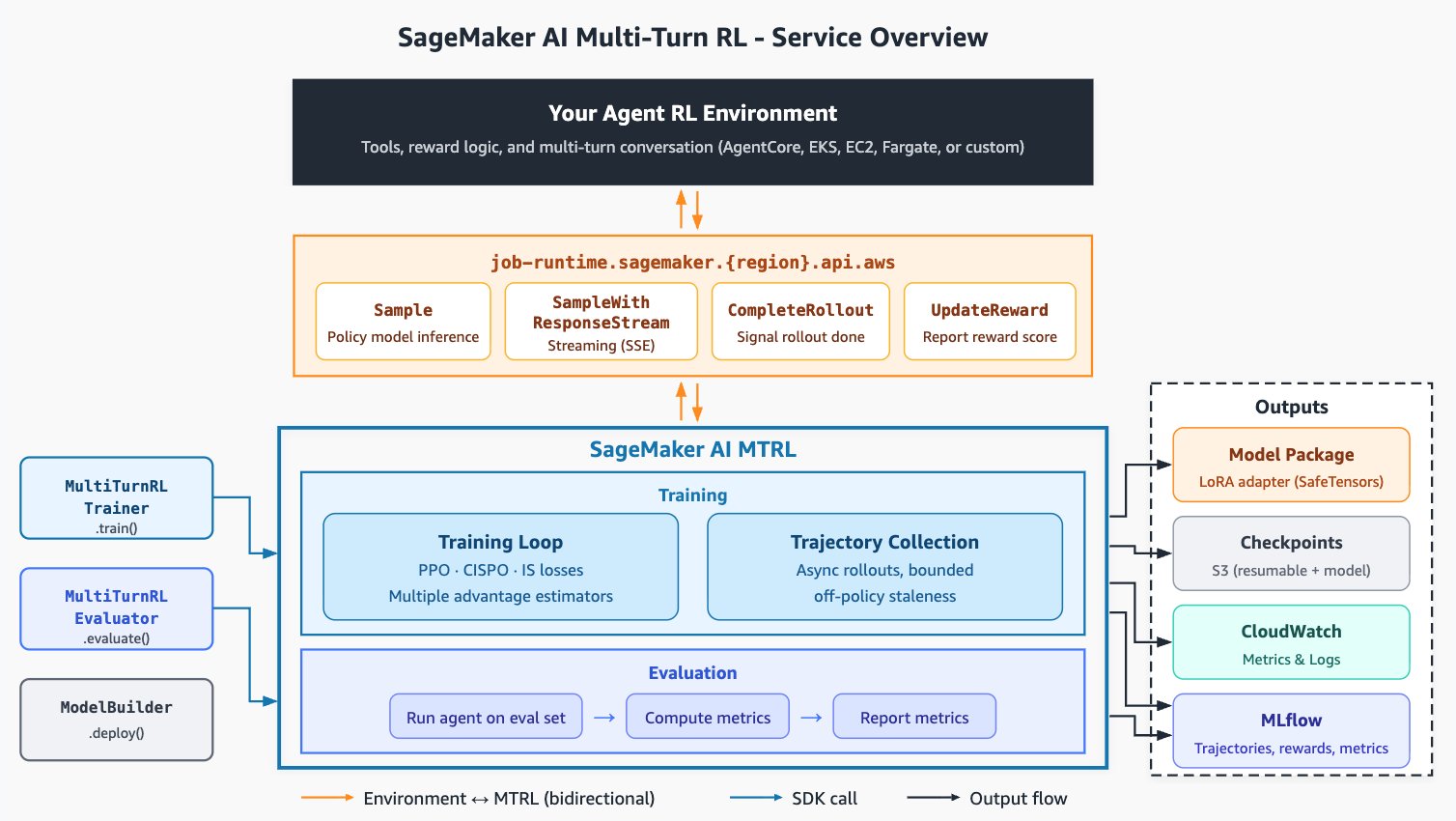
AWS Machine Learning has outlined best practices aimed at establishing reliable multi-turn reinforcement learning workflows using Amazon SageMaker AI. The guidance emphasizes creating dependable training environments alongside robust external evaluation mechanisms to ensure models perform correctly over sequential interactions. Additionally, it highlights the importance of crafting reward functions that closely match the ultimate goal of the underlying task.
The post further addresses the operational shifts that occur once an agent runs across multiple interactions, providing methods to manage those changes. It advises developers to track specific metrics to determine the exact timing for further iterations. These technical strategies help practitioners build stable reinforcement learning pipelines within cloud platform environments.
AWS Machine Learning released recommended practices for conducting multi-turn reinforcement learning training using Amazon SageMaker AI. The recommendations cover building trustworthy training environments and configuring external evaluations to measure model performance accurately. Developers are guided on designing task-aligned reward structures and tracking relevant metrics to guide model iterations.
For more details please read the original article at AWS Machine Learning.
Continue Learning
Comments
Comments appear only after moderation. Your email identifies your submission to the moderator and is never displayed here.
No approved comments yet.