Closing The Series A Gap Is The Next Great Opportunity For Black Founders In The AI Era
While 2026 has shown encouraging signs, with Black-founded startups raising approximately $643 million by late May, the strongest quarter since mid-2022, the improvement was driven largely by a handful of unusually large financings. James Norman and Sean Green, co-founders of Black Operator Ventures share their thoughts on how Black founders can close the Series A gap. Guest Author By James Norman and Sean Green In 2026, conversations about Black founders and venture capital have focused on access to funding .
Key Takeaways
- But as AI reshapes startup economics, the bigger challenge is no longer simply getting a first check, it's raising enough capital at the seed stage to successfully reach Series A.
AI has fundamentally lowered the cost of building software companies.
- AI is making seed capital more valuable, not less One of the biggest misconceptions about AI is that startups simply need less money.
- Those milestones require time, execution and sufficient capital.
The startups that reach them are increasingly those that raised enough capital early to stay focused on customers instead of constantly fundraising.
- Across the broader ecosystem, Black founders remain significantly underrepresented in venture funding.
- Black founders who raise only enough money to survive often find themselves trapped in a cycle of continuous fundraising.
Stats & Key Facts
- #While 2026 has shown encouraging signs, with Black-founded startups raising approximately $643 million by late May, the strongest quarter since mid-2022, the improvement was driven largely by a handful of unusually large financings.
- #While 2026 has shown encouraging signs, with Black-founded startups raising approximately $643 million by late May, the strongest quarter since mid-2022, the improvement was driven largely by a handful of unusually large financings.
- #Guest Author By James Norman and Sean Green In 2026, conversations about Black founders and venture capital have focused on access to funding .
- #Founders can launch products faster, automate operations and accomplish with five employees what once required teams of 30.
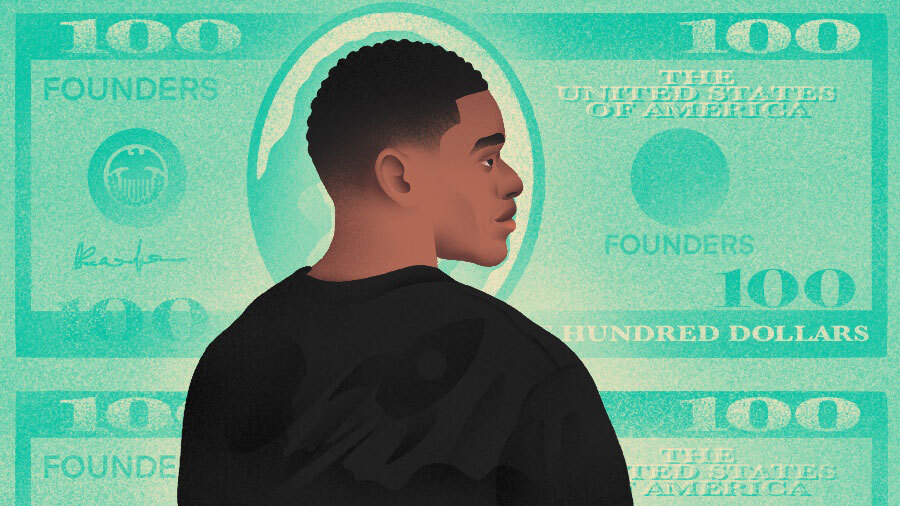
But as AI reshapes startup economics, the bigger challenge is no longer simply getting a first check, it's raising enough capital at the seed stage to successfully reach Series A. AI has fundamentally lowered the cost of building software companies. Founders can launch products faster, automate operations and accomplish with five employees what once required teams of 30.
Yet while AI has reduced the cost of building a startup, it has not reduced the cost of scaling one. Companies still need resources to acquire customers, hire experienced talent, invest in go-to-market strategies, and generate the revenue and growth metrics institutional investors expect before leading a Series A round. For Black founders, who continue to receive a disproportionately small share of venture capital, the inability to secure fully funded seed rounds has become one of the greatest barriers to building venture-scale companies.
AI is making seed capital more valuable, not less One of the biggest misconceptions about AI is that startups simply need less money. In reality, AI has shifted when capital matters most. Because startups can now build products more efficiently, investors are increasingly rewarding founders who demonstrate real traction instead of polished ideas.
For more details please read the original article at Crunchbase News.
Continue Learning
Comments
Comments appear only after moderation. Your email identifies your submission to the moderator and is never displayed here.
No approved comments yet.