Data modeling best practices for Amazon Quick Sight multi-dataset relationships
AWS Machine Learning has introduced Multi-Dataset Relationships for Amazon Quick Sight to streamline data modeling. This feature permits users to establish logical connections across separate datasets and execute joins during query execution. Rather than combining data beforehand, individual tables remain distinct while their interactions are configured within a Quick Sight Topic.
Key Takeaways
- Amazon Quick Sight has launched a feature named Multi-Dataset Relationships to enhance how data tables interact.
Under this new functionality, users no longer need to flatten their data sources prior to analysis.
- Instead, individual tables remain isolated as standalone datasets, allowing teams to maintain cleaner data architectures.
By defining logical connections within a Quick Sight Topic, the system carries out runtime joins at query time.
- This dynamic approach provides greater flexibility when querying complex data structures across multiple datasets.
For those building machine learning pipelines, maintaining modular data structures reduces pre-processing overhead and simplifies reporting workflows.
- Amazon Quick Sight now supports Multi-Dataset Relationships to connect separate data tables dynamically.
System users can conduct runtime joins during queries instead of preparing flattened tables in advance.
- Logical interactions between distinct datasets are declared directly inside a Quick Sight Topic.
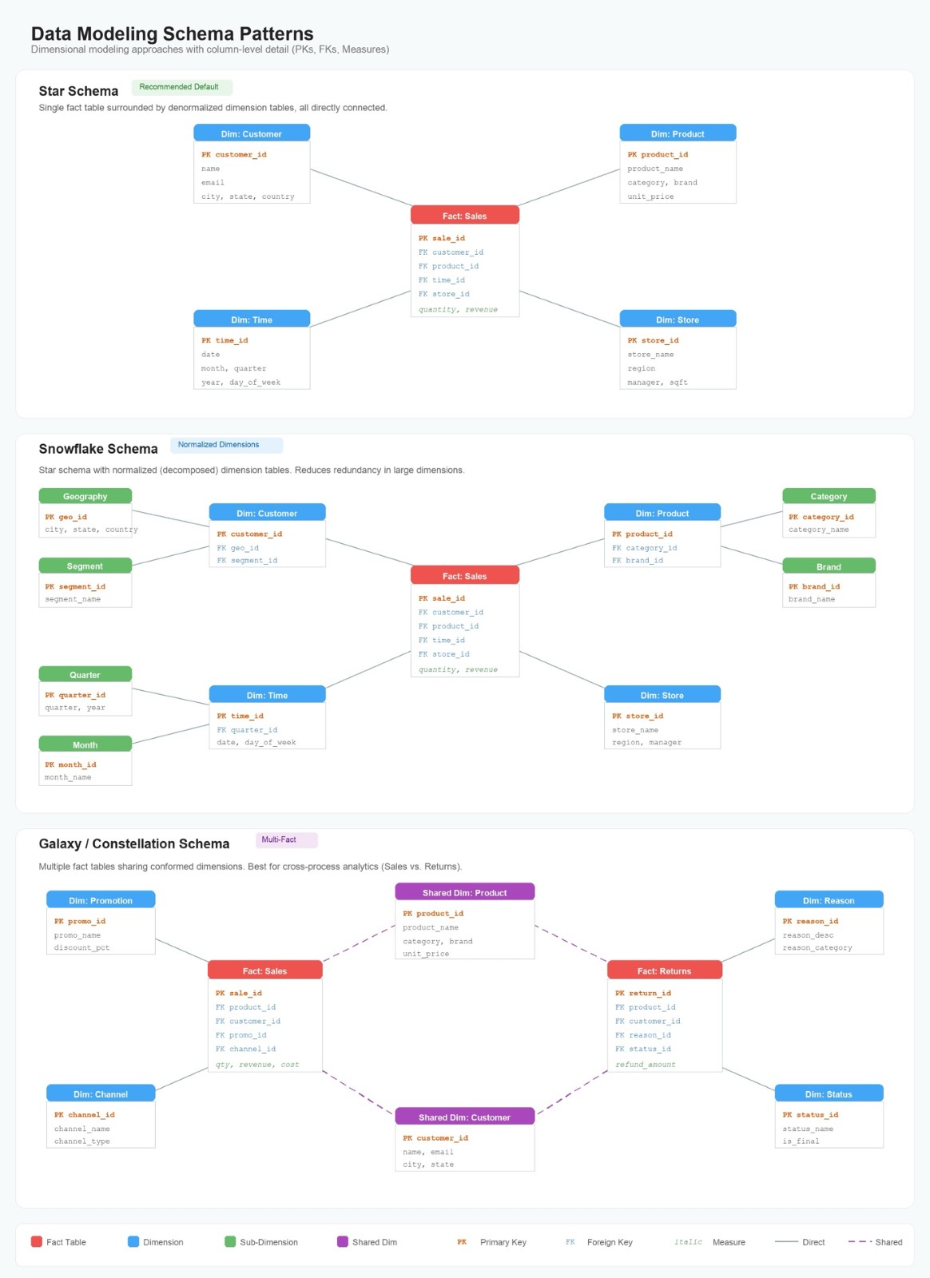
Amazon Quick Sight has launched a feature named Multi-Dataset Relationships to enhance how data tables interact. Under this new functionality, users no longer need to flatten their data sources prior to analysis. Instead, individual tables remain isolated as standalone datasets, allowing teams to maintain cleaner data architectures.
By defining logical connections within a Quick Sight Topic, the system carries out runtime joins at query time. This dynamic approach provides greater flexibility when querying complex data structures across multiple datasets. For those building machine learning pipelines, maintaining modular data structures reduces pre-processing overhead and simplifies reporting workflows.
Amazon Quick Sight now supports Multi-Dataset Relationships to connect separate data tables dynamically. System users can conduct runtime joins during queries instead of preparing flattened tables in advance. Logical interactions between distinct datasets are declared directly inside a Quick Sight Topic.
For more details please read the original article at AWS Machine Learning.
Continue Learning
Comments
Comments appear only after moderation. Your email identifies your submission to the moderator and is never displayed here.
No approved comments yet.