Datadog sees tagging and model governance as the foundation of AI cost management
Datadog's senior FinOps analyst Deeja Cruz argues that strong tagging, model selection governance and cross-team collaboration are the foundations of effective AI cost management. Speaking with theCUBE at FinOps X 2026, Cruz says AI cost management brings new taxonomy to FinOps but the core discipline of understanding what you use, why and what it costs stays the same. She shares a practical example of practitioner-led AI use and describes how AI spend ownership emerged at Datadog through collaboration between FinOps and an internal AI developer experience team.
Key Takeaways
- Datadog's Deeja Cruz says strong tagging, model selection governance and cross-team collaboration are the foundations of effective AI cost management.
- "Having good tagging on your data will unlock your ability to allocate it and be able to answer questions that executives are asking."
Cruz spoke with theCUBE's John Furrier and Paul Nashawaty , principal analyst at theCUBE Research, at FinOps X 2026, during an exclusive broadcast on theCUBE, SiliconANGLE Media's livestreaming studio.
- "I would encourage all FinOps practitioners to get really comfortable with these tools," Cruz said.
"Take your domain expertise, and use these tools to deliver value for the organization faster."
- "Figuring out who owns what, who's the lead on a particular effort and who's the support," she said.
(* Disclosure: TheCUBE is a paid media partner for the FinOps X event.
- About SiliconANGLE Media SiliconANGLE Media is a recognized leader in digital media innovation, uniting breakthrough technology, strategic insights and real-time audience engagement.
Stats & Key Facts
- #UPDATED 19:36 EDT / JUNE 11 2026 AI Datadog sees tagging and model governance as the foundation of AI cost management by Thomas Godwin SHARE AI cost management is bringing a new taxonomy to FinOps practitioners, but the core discipline - understanding what you're using, why, and what it costs - remains the same.
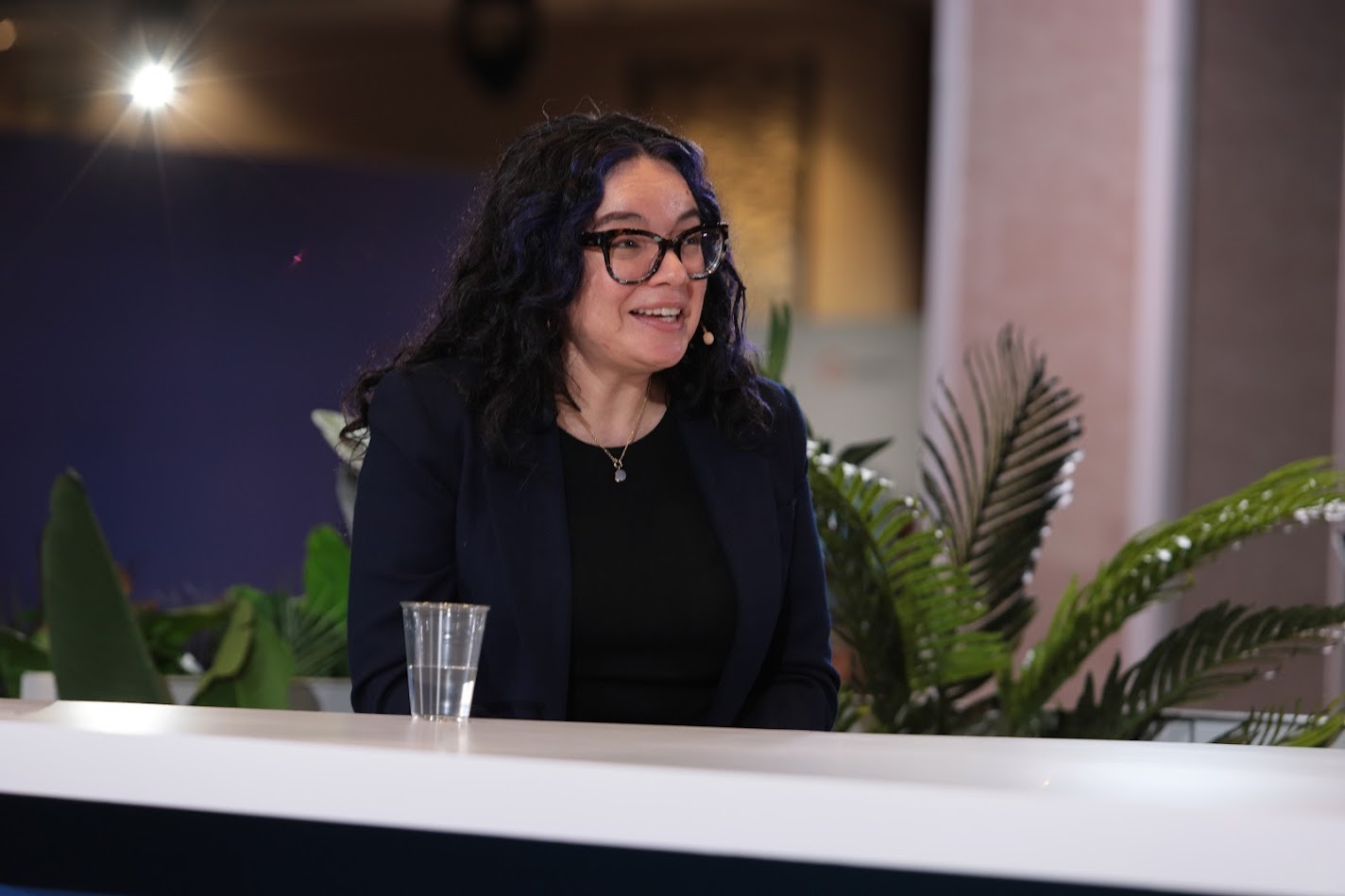
Datadog's Deeja Cruz says strong tagging, model selection governance and cross-team collaboration are the foundations of effective AI cost management. UPDATED 19:36 EDT / JUNE 11 2026 AI Datadog sees tagging and model governance as the foundation of AI cost management by Thomas Godwin SHARE AI cost management is bringing a new taxonomy to FinOps practitioners, but the core discipline - understanding what you're using, why, and what it costs - remains the same. That constancy is reassuring and instructive, according to Deeja Cruz (pictured), senior FinOps analyst at Datadog Inc. The biggest practical lesson enterprises can carry from cloud to AI is to maintain high-quality attribution tags.
Without them, the ability to allocate spend and identify optimization opportunities collapses, regardless of how sophisticated the AI workload is. "The biggest takeaway I can give is, 'Don't neglect your tags,'" Cruz said. "Having good tagging on your data will unlock your ability to allocate it and be able to answer questions that executives are asking."
Cruz spoke with theCUBE's John Furrier and Paul Nashawaty , principal analyst at theCUBE Research, at FinOps X 2026, during an exclusive broadcast on theCUBE, SiliconANGLE Media's livestreaming studio. They discussed how AI cost management is developing the FinOps role and how collaboration across engineering, finance and security looks in practice. AI cost management demands model governance and cross-team ownership Cruz described a concrete example of AI-assisted FinOps in action.
For more details please read the original article at SiliconANGLE AI.
Continue Learning
Comments
Comments appear only after moderation. Your email identifies your submission to the moderator and is never displayed here.
No approved comments yet.