Eco Wave Power Turns Waves Into Watts With NVIDIA AI Infrastructure and Digital Twins
Eco Wave Power is leveraging NVIDIA AI infrastructure and digital twin technology to convert ocean waves into electrical energy more efficiently. The company's approach combines accelerated computing with real-time wave modeling to optimize renewable energy production, addressing the massive electricity demands created by AI's explosive growth worldwide.
Key Takeaways
- Global electricity demand is surging due to AI scaling across compute, edge computing, robotics, and autonomous systems, making renewable energy innovation critical
- Eco Wave Power uses NVIDIA AI infrastructure to power digital twins that model and optimize wave-to-energy conversion in real-time
- Wave energy represents an underutilized renewable resource with high energy density compared to solar and wind alternatives
- Digital twin technology enables predictive maintenance and performance optimization without physical prototyping costs
- The convergence of AI computing demands and renewable energy solutions is creating new opportunities for sustainable power generation
Stats & Key Facts
- #Global electricity demand is rising at unprecedented speed due to accelerated computing scaling
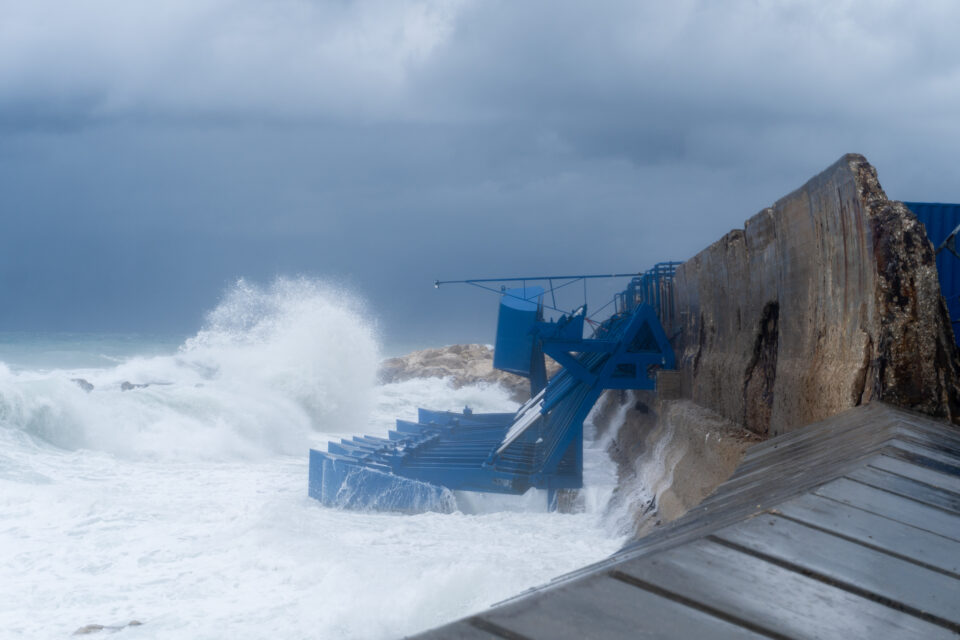
The Energy Crisis Driving AI Innovation
As artificial intelligence systems expand globally, the power requirements supporting them have become unsustainable with traditional energy sources.
- ›Accelerated computing is scaling across AI factories, agentic AI systems, industrial applications, and edge computing environments
- ›Physical AI including robotics and autonomous systems are multiplying electricity consumption demands
- ›Many regions face challenges expanding their electrical grids fast enough to meet these new power requirements
- ›The industry recognizes that AI's next era will be defined not by computing capability alone but by available energy resources
The explosive growth of artificial intelligence has created an unprecedented global energy challenge. Data centers, training facilities, and distributed AI systems consume vast amounts of electricity, straining power grids worldwide. Traditional energy sources cannot keep pace with demand, forcing the industry to look toward renewable alternatives with greater urgency. This energy crisis has become a limiting factor for AI expansion itself, making sustainable power generation not just environmentally necessary but economically essential.
Wave Energy as a Renewable Frontier
Ocean waves represent one of the most energy-dense renewable resources available, yet remain significantly underdeveloped compared to solar and wind.
- ›Wave energy has higher energy density than solar or wind power per unit area of capture
- ›Ocean waves are predictable and consistent, making them ideal for reliable power generation
- ›Coastal regions with high wave activity represent substantial untapped renewable energy potential
- ›Wave energy technology remains in earlier development stages compared to established solar and wind industries
Waves are generated by wind traveling across ocean surfaces, storing tremendous amounts of kinetic and potential energy. This makes ocean wave power one of the most concentrated forms of renewable energy available. Unlike solar power, which depends on time of day and weather conditions, or wind that varies seasonally, waves maintain relatively consistent patterns that can be predicted and modeled. For coastal nations and island communities, wave energy offers a practical pathway to energy independence without the land requirements of solar farms or wind installations.
The challenge has always been converting this raw ocean energy into electricity efficiently and reliably. Traditional wave energy converters required expensive prototyping, testing, and iterative design cycles. This high barrier to entry limited innovation and slowed commercialization of wave energy technology relative to other renewable sources.
Digital Twins Transform Wave Energy Optimization
Digital twin technology creates virtual replicas of physical systems that can be tested and optimized without building costly prototypes.
- ›Digital twins simulate real-world wave conditions and device performance in virtual environments
- ›NVIDIA AI infrastructure powers the computational modeling required for accurate simulations
- ›Optimization algorithms can test thousands of design variations rapidly within digital environments
- ›Real-time data from deployed systems feeds back into twins for continuous improvement and predictive maintenance
A digital twin is a virtual representation of a physical object or system that mirrors its real-world behavior. For wave energy converters, digital twins simulate how devices interact with ocean waves under various conditions. Engineers can modify designs, test performance metrics, and predict failures all within the computer before any physical construction occurs. This approach dramatically reduces development time and cost while improving design reliability.
By integrating NVIDIA's accelerated computing infrastructure, Eco Wave Power can run increasingly complex simulations at speed. AI models can process oceanographic data, simulate wave interactions with converter devices, predict energy output, and identify optimization opportunities. Machine learning algorithms learn from historical performance data to improve predictions and identify patterns humans might miss. This computational approach transforms wave energy development from a slow, expensive process into an agile, data-driven engineering challenge.
NVIDIA AI Infrastructure as an Enabler
NVIDIA's specialized processors and software stack provide the computational backbone required for real-time digital twin operation at scale.
- ›GPU acceleration enables rapid numerical simulations of wave dynamics and device performance
- ›NVIDIA's software ecosystem includes tools optimized for scientific computing and machine learning applications
- ›Distributed computing capabilities allow modeling of larger systems and longer time horizons
- ›Edge computing compatibility extends AI capabilities to deployed wave energy devices themselves
NVIDIA's graphics processing units and specialized AI processors excel at parallel computations required for physics simulations. Wave modeling involves solving complex differential equations across thousands of grid points simultaneously-exactly the type of problem GPUs were designed to solve. By leveraging this specialized hardware, Eco Wave Power can run simulations in minutes that might require days on traditional CPU systems.
Beyond raw compute speed, NVIDIA provides software frameworks and libraries that make developing AI applications faster and more reliable. Tools like CUDA, cuDNN, and various machine learning frameworks are optimized for NVIDIA hardware, enabling developers to focus on the physics and engineering rather than low-level optimization. This ecosystem approach multiplies the effectiveness of hardware advantages.
Real-Time Optimization and Deployment
The true power of this technology emerges when digital twins transition from design tools to real-time operational systems.
- ›Deployed wave energy devices transmit operational data continuously to cloud-based digital twins
- ›AI systems analyze this data to predict optimal positioning, tuning, and maintenance needs
- ›Real-time adjustments can be made to device operations to maximize power output for current wave conditions
- ›Predictive maintenance capabilities reduce downtime and extend equipment lifespan
Once a wave energy converter is deployed in the ocean, it becomes a sensor and actuator providing continuous feedback. Accelerometers, pressure sensors, and power output measurements stream data back to digital twin systems that model its performance moment by moment. Machine learning models trained on historical data and physics simulations can predict what adjustments will optimize energy capture for current and upcoming wave conditions.
This closed-loop optimization process continuously improves system performance throughout the device's lifetime. Rather than being static after deployment, wave energy converters become increasingly intelligent and efficient as operational data accumulates. The digital twin learns from actual performance, refining its models and recommendations. Maintenance can be scheduled proactively based on predicted failures rather than reactive breakdowns, reducing costly downtime.
Scaling Renewable Energy for AI Demands
The partnership between advanced computing and wave energy addresses a fundamental bottleneck limiting global AI expansion.
- ›Multiple wave energy installations coordinated through AI systems can provide baseload renewable power
- ›Coastal data centers can be powered directly by nearby wave energy farms, reducing transmission losses
- ›The scalability of digital twin technology allows rapid deployment of optimized wave energy across different coastal regions
- ›Distributed renewable energy reduces dependence on traditional centralized power plants and long-distance transmission
The energy demands of AI infrastructure are not temporary-they will continue growing as applications expand across industries. Rather than viewing this as merely a problem, the technology sector increasingly recognizes it as an opportunity to drive innovation in renewable energy. Wave power, enhanced by AI optimization, can contribute meaningfully to global electricity supply while remaining sustainable.
By combining Eco Wave Power's specialized knowledge of wave energy with NVIDIA's computational leadership, the collaboration demonstrates how different technological domains can solve fundamental challenges together. The same AI and computing infrastructure that powers language models and autonomous vehicles can also optimize ocean energy conversion. This integration points toward a future where AI infrastructure and renewable energy are inextricably linked-each enabling the other's growth.
Frequently Asked Questions
Why is wave energy better than solar or wind for powering AI data centers?
Wave energy has higher energy density per unit area and is more consistent and predictable than solar or wind. Unlike solar, which depends on time of day, or wind, which varies seasonally, ocean waves maintain relatively stable patterns, making them ideal for reliable baseload power generation required by continuous AI operations.
How do digital twins improve wave energy converter design?
Digital twins create virtual replicas where engineers can simulate thousands of design variations, test performance under different wave conditions, and predict failures-all without building expensive physical prototypes. This dramatically reduces development time, costs, and risk while improving the final design quality.
Can wave energy converters operate without AI or digital twins?
Technically yes, but much less efficiently. Without digital twin optimization and real-time AI analysis, converters would operate with fixed designs and settings. AI enables continuous performance optimization, predictive maintenance, and adaptation to changing ocean conditions-dramatically improving lifetime energy output and reliability.
How does NVIDIA's infrastructure specifically help Eco Wave Power?
NVIDIA's GPU processors and software frameworks enable fast, parallel computation of complex wave physics simulations and machine learning model training. This allows Eco Wave Power to run sophisticated digital twins in real-time and deploy AI-driven optimization on deployed devices, which would be impossible on traditional computing systems.
Could this wave energy approach be deployed at scale globally?
Yes, any coastal region with consistent wave activity can deploy optimized wave energy converters. The digital twin technology and AI optimization approach scale across different geographic locations, allowing rapid deployment as the technology matures and proves commercially viable.
The convergence of AI computing demands with renewable energy innovation represents a turning point where technology's greatest challenge becomes catalyst for sustainable solutions.
Continue Learning
Comments
Sign in to join the conversation