FinOps adapts to AI spend as token economics reshape enterprise budgets
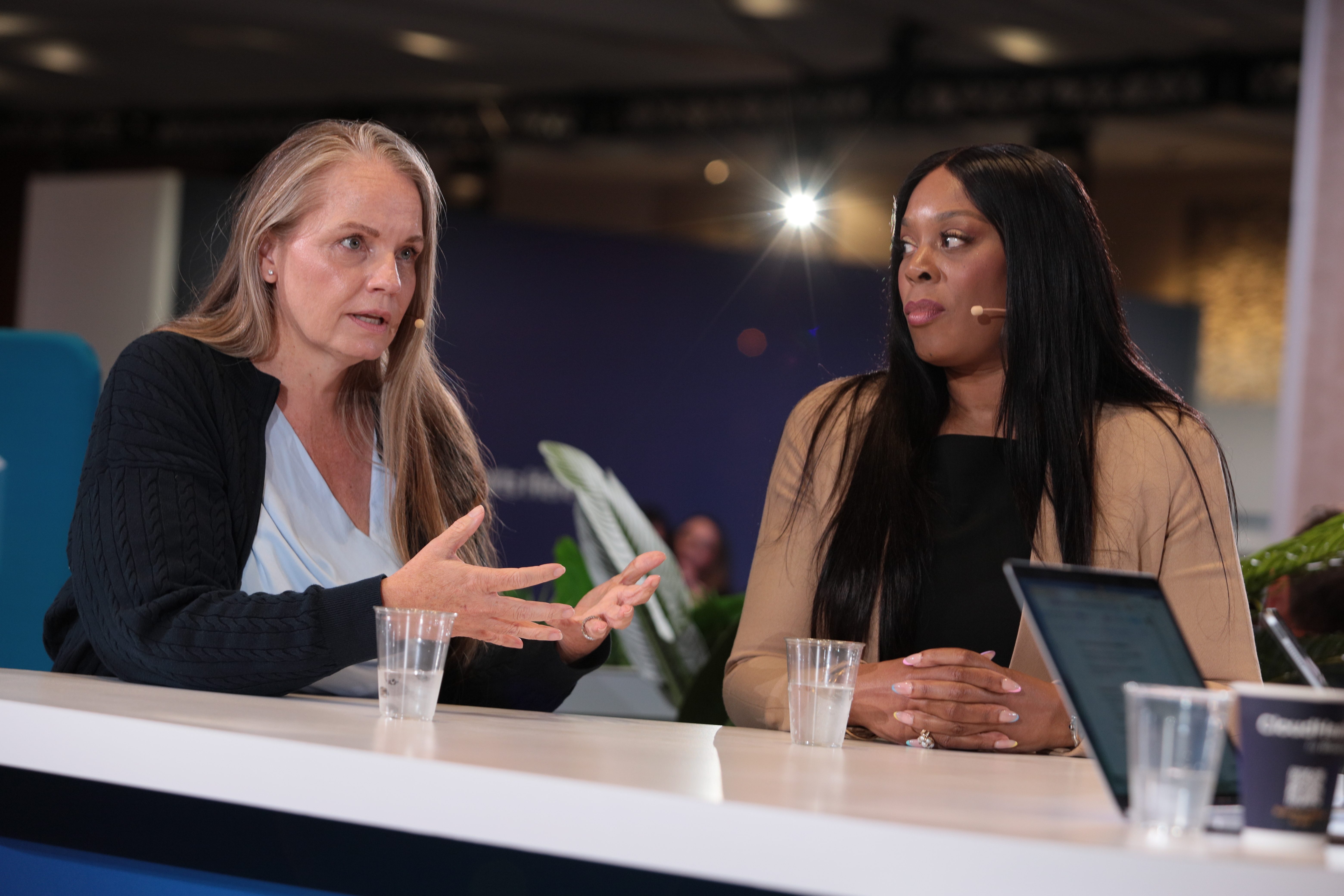
As generative AI shifts from experiment to core operating cost, FinOps is evolving to manage AI spend and the many adjacent costs that token economics introduce. In a FinOps X 2026 keynote analysis on theCUBE, Fidelity's Jennifer Hays and HSBC's Natalie Daley argued that organizations must understand token costs alongside a dozen or more related costs, and that real value comes from reimagining workflows rather than lifting and shifting them. They warned that wide AI spend coverage does not equal mastery and that AI adoption risks repeating cloud's mistakes.
Key Takeaways
- FinOps is evolving rapidly to manage AI spend as generative AI becomes a core enterprise operating cost.
- Token economics force organizations to rethink what costs count, from inference and database throughput to developer hardware.
- Fidelity's Jennifer Hays said you must get transparency in token costs and understand the dozen or more costs around them.
- Both guests said the old approaches need a fundamental rethink rather than a lift and shift.
- The State of FinOps 2026 report found 98% of practitioners now manage AI spend, but coverage does not equal mastery.
- Real value comes from reimagining workflows rather than replicating them with AI.
Stats & Key Facts
- #TheCUBE Research's 2025 data shows 24% of organizations want to release code on an hourly basis.
- #The State of FinOps 2026 report found 98% of practitioners now manage AI spend.
- #Hays cited seeing 20 new models within a quarter.
FinOps at the center of AI decisions
AI spend pulls FinOps into new territory.
- ›Generative AI is moving from a product experiment to a core enterprise operating cost.
- ›Token economics introduce complexity that traditional cloud budgets did not prepare practitioners for.
- ›FinOps teams are now central to decisions they were not originally chartered to make.
Jennifer Hays, senior vice president and head of engineering excellence and technology strategy execution at Fidelity Investments, said organizations must get transparency in token costs and understand how they affect a dozen or more surrounding costs.
Adjacent costs of token economics
Token spend brings a whole segment of related costs.
- ›Costs include input and output into large databases such as Snowflake.
- ›Developer hardware, including laptops, is a factor, along with the choice to run models locally.
- ›People and processes are cost vectors alongside infrastructure when managing AI spend.
The pace of change
Faster model cycles strain existing practices.
- ›TheCUBE Research's 2025 data shows 24% of organizations want to release code hourly.
- ›Hays said software lifecycles went from three to four years to six to twelve months in the cloud era.
- ›She cited seeing 20 new models within a quarter, each with new capabilities.
Hays said the challenge is creating an agnostic framework that lets organizations integrate changing models into workflows while protecting the enterprise, customers and data.
Coverage versus mastery
Managing AI spend widely is not the same as doing it well.
- ›The State of FinOps 2026 report found 98% of practitioners now manage AI spend.
- ›Raw coverage does not equal mastery, especially for enterprises that risk repeating cloud mistakes.
- ›Daley noted people and processes are equally important cost vectors alongside infrastructure.
Reimagine, do not lift and shift
The guests urged rethinking workflows rather than copying them.
- ›Many enterprises did a lift and shift with cloud and never took full advantage of it.
- ›Using AI only as augmentation produces much smaller value statements.
- ›Reinventing workflows, processes and the software development life cycle yields more value.
Hays said sparking that rethink across functions such as legal and HR is part of the FinOps responsibility.
Frequently Asked Questions
Why is FinOps changing because of AI?
Generative AI is becoming a core operating cost, and token economics introduce complexity that traditional cloud budgets did not prepare practitioners for, putting FinOps at the center of new decisions.
What adjacent costs come with token economics?
Beyond inference, costs include input and output into large databases such as Snowflake, developer hardware like laptops, the choice to run models locally, and people and processes.
How many practitioners now manage AI spend?
The State of FinOps 2026 report found 98% of practitioners now manage AI spend, though the guests stressed that coverage does not equal mastery.
What is the recommended approach to AI in FinOps?
The guests said organizations should reimagine workflows and processes rather than lift and shift, since using AI only as augmentation produces much smaller value.
How fast are new AI models arriving?
Hays said she is seeing 20 new models within a quarter, each with new capabilities, which is part of why organizations want to release code as often as hourly.
The FinOps X 2026 panel concluded that managing AI spend means tracking adjacent token costs and reimagining workflows rather than replicating them.
Continue Learning
Comments
Sign in to join the conversation