Fix Agent Failures With Context Engineering for LLMs
Context engineering for LLMs goes beyond prompt design. Learn how to manage context rot, budget tokens, and build reliable production AI agents with n8n. When moving from a playground demo to production, the base model's intelligence isn't always the reason AI agents degrade.
Key Takeaways
- It happens because of the data it receives.
As workflows evolve into multi-step systems, prompt tweaks are no longer enough.
- Context engineering vs. prompt engineering While the terms are occasionally conflated, prompt engineering and context engineering operate at different layers of the AI stack: Prompt engineering focuses on how you format text, write instructions, and choose specific words within the LLM system prompt design to guide a model's immediate reasoning.
- In production, the system prompt is often a small fraction of what the model sees.
The rest - including memory, RAG results, and tool outputs - is what context engineering manages.
- While it's often treated as static, complex agentic systems frequently require dynamic system prompts that append or swap instructions based on the current state of the workflow.
Because these instructions must persist across every turn of a conversation, a bloated system prompt acts as a permanent tax on your token budget.
- Retrieved knowledge When your agent needs external data to answer a specific question, you'll likely rely on retrieval-augmented generation (RAG) to fetch relevant data from a vector store or database.
Stats & Key Facts
- #A detailed system prompt can easily consume 1,000-2,000 tokens repeatedly on every call.
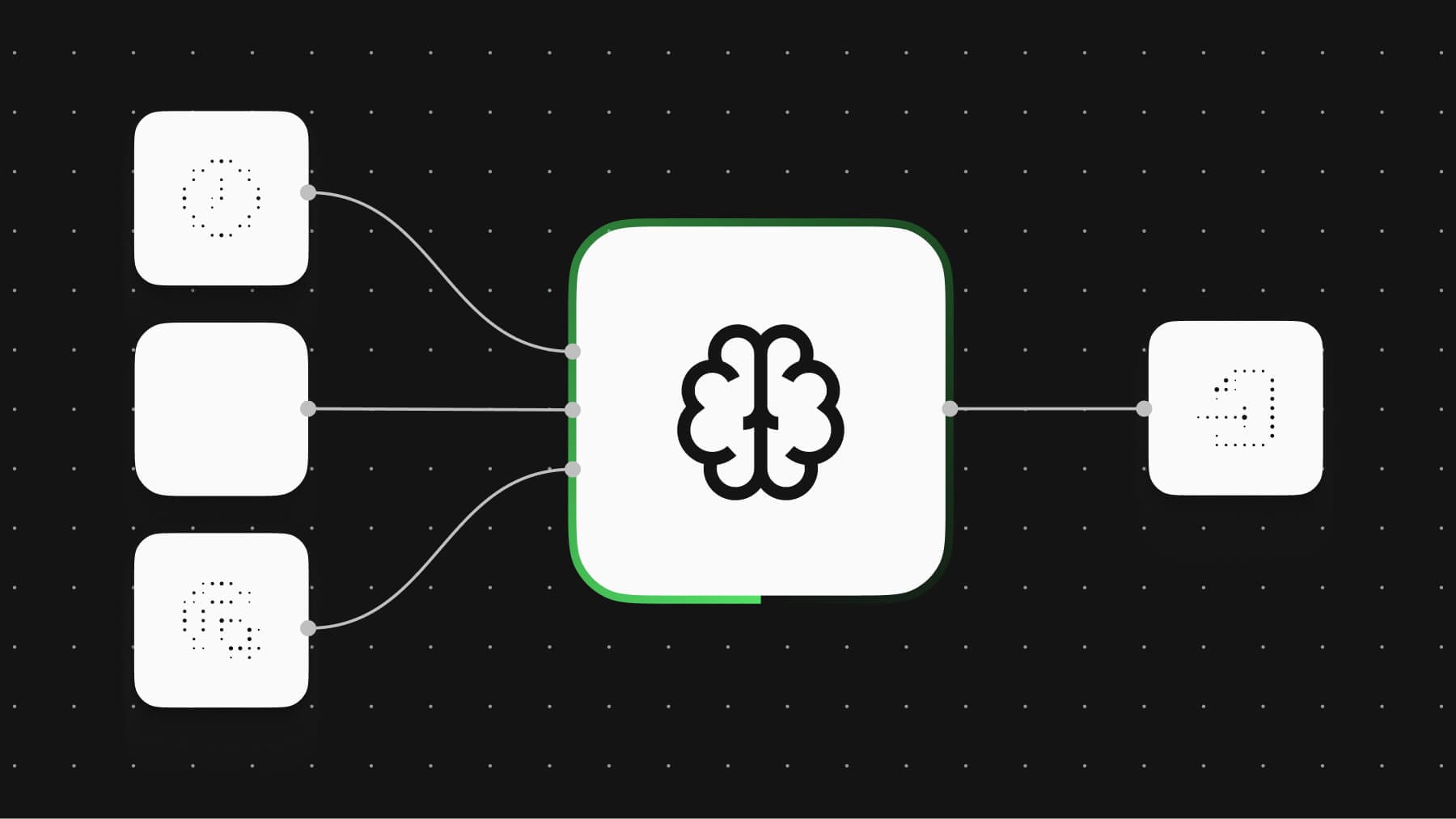
It happens because of the data it receives. As workflows evolve into multi-step systems, prompt tweaks are no longer enough. Context engineering for LLMs shifts the focus from writing clever prompts to controlling what data reaches the model on each call.
Because every historical turn, database retrieval, and tool schema competes for space, engineers have to actively manage the entire lifecycle of context entering the model. 💡 For memory types and storage methods, see our guide on AI agent memory . This article focuses on what happens after retrieval and how to assemble the right context for each call.
Instead of manually tweaking prompts, engineers design automated systems to programmatically assemble and filter data during each model call. Context engineering also involves compressing and clearing historical interactions, retrieved knowledge, and tool schemas across multi-turn conversations. 💡 Prompt engineering and context engineering aren't competing approaches.
For more details please read the original article at n8n Blog.
Continue Learning
Comments
Comments appear only after moderation. Your email identifies your submission to the moderator and is never displayed here.
No approved comments yet.