Hotter Than a Hot Tub: The 45°C Breakthrough to Cool AI's Biggest Machines
NVIDIA has developed a breakthrough in AI server cooling by raising the operating temperature of coolant to 45°C (113°F), which is hotter than typical hot tubs. This higher temperature threshold allows the cooling systems to operate more efficiently, reducing energy consumption and operational costs for data centers running large-scale AI models.
Key Takeaways
- NVIDIA's latest AI servers can operate coolant at 45°C, exceeding typical hot tub temperatures of 38-40°C
- Higher coolant temperatures enable more efficient cooling systems that consume less energy
- This breakthrough addresses the escalating power demands of modern AI infrastructure and large language models
- Warmer operating temperatures reduce the need for aggressive refrigeration, lowering cooling-related energy expenses
- The innovation represents a significant step toward making AI computing more sustainable and cost-effective at scale
Stats & Key Facts
- #45 degrees Celsius (113 degrees Fahrenheit) - maximum coolant operating temperature
- #38 to 40 degrees Celsius - typical hot tub temperature range
- #15 minutes - duration most people can safely soak in a typical hot tub
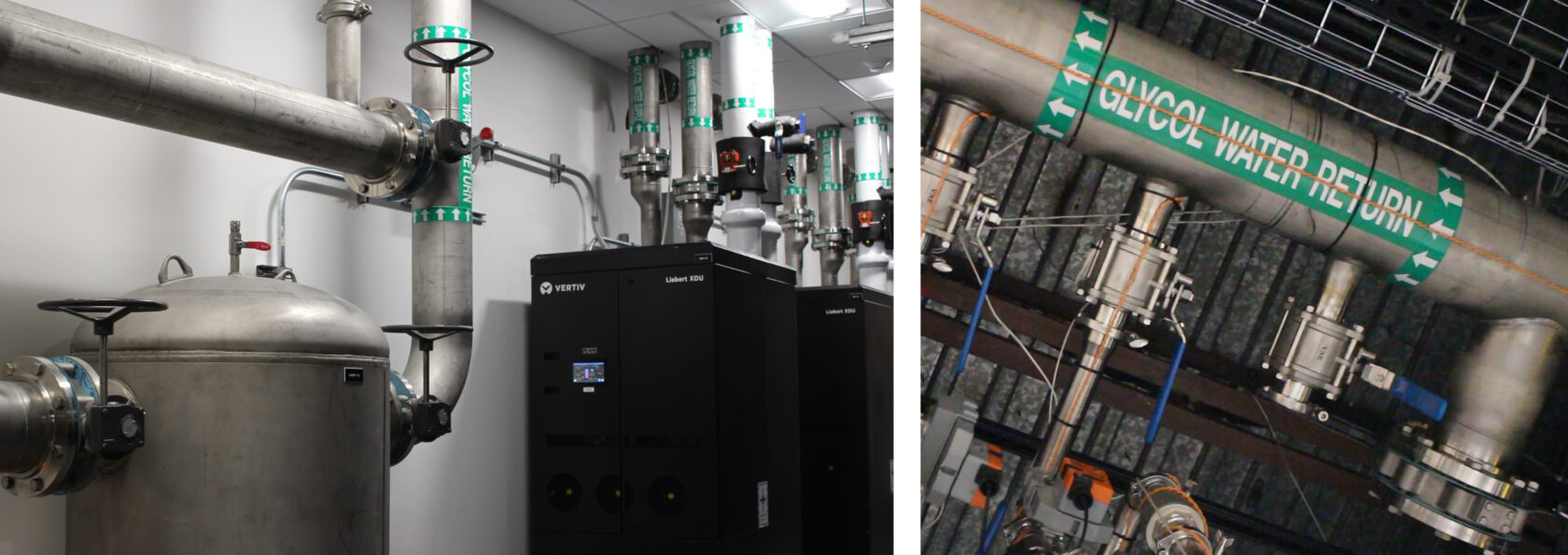
The Cooling Challenge in Modern AI
Data centers powering today's most advanced AI systems face unprecedented thermal management demands.
- ›Large-scale AI models and GPU-intensive workloads generate massive amounts of heat during operation
- ›Traditional cooling systems rely on aggressive refrigeration to maintain safe operating temperatures
- ›Cooling infrastructure accounts for a significant portion of data center energy budgets and operational costs
- ›The race to deploy faster AI systems has intensified the need for innovative thermal solutions
How Higher Temperature Coolant Improves Efficiency
By allowing coolant to operate at elevated temperatures, NVIDIA has fundamentally changed the cooling equation.
- ›Warmer coolant requires less energy to pump and circulate through server systems
- ›Higher temperature differentials reduce the workload on heat exchangers and cooling infrastructure
- ›The system can reject waste heat more naturally to ambient air, minimizing cooling overhead
- ›Energy savings cascade throughout the data center as refrigeration demands decrease
Traditional liquid cooling systems maintain coolant at cooler temperatures to maximize heat absorption and system safety margins. NVIDIA's breakthrough recognizes that modern semiconductor materials and thermal interface technologies can safely operate with warmer coolant, enabling a more efficient transfer process. This shift from aggressive cooling to optimized warm-liquid systems represents a paradigm change in data center thermal design.
Practical Implications for Data Centers
The 45°C coolant capability has immediate real-world benefits for facility operators.
- ›Data centers can reduce overall power consumption dedicated to cooling and refrigeration systems
- ›Lower cooling energy translates directly to reduced operational expenses and improved profit margins
- ›The innovation supports continued AI expansion without proportional increases in power infrastructure
- ›Facilities can prioritize more of their power budget toward actual compute and AI model performance
For large hyperscale data centers deploying thousands of AI servers, even small efficiency gains compound into massive cost savings. A data center housing tens of thousands of GPUs could potentially save millions of dollars annually in cooling-related electricity costs. This efficiency improvement becomes increasingly critical as demand for AI compute continues to grow exponentially and power constraints tighten in many regions.
Environmental and Sustainability Benefits
The efficiency gains extend beyond cost savings to meaningful environmental impact.
- ›Reduced energy consumption lowers the overall carbon footprint of AI computing operations
- ›More efficient cooling systems require fewer physical resources and materials for thermal management infrastructure
- ›The innovation supports the industry's path toward more sustainable AI deployment at scale
- ›Decreased power demands help alleviate strain on electrical grids and reduce dependence on fossil fuel power generation
Technical Specifications and Safety Considerations
NVIDIA's engineering approach balances performance with system reliability.
- ›The 45°C limit represents the maximum safe operating temperature for the coolant in these specific server designs
- ›Enhanced thermal interface materials enable reliable operation at higher temperatures
- ›Server components, including GPUs and memory systems, are rated and validated for these thermal conditions
- ›Thermal management electronics ensure the system never exceeds safe operating parameters
The leap from conventional data center cooling to warm-liquid systems required extensive engineering validation. NVIDIA had to ensure that all components in the thermal path - from GPU die to coolant to heat exchanger - could safely handle the elevated temperatures while maintaining performance and longevity. This engineering rigor demonstrates that the breakthrough is not merely a temperature increase, but a comprehensive system redesign.
The Competitive Landscape
This thermal innovation positions NVIDIA as a leader in addressing data center efficiency challenges.
- ›Competitors in the AI accelerator market face pressure to match or exceed these efficiency improvements
- ›The cooling advantage may influence purchasing decisions from hyperscalers and enterprise customers
- ›Other hardware vendors may accelerate development of similar warm-liquid cooling solutions
- ›The innovation could become an industry standard for next-generation AI infrastructure
Future Implications for AI Infrastructure
The cooling breakthrough opens doors to new possibilities in AI system design and deployment.
- ›Future NVIDIA architectures may build upon this thermal capability to push performance further
- ›Data centers worldwide can deploy more AI capacity without proportional increases in facility power budgets
- ›The innovation supports the sustainability goals of cloud providers and AI companies
- ›Similar thermal advances may extend to other high-performance computing applications beyond AI
As AI continues to advance and models grow larger, thermal management will remain a critical bottleneck in system performance. NVIDIA's 45°C breakthrough demonstrates that clever engineering can turn constraints into advantages. Future innovations may build upon this foundation, creating a more sustainable and efficient path for AI computing to scale to even greater heights while maintaining economic viability and environmental responsibility.
Frequently Asked Questions
Why does a higher coolant temperature make AI servers more efficient?
Higher coolant temperatures require less energy to pump and circulate, reduce refrigeration demands, and allow more natural heat rejection. This means the cooling system itself consumes less electricity, freeing up more power budget for actual AI computations.
Is 45°C safe for running AI servers continuously?
Yes, NVIDIA has engineered its latest servers and components to safely operate with 45°C coolant continuously. All components, including GPUs and memory systems, have been validated and rated for these thermal conditions with appropriate safety margins.
How much money can data centers save with this cooling innovation?
The exact savings depend on facility size and operating conditions, but large data centers with thousands of servers could save millions of dollars annually in cooling-related electricity costs. Even small per-server efficiency gains compound significantly at hyperscale.
Will this technology become the industry standard for AI data centers?
Likely yes over time, as competitors face pressure to match these efficiency improvements and as the benefits become widely recognized. The innovation addresses a critical pain point for data center operators, making adoption economically attractive across the industry.
NVIDIA's warm-liquid cooling breakthrough transforms the economics and sustainability of large-scale AI infrastructure, proving that engineering innovation can solve some of the industry's most pressing challenges.
Continue Learning
Comments
Sign in to join the conversation