New research could lead to faster, trustworthy AI models for climate prediction
MIT scientists have introduced a novel training method aimed at producing AI models for climate prediction. This approach allows models to simulate how human activities impact climate significantly faster than traditional methods while maintaining trustworthiness. Researchers at MIT have developed an innovative training method designed to construct artificial intelligence models for climate forecasting.
Key Takeaways
- By focusing on how human actions influence the environment, this new technique allows systems to run climate simulations far more rapidly than previous methods allowed.
Accelerating climate simulation speed enables researchers to analyze long-term environmental trends much faster without sacrificing model dependability.
- This advancement highlights how specialized training methodologies can overcome computational bottlenecks in complex predictive modeling.
Scientists at MIT created a new training technique for climate prediction AI models.
- The research aims to ensure these high-speed climate models remain trustworthy for future predictions.
- The method generates models capable of simulating human impacts on climate faster than existing approaches.
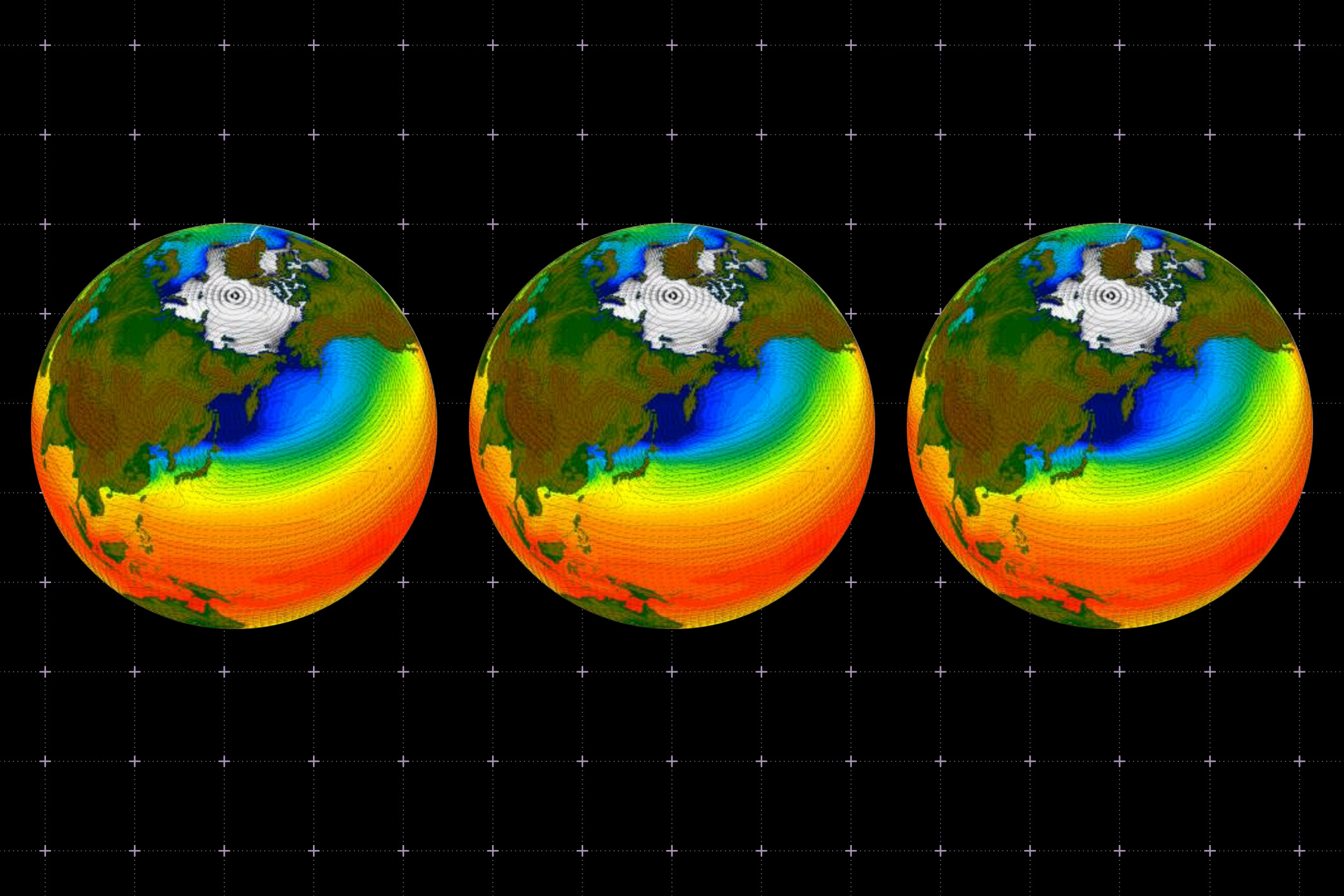
Researchers at MIT have developed an innovative training method designed to construct artificial intelligence models for climate forecasting. By focusing on how human actions influence the environment, this new technique allows systems to run climate simulations far more rapidly than previous methods allowed. Accelerating climate simulation speed enables researchers to analyze long-term environmental trends much faster without sacrificing model dependability.
This advancement highlights how specialized training methodologies can overcome computational bottlenecks in complex predictive modeling. Scientists at MIT created a new training technique for climate prediction AI models. The method generates models capable of simulating human impacts on climate faster than existing approaches.
For more details please read the original article at MIT News AI.
Continue Learning
Comments
Comments appear only after moderation. Your email identifies your submission to the moderator and is never displayed here.
No approved comments yet.