Now generally available: GKE dynamic slicing for higher resilience, and efficiency for TPUs
Google Cloud AI has reached general availability for Dynamic Slicing on Google Kubernetes Engine (GKE). The feature is designed to enhance efficiency and resilience when executing large-scale AI workloads on TPUs. It achieves this by separating logical TPU slice formation from physical nodepool provisioning.
Key Takeaways
- Google Cloud AI has announced the general availability of Dynamic Slicing for Google Kubernetes Engine (GKE).
Designed for large-scale AI workloads running on TPUs, this feature provides computing infrastructure that adapts alongside changing models.
- The update decouples logical TPU slice formation from physical nodepool provisioning to optimize underlying cloud resources.
Decoupling logical slice creation from physical hardware provisioning provides higher resilience and efficiency for hardware deployment.
- For infrastructure management, separating hardware allocation from logical task structuring reduces the complexity of managing physical TPU clusters.
This shift allows operational setups to adjust to evolving model requirements without requiring re-provisioning of physical node pools.
- Dynamic Slicing is now generally available on Google Kubernetes Engine (GKE) for TPU workloads.
The feature decouples the creation of logical TPU slices from physical nodepool provisioning.
- This update aims to provide higher resilience and operational efficiency for large-scale AI infrastructure.
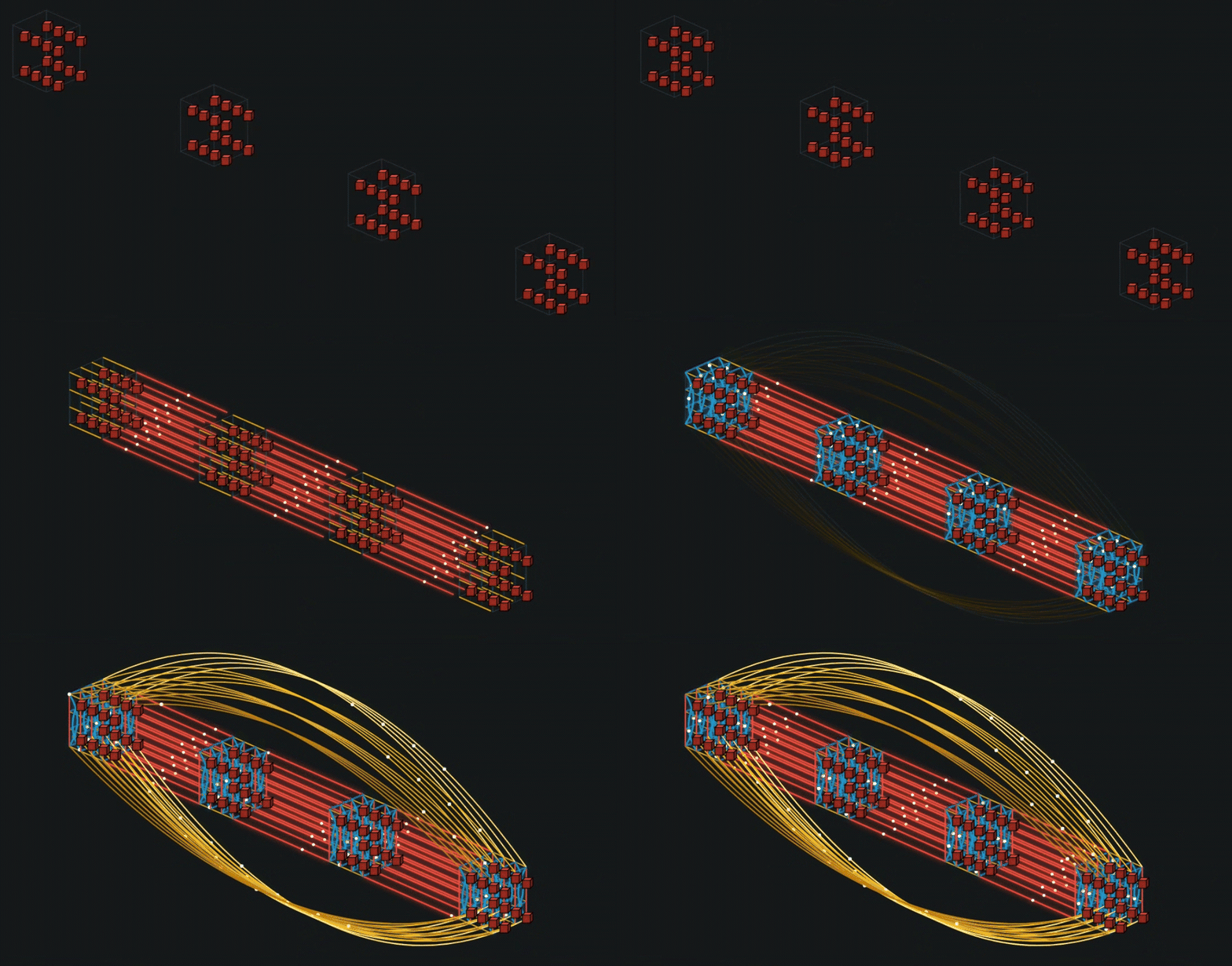
Google Cloud AI has announced the general availability of Dynamic Slicing for Google Kubernetes Engine (GKE). Designed for large-scale AI workloads running on TPUs, this feature provides computing infrastructure that adapts alongside changing models. The update decouples logical TPU slice formation from physical nodepool provisioning to optimize underlying cloud resources.
Decoupling logical slice creation from physical hardware provisioning provides higher resilience and efficiency for hardware deployment. For infrastructure management, separating hardware allocation from logical task structuring reduces the complexity of managing physical TPU clusters. This shift allows operational setups to adjust to evolving model requirements without requiring re-provisioning of physical node pools.
Dynamic Slicing is now generally available on Google Kubernetes Engine (GKE) for TPU workloads. The feature decouples the creation of logical TPU slices from physical nodepool provisioning. This update aims to provide higher resilience and operational efficiency for large-scale AI infrastructure.
For more details please read the original article at Google Cloud AI.
Continue Learning
Comments
Comments appear only after moderation. Your email identifies your submission to the moderator and is never displayed here.
No approved comments yet.