NVIDIA NVLink Fusion Expands With NVHBM Custom High-Bandwidth Memory
NVIDIA has announced the expansion of its NVLink Fusion technology using custom high-bandwidth memory known as NVHBM. As artificial intelligence systems advance toward trillion-parameter workloads and autonomous agents, overall performance relies heavily on unified system design across compute, memory, storage, networking, and software. NVIDIA announced an expansion of its NVLink Fusion technology through NVHBM Custom High-Bandwidth Memory to address the growing operational requirements of advanced artificial intelligence systems.
Key Takeaways
- As complex AI agents and trillion-parameter workloads become standard across the industry, achieving high performance requires more than just scaling processor speeds.
The architecture must integrate compute capabilities directly with storage, memory, networking, and software components to function effectively as a whole.
- Understanding how custom memory technology coordinates with high-speed interconnects provides insight into how future massive-scale models will overcome data transfer bottlenecks across multi-component environments.
NVIDIA is expanding its NVLink Fusion architecture with custom high-bandwidth memory designated as NVHBM.
- System performance now hinges on co-designing compute, storage, networking, memory, and software as a single cohesive unit.
- This emphasis on unified system design highlights how modern AI infrastructure is shifting from isolated hardware components to holistic system architectures.
- Next-generation artificial intelligence workloads increasingly feature AI agents and systems with trillion-parameter scale.
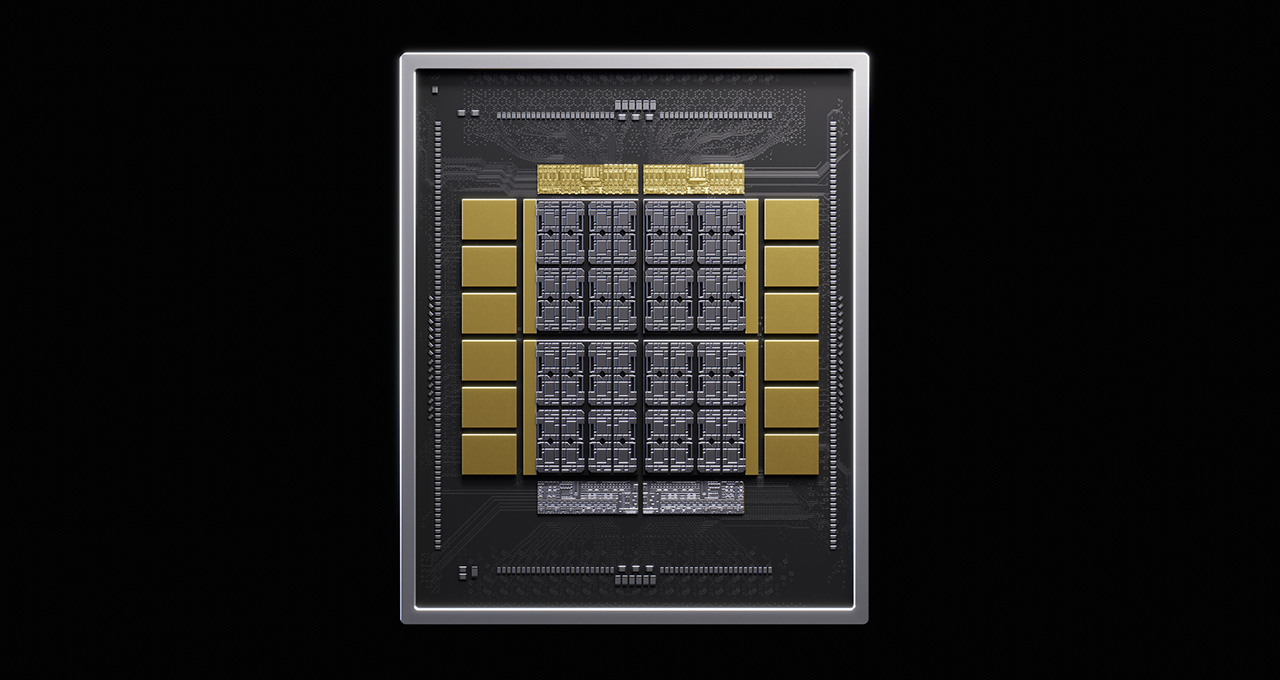
NVIDIA announced an expansion of its NVLink Fusion technology through NVHBM Custom High-Bandwidth Memory to address the growing operational requirements of advanced artificial intelligence systems. As complex AI agents and trillion-parameter workloads become standard across the industry, achieving high performance requires more than just scaling processor speeds. The architecture must integrate compute capabilities directly with storage, memory, networking, and software components to function effectively as a whole.
This emphasis on unified system design highlights how modern AI infrastructure is shifting from isolated hardware components to holistic system architectures. Understanding how custom memory technology coordinates with high-speed interconnects provides insight into how future massive-scale models will overcome data transfer bottlenecks across multi-component environments. NVIDIA is expanding its NVLink Fusion architecture with custom high-bandwidth memory designated as NVHBM.
For more details please read the original article at NVIDIA Blog.
Continue Learning
Comments
Comments appear only after moderation. Your email identifies your submission to the moderator and is never displayed here.
No approved comments yet.