Practice Makes Precise: At CoRL, NVIDIA and Partners Reveal How Robots Rehearse Delicate Work in Simulation
NVIDIA and its partners demonstrated at CoRL how simulation environments can teach robots to perform delicate tasks. While virtual proving grounds were historically used for locomotion like walking, rolling, and hopping, researchers now use them for high-precision work. Robots are rehearsing fine manipulation skills in simulation, including aligning gears, connecting cables, and assembling small components.
Key Takeaways
- NVIDIA and partner researchers revealed at CoRL that simulation technology is expanding into complex, high-precision robotics training.
Virtual environments have long functioned as proving grounds for dynamic movement, helping robots learn to walk, roll, and hop.
- The new findings show that these simulated spaces can also prepare machines for intricate physical work requiring a much finer touch.
The training focuses on delicate assembly tasks, such as aligning gears, connecting cables, and assembling small components.
- By perfecting these actions virtually before real-world deployment, developers can train AI systems to handle sensitive physical interactions with higher precision.
At CoRL, NVIDIA and its partners detailed how simulation environments are helping robots learn precise physical tasks.
- Virtual testing grounds previously focused on basic mobile skills like walking, rolling, and hopping.
Current research applies simulation to delicate operations such as aligning gears and connecting cables.
- Using simulated rehearsal allows robots to master assembling small components that require a finer touch.
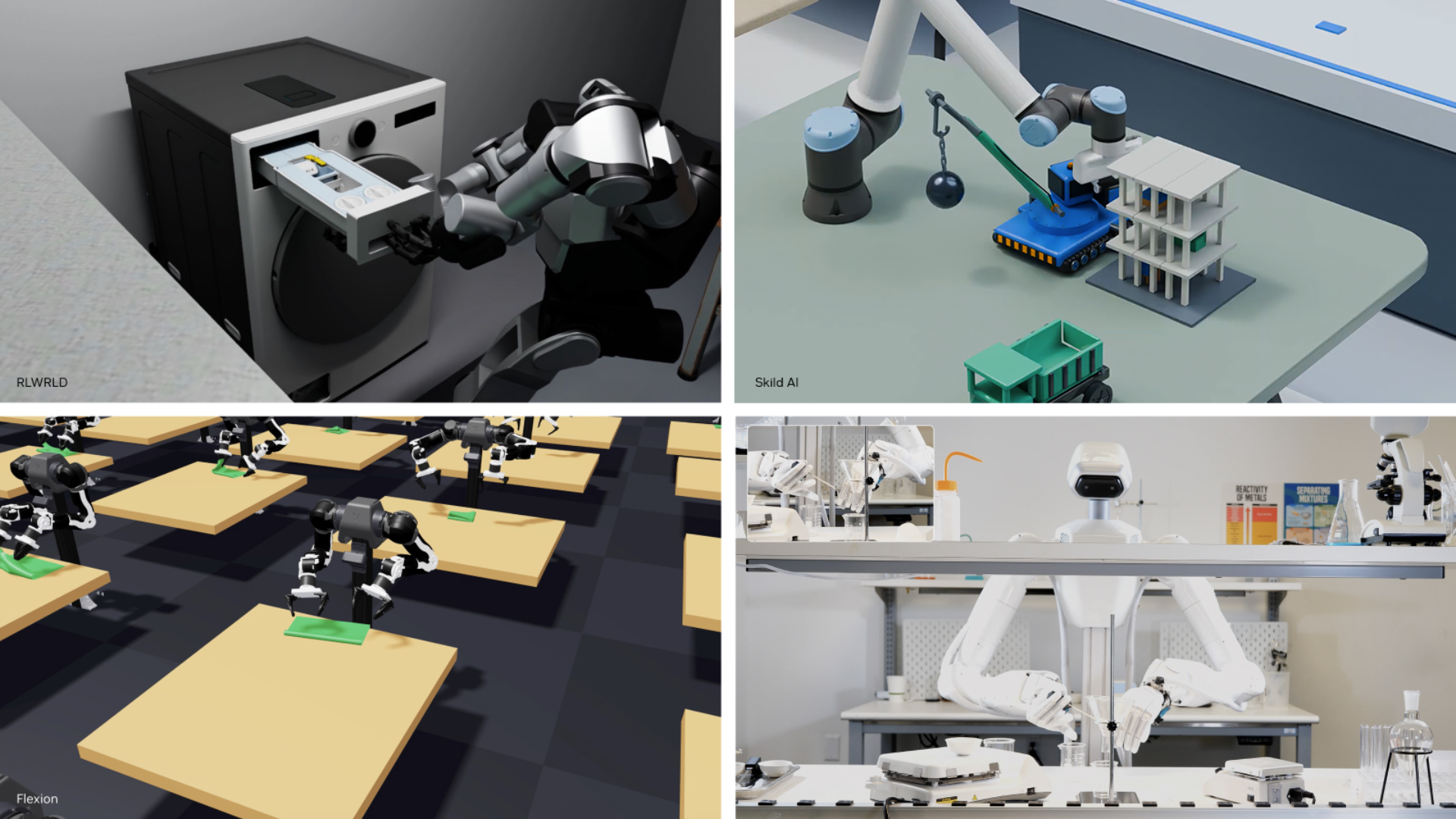
NVIDIA and partner researchers revealed at CoRL that simulation technology is expanding into complex, high-precision robotics training. Virtual environments have long functioned as proving grounds for dynamic movement, helping robots learn to walk, roll, and hop. The new findings show that these simulated spaces can also prepare machines for intricate physical work requiring a much finer touch.
The training focuses on delicate assembly tasks, such as aligning gears, connecting cables, and assembling small components. By perfecting these actions virtually before real-world deployment, developers can train AI systems to handle sensitive physical interactions with higher precision. At CoRL, NVIDIA and its partners detailed how simulation environments are helping robots learn precise physical tasks.
Virtual testing grounds previously focused on basic mobile skills like walking, rolling, and hopping. Current research applies simulation to delicate operations such as aligning gears and connecting cables. Using simulated rehearsal allows robots to master assembling small components that require a finer touch.
For more details please read the original article at NVIDIA Blog.
Continue Learning
Comments
Comments appear only after moderation. Your email identifies your submission to the moderator and is never displayed here.
No approved comments yet.