Q&A: The "collision" between AI, your brain, and society
A new book by Professor Eric So investigates the ways artificial intelligence impacts human cognitive abilities. The work examines what is described as a 'collision' between AI, the human brain, and broader society. In a recent publication, Professor Eric So addresses the intersection where artificial intelligence, human cognition, and societal structures meet.
Key Takeaways
- His work highlights how the ongoing integration of automated systems influences human thinking skills and daily mental habits.
By framing this interaction as a 'collision', the author emphasizes the deep transformative shift occurring across modern culture as individuals increasingly rely on digital tools.
- As algorithms perform tasks previously reserved for human cognition, researchers must track how these changes reshape critical reasoning and problem-solving abilities.
Analyzing these neurological and societal dynamics offers essential perspective on how human intelligence adapts alongside evolving machine capabilities.
- Professor Eric So has authored a new book examining the relationship between artificial intelligence and cognitive functions.
The author analyzes the broader societal and neurological impacts resulting from widespread AI adoption.
- Studying these cognitive effects helps researchers understand how human thinking skills evolve alongside automated technologies.
- Understanding the psychological and cognitive consequences of intelligent systems is vital for evaluating technology adoption.
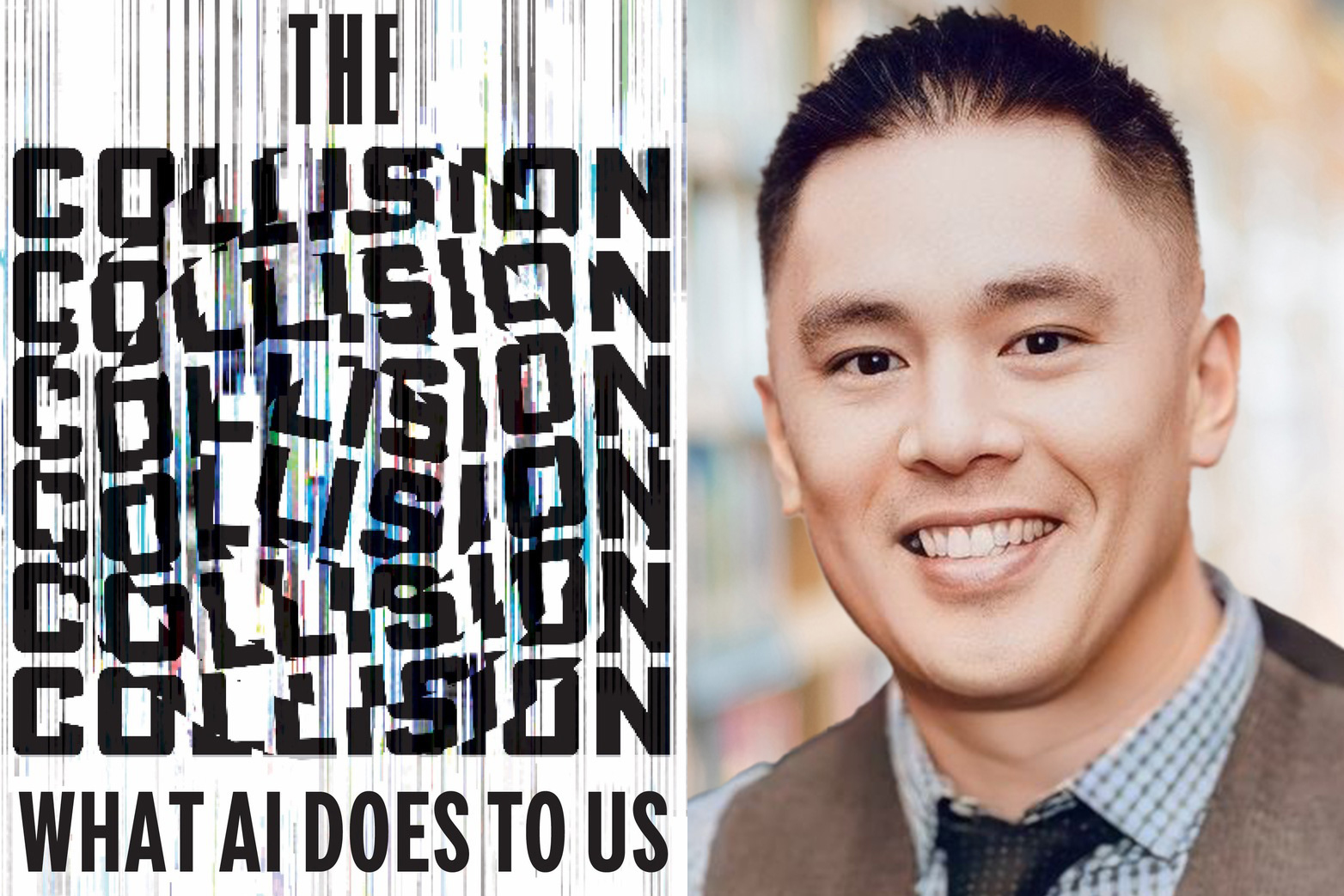
In a recent publication, Professor Eric So addresses the intersection where artificial intelligence, human cognition, and societal structures meet. His work highlights how the ongoing integration of automated systems influences human thinking skills and daily mental habits. By framing this interaction as a 'collision', the author emphasizes the deep transformative shift occurring across modern culture as individuals increasingly rely on digital tools.
Understanding the psychological and cognitive consequences of intelligent systems is vital for evaluating technology adoption. As algorithms perform tasks previously reserved for human cognition, researchers must track how these changes reshape critical reasoning and problem-solving abilities. Analyzing these neurological and societal dynamics offers essential perspective on how human intelligence adapts alongside evolving machine capabilities.
Professor Eric So has authored a new book examining the relationship between artificial intelligence and cognitive functions. The author analyzes the broader societal and neurological impacts resulting from widespread AI adoption. Studying these cognitive effects helps researchers understand how human thinking skills evolve alongside automated technologies.
For more details please read the original article at MIT News AI.
Continue Learning
Comments
Comments appear only after moderation. Your email identifies your submission to the moderator and is never displayed here.
No approved comments yet.