SOC 2 Compliance Automation Across Heterogeneous Stacks
An article published by the n8n Blog outlines how automation manages SOC 2 compliance tasks across heterogeneous infrastructure. It details how technical teams can automate evidence collection, control monitoring, gap analysis, and readiness reporting without relying on manual log exports. The text highlights that while repeatable, rules-based tasks can be automated, governance decisions still require human judgment.
Key Takeaways
- Maintaining compliance across growing engineering environments creates ongoing coordination challenges as controls depend on data from diverse cloud, identity, and internal platforms.
The article explains that automation helps satisfy the SOC 2 Trust Services Criteria through continuous control monitoring, automated evidence collection, gap analysis and remediation tracking, and audit readiness reporting.
- These functions detect configuration drift early and keep audit records current without burdening engineers with repetitive manual data gathering.
By pulling artifacts automatically from platforms including Okta, GitHub, and Jira, compliance systems construct consistent audit trails and route flagged issues directly into ticketing platforms.
- However, automation works best when tied strictly to system state and predictable rules.
For technical teams studying automation workflows, the breakdown illustrates how software excels at continuous data retrieval and alert routing while leaving contextual decision-making and governance to human professionals.
- SOC 2 compliance automation covers four primary functions: continuous control monitoring, automated evidence collection, gap analysis with remediation tracking, and audit readiness reporting.
Automated workflows gather audit artifacts directly from systems such as Okta, GitHub, and Jira to create ongoing audit trails without manual screenshots.
- Tasks that are repeatable and rules-based suit automation well, but high-level governance and policy decisions still demand human judgment.
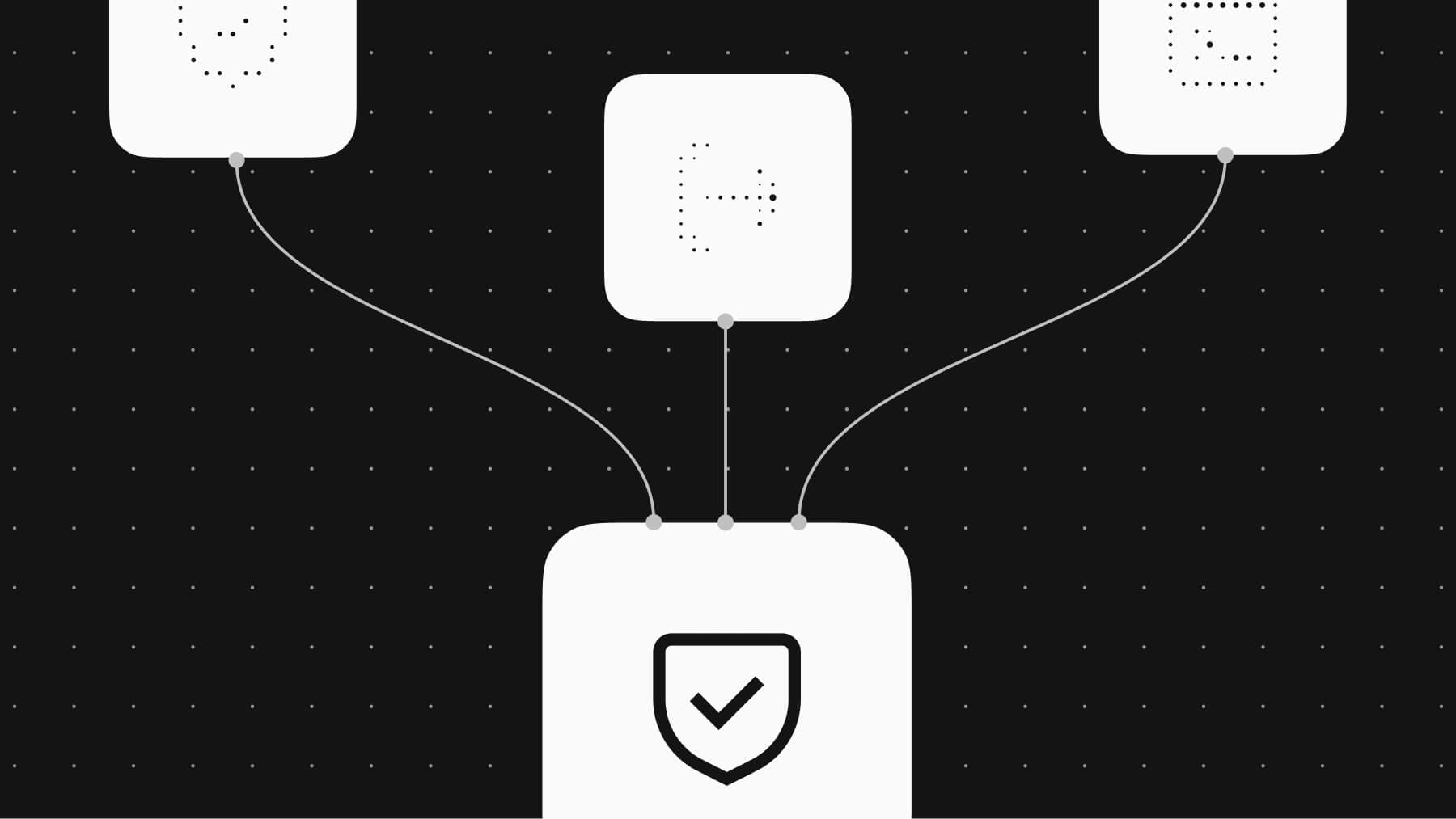
Maintaining compliance across growing engineering environments creates ongoing coordination challenges as controls depend on data from diverse cloud, identity, and internal platforms. The article explains that automation helps satisfy the SOC 2 Trust Services Criteria through continuous control monitoring, automated evidence collection, gap analysis and remediation tracking, and audit readiness reporting. These functions detect configuration drift early and keep audit records current without burdening engineers with repetitive manual data gathering.
By pulling artifacts automatically from platforms including Okta, GitHub, and Jira, compliance systems construct consistent audit trails and route flagged issues directly into ticketing platforms. However, automation works best when tied strictly to system state and predictable rules. For technical teams studying automation workflows, the breakdown illustrates how software excels at continuous data retrieval and alert routing while leaving contextual decision-making and governance to human professionals.
SOC 2 compliance automation covers four primary functions: continuous control monitoring, automated evidence collection, gap analysis with remediation tracking, and audit readiness reporting. Automated workflows gather audit artifacts directly from systems such as Okta, GitHub, and Jira to create ongoing audit trails without manual screenshots. Tasks that are repeatable and rules-based suit automation well, but high-level governance and policy decisions still demand human judgment.
For more details please read the original article at n8n Blog.
Continue Learning
Comments
Comments appear only after moderation. Your email identifies your submission to the moderator and is never displayed here.
No approved comments yet.