This design software reimagines everyday objects as self-aware devices
A new design software called "X-Hinges" enables the creation and 3D printing of everyday products, including lamps and gloves, featuring built-in interactive capabilities. The system automatically incorporates sensors into these printed items to detect and adjust dynamically to physical touch from humans. This development allows physical objects to function as responsive devices through integrated sensing mechanisms.
Key Takeaways
- Designers can use "X-Hinges" software to create and 3D print ordinary objects like lamps and gloves with interactive capabilities.
The software streamlines the fabrication process by automatically embedding sensors directly within the physical structures during production.
- For individuals studying intelligent hardware, this approach demonstrates how physical manufacturing and automated sensing design can merge to create self-aware objects.
By embedding responsive mechanisms directly into 3D printed forms, creators can build physical interfaces that interact seamlessly with users without requiring manual assembly of external sensors.
- The design software "X-Hinges" assists in fabricating physical items with integrated interactive functionality.
Printed objects such as gloves and lamps feature automatically embedded sensors that detect human touch.
- Incorporating dynamic sensing directly into 3D printed structures enables everyday items to adaptively respond to user interactions.
- These integrated components allow the finished items to perceive physical interactions and adjust their behavior dynamically when people touch them.
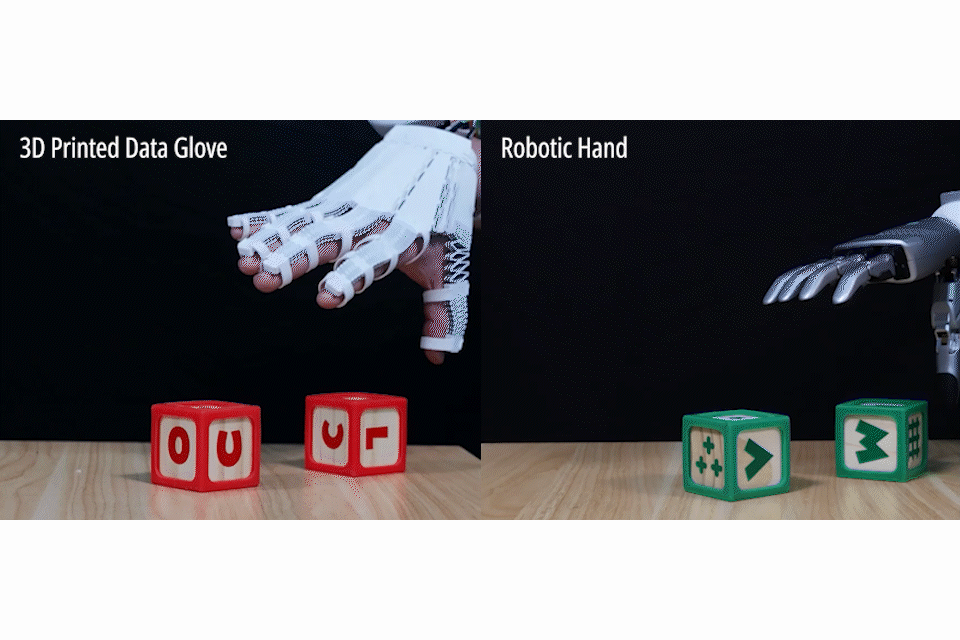
Designers can use "X-Hinges" software to create and 3D print ordinary objects like lamps and gloves with interactive capabilities. The software streamlines the fabrication process by automatically embedding sensors directly within the physical structures during production. These integrated components allow the finished items to perceive physical interactions and adjust their behavior dynamically when people touch them.
For individuals studying intelligent hardware, this approach demonstrates how physical manufacturing and automated sensing design can merge to create self-aware objects. By embedding responsive mechanisms directly into 3D printed forms, creators can build physical interfaces that interact seamlessly with users without requiring manual assembly of external sensors. The design software "X-Hinges" assists in fabricating physical items with integrated interactive functionality.
For more details please read the original article at MIT News AI.
Continue Learning
Comments
Comments appear only after moderation. Your email identifies your submission to the moderator and is never displayed here.
No approved comments yet.