What does "full-stack" AI actually mean?
An engineer at Google DeepMind has clarified the concept of full-stack AI development by dividing it into five distinct layers. The explanation outlines how this structured approach to artificial intelligence engineering impacts regular end users. By defining full-stack AI, the breakdown helps clarify a term that is increasingly used across the technology industry.
Key Takeaways
- A software engineer at Google DeepMind has outlined a structural framework that defines full-stack development in artificial intelligence.
The framework divides the complete system architecture into "five simple layers" to explain how different components interact.
- Beyond technical design, the analysis details how these backend and frontend tiers directly shape the experiences of everyday users interacting with AI tools.
Analyzing artificial intelligence systems through a layered framework offers clearer insight into how full-stack systems operate.
- Recognizing the multi-tiered structure helps distinguish between foundational model infrastructure and user-facing software applications.
This architectural perspective highlights how engineering choices at deeper technical tiers ultimately determine the behavior and quality of user applications.
- A Google DeepMind engineer has categorized full-stack AI development into "five simple layers" to simplify the concept.
The architectural breakdown demonstrates how underlying artificial intelligence infrastructure influences consumer applications.
- Understanding these distinct technical tiers provides clarity on how modern AI systems are built and delivered to end users.
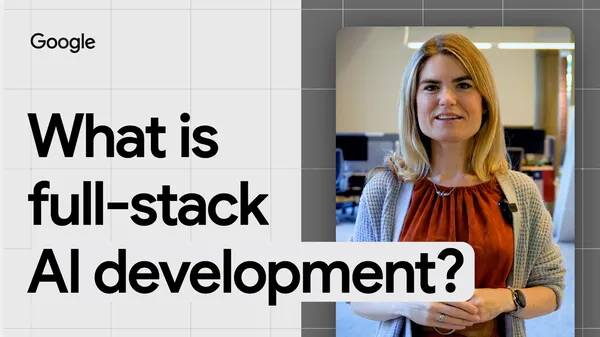
A software engineer at Google DeepMind has outlined a structural framework that defines full-stack development in artificial intelligence. The framework divides the complete system architecture into "five simple layers" to explain how different components interact. Beyond technical design, the analysis details how these backend and frontend tiers directly shape the experiences of everyday users interacting with AI tools.
Analyzing artificial intelligence systems through a layered framework offers clearer insight into how full-stack systems operate. Recognizing the multi-tiered structure helps distinguish between foundational model infrastructure and user-facing software applications. This architectural perspective highlights how engineering choices at deeper technical tiers ultimately determine the behavior and quality of user applications.
A Google DeepMind engineer has categorized full-stack AI development into "five simple layers" to simplify the concept. The architectural breakdown demonstrates how underlying artificial intelligence infrastructure influences consumer applications. Understanding these distinct technical tiers provides clarity on how modern AI systems are built and delivered to end users.
For more details please read the original article at Google Gemini.
Continue Learning
Comments
Comments appear only after moderation. Your email identifies your submission to the moderator and is never displayed here.
No approved comments yet.