Why teaching AI about symmetry could make prenatal diagnosis more reliable
Researchers at MIT and Boston Children's Hospital have created a new artificial intelligence model designed to enhance prenatal care. By incorporating concepts of symmetry, the system can adjust scans in real time to monitor fetal movement. This advance may increase the reliability of prenatal diagnoses and reduce the need for families to make extra hospital visits.
Key Takeaways
- Fetal movement often complicates scans, but this new system adjusts image captures dynamically as movement occurs.
By adapting to real-time shifts during procedures, the technology aims to make prenatal evaluations significantly more reliable for clinical teams.
- Standard fetal imaging frequently requires repeated sessions if sudden movements disrupt scan quality.
By automatically tracking fetal positions, the system could spare families from undergoing burdensome follow-up hospital visits, demonstrating how specialized AI applications can optimize clinical workflows and improve patient experience.
- Improving tracking accuracy could lower the frequency of required follow-up hospital appointments for pregnant patients.
- Beyond improving diagnostic precision, this technological development offers practical benefits for patient care.
- The model dynamically modifies imaging scans during procedures to follow movement of a fetus.
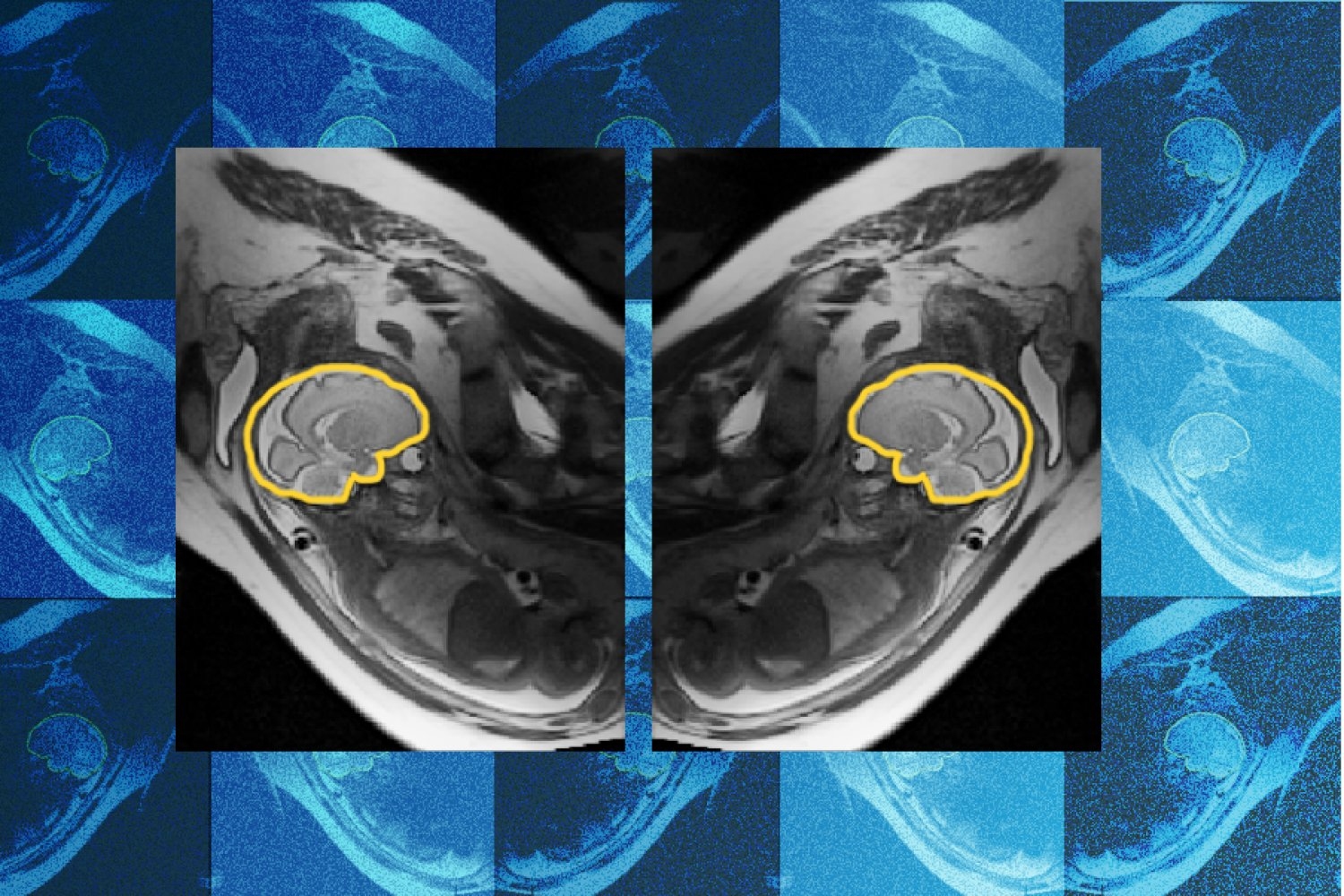
Researchers affiliated with MIT and Boston Children's Hospital have developed an innovative artificial intelligence model that incorporates symmetry to improve prenatal diagnostic imaging. Fetal movement often complicates scans, but this new system adjusts image captures dynamically as movement occurs. By adapting to real-time shifts during procedures, the technology aims to make prenatal evaluations significantly more reliable for clinical teams.
Beyond improving diagnostic precision, this technological development offers practical benefits for patient care. Standard fetal imaging frequently requires repeated sessions if sudden movements disrupt scan quality. By automatically tracking fetal positions, the system could spare families from undergoing burdensome follow-up hospital visits, demonstrating how specialized AI applications can optimize clinical workflows and improve patient experience.
Experts from MIT and Boston Children's Hospital created an artificial intelligence system that incorporates symmetry principles. The model dynamically modifies imaging scans during procedures to follow movement of a fetus. Improving tracking accuracy could lower the frequency of required follow-up hospital appointments for pregnant patients.
For more details please read the original article at MIT News AI.
Continue Learning
Comments
Comments appear only after moderation. Your email identifies your submission to the moderator and is never displayed here.
No approved comments yet.