AI News and Blog Articles
Curated updates from the most trusted sources in artificial intelligence. Stay ahead without the noise.
Top AI News
Hand-picked stories worth reading right now33 articles found
Meta Tapped a Pentagon Supplier to Prototype Face Recognition for Its Glasses
Rank One, whose board includes a former CIA deputy director and a former FBI science chief, supplied face recognition to Meta for internal development of its smart glasses app.

China may have accessed Mythos
According to a new report from Semafor, the White House's decision to impose export restrictions on Anthropic's Mythos was driven in part by fears that it had been accessed by a group linked to China. If the Chinese government actually had access to Mythos 5 or Fable 5, it would present a serious national security risk. The government could also attempt to reverse engineer the model through distillation, a method in which a "student" AI is trained on a more advanced model to replicate its behavior. The White House has not confirmed this report, and a post on X by Trump advisor David Sacks did

Amazon security research reportedly led to the White House's Anthropic Fable ban
According to the Wall Street Journal, the export control directive that led Anthropic to cut off access to Fable 5 and Mythos 5 was triggered in part by cybersecurity research from Amazon and conversations between Amazon CEO Andy Jassy and the White House. Amazon's paper reportedly claimed it used a series of prompts to get Fable 5 to produce information usable in cyberattacks. Anthropic disputes the characterization as a jailbreak, some security researchers back the company, and the episode adds to ongoing friction between Anthropic and the Trump administration.
Amazon CEO reportedly raised Anthropic model concerns before government crackdown
TechCrunch reports that Amazon CEO Andy Jassy may have been the source of the security concerns that led Anthropic to cut off worldwide access to two of its models. According to the Wall Street Journal, Jassy told Treasury Secretary Scott Bessent and other officials that Amazon researchers used Anthropic's Claude Fable 5 to obtain information usable in cyberattacks. The government then imposed an export control ban on the Fable 5 and Mythos 5 models. Amazon, a major Anthropic investor, declined to share details, and Anthropic said the capabilities of concern are already available in other public models.

Anthropic cuts off Fable 5 and Mythos 5 access following government order
The US government issued an export control directive on Friday evening ordering Anthropic to block access to its Fable 5 and Mythos 5 models for all foreign nationals, inside and outside the US, citing national security concerns. To comply, Anthropic completely cut off access to the models for all customers, including its own employees. Anthropic said it complied but stated the government did not provide specific details of the concern, gave any jailbreak evidence only verbally, and described the disclosed vulnerabilities as minor and available through other models such as GPT 5.5.
Anthropic's safety warnings may have just backfired - the government has pulled the plug on its most powerful AI
The U.S. government on Friday ordered Anthropic to immediately shut off worldwide access to two of its most powerful AI models, Claude Fable 5 and Claude Mythos 5, citing national security concerns. Anthropic said it complied but disagreed strongly, arguing the underlying concern is a claimed narrow jailbreak of Fable 5 that amounts to capability already available in other public models like OpenAI's GPT-5.5. The episode is notable because Anthropic had restricted Mythos for being exceptionally good at finding software vulnerabilities, and that very caution now appears to have drawn the scrutiny that disrupted its business.
Anthropic Says It's Taking Claude Fable 5 Offline to Comply With US Government Order
"The government believes it has become aware of a method of bypassing, or 'jailbreaking' Fable 5," the company said in a blog post.
The 6 best AI governance tools in 2026
This Zapier article introduces a roundup of the best AI governance tools for 2026, explaining what AI governance is and how to think about choosing tools. It argues that AI governance is not a single product category but a discipline spanning the entire AI lifecycle, from the decision to build or buy a tool to its retirement. The author breaks the software into three areas and lists selection criteria used to build a well-rounded list.
Statement on the US government directive to suspend access to Fable 5 and Mythos 5
Anthropic issued a statement after the U.S. government, citing national security authorities, ordered it to suspend all access to its Fable 5 and Mythos 5 models by any foreign national, inside or outside the United States, including Anthropic's own foreign national employees. To comply, Anthropic had to abruptly disable both models for all customers, though access to other Anthropic models is unaffected. Anthropic says the government's concern appears to relate to a method of bypassing, or jailbreaking, Fable 5, and the company disputes that the action was warranted.
TCS and Anthropic partner to bring Claude to regulated industries
Anthropic announced a partnership with Tata Consultancy Services (TCS), one of the world's largest technology services companies, to bring its Claude AI to regulated industries. TCS will provide Claude to 50,000 of its own employees across 56 countries, build Claude-powered products for clients in financial services, healthcare, the public sector, and other regulated fields, and join the Claude Partner Network. As customer zero, TCS will use Claude across its own teams and package it into industry-specific offerings such as claims processing for insurers and lending advisory for banks.

Datadog sees tagging and model governance as the foundation of AI cost management
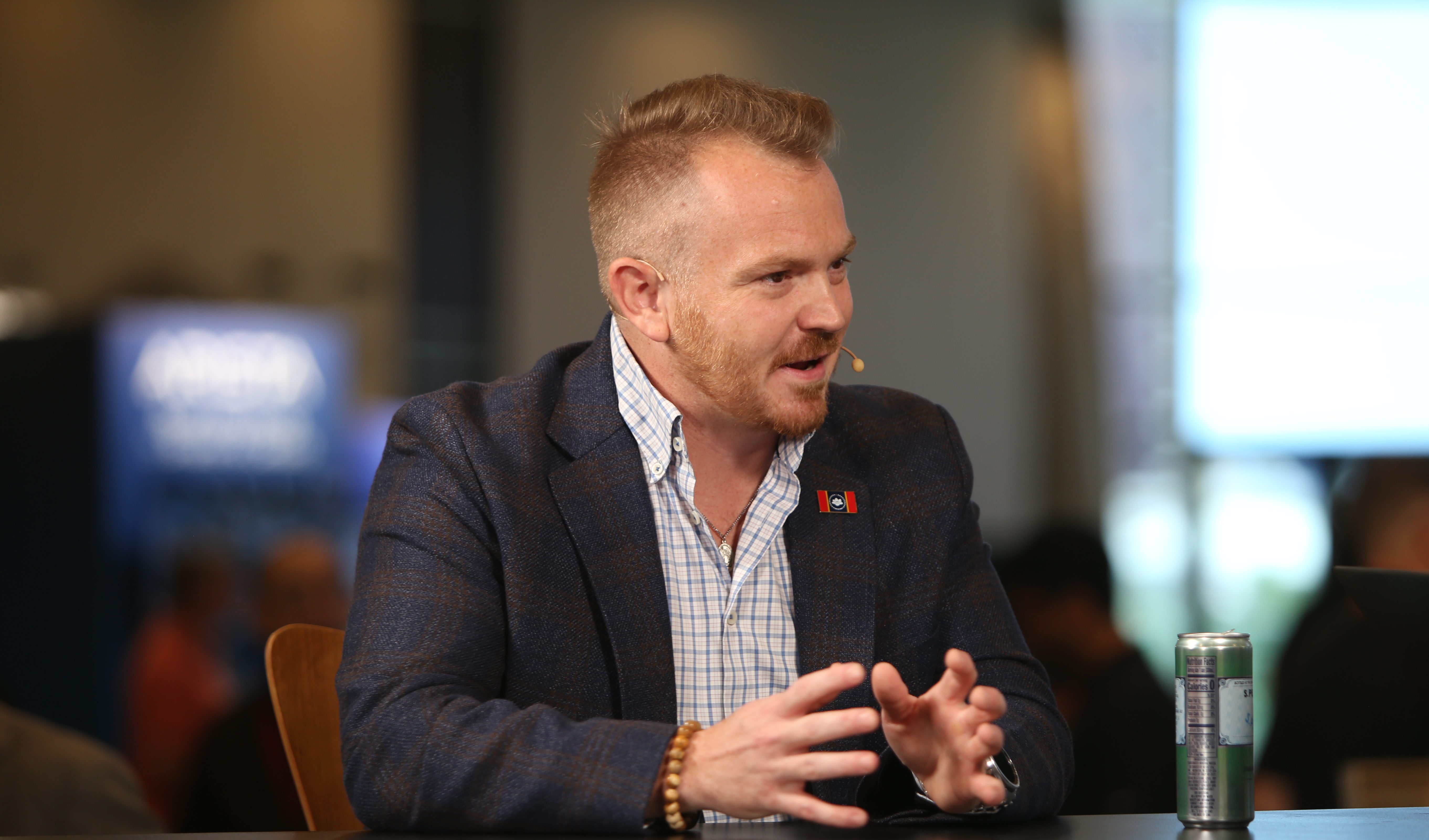
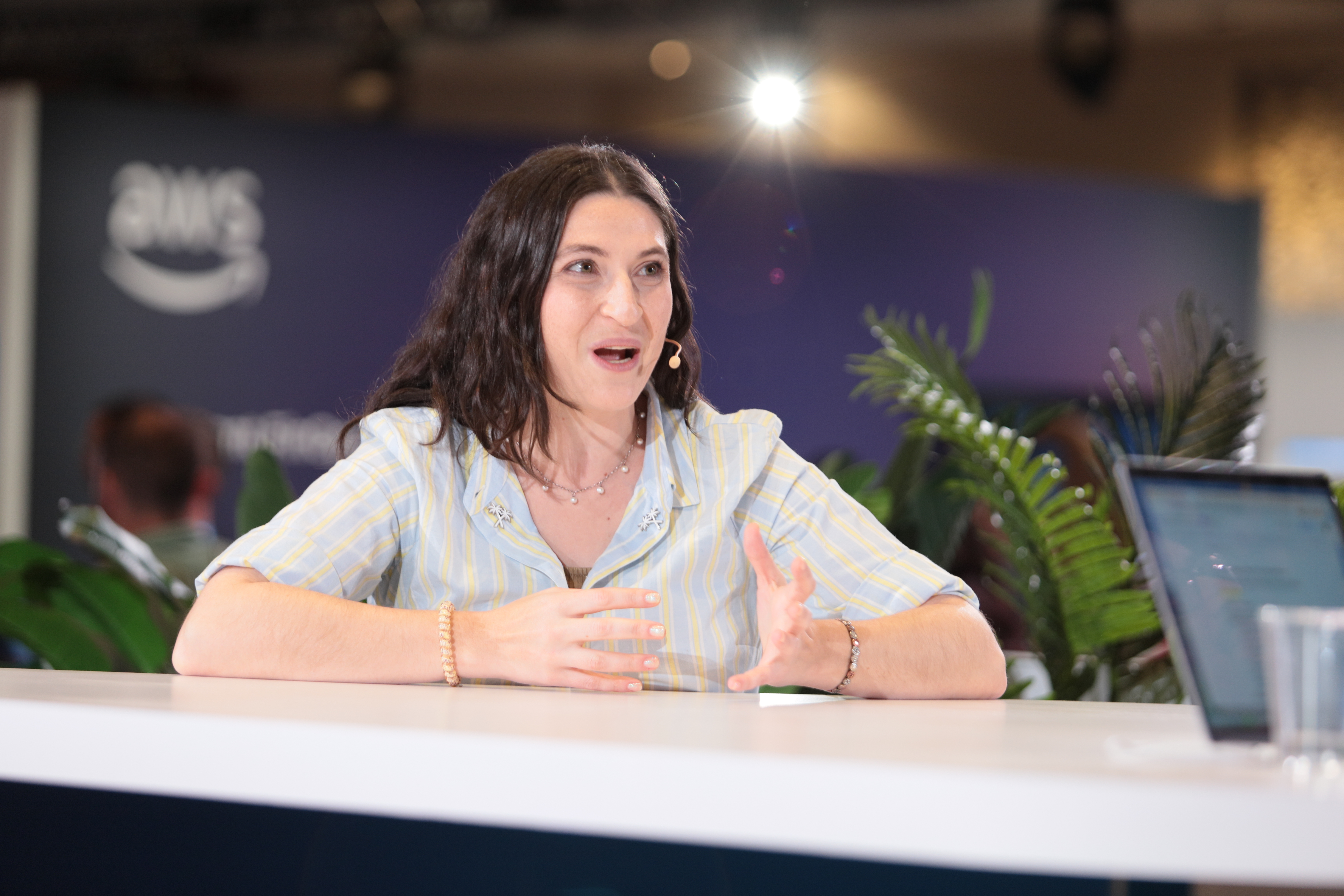
Datadog's senior FinOps analyst Deeja Cruz argues that strong tagging, model selection governance and cross-team collaboration are the foundations of effective AI cost management. Speaking with theCUBE at FinOps X 2026, Cruz says AI cost management brings new taxonomy to FinOps but the core discipline of understanding what you use, why and what it costs stays the same. She shares a practical example of practitioner-led AI use and describes how AI spend ownership emerged at Datadog through collaboration between FinOps and an internal AI developer experience team.

FinOps AI governance demands new KPIs as token economics reshape enterprise cost models
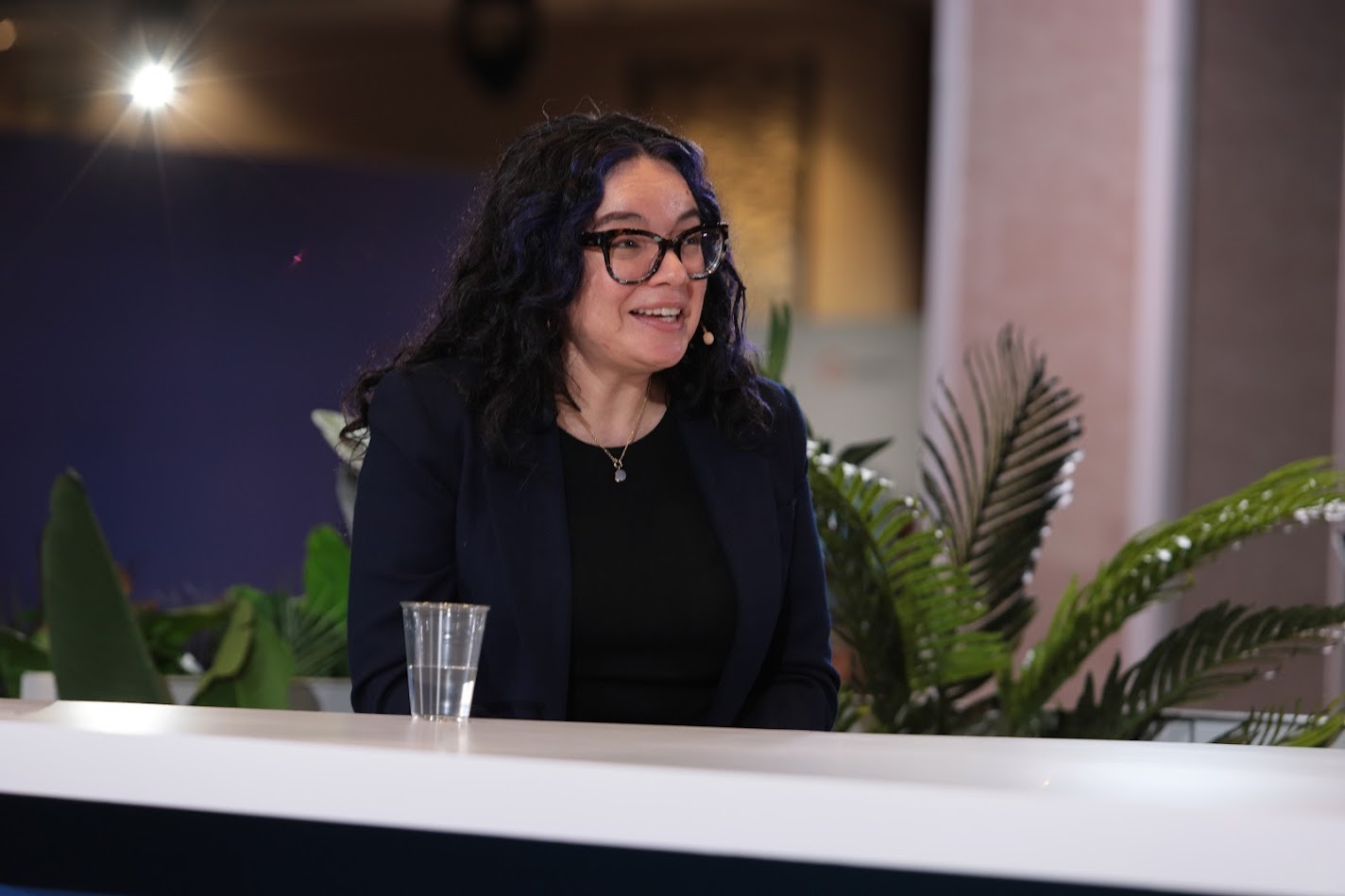
FinOps AI governance is being stress-tested as AI spending accelerates across enterprises, and familiar cost levers like tagging, rightsizing and reserved capacity are proving insufficient against a token-based cost model with opaque billing. Speaking at FinOps X 2026, SailPoint's senior staff FinOps analyst Victoria Levy says new KPIs such as cost per token will emerge and eventually converge on useful, outcome-based metrics. She argues that automation and enforcement, plus cross-functional collaboration among finance, engineering and security, are essential to controlling AI costs at scale.

AWS launches FinOps agent to bring AI cost governance to cloud spend
AWS launched a FinOps agent in a feature preview at FinOps X 2026 to bring AI cost governance and real-time anomaly detection to cloud spending. The autonomous agent monitors cloud costs, detects anomalies, performs root-cause analysis, and routes alerts to responsible teams via Slack or Jira without waiting for end-of-month reports. AWS cost management director Jerry Rapisarda explained that AI costs are non-deterministic and require tying spend to business outcomes through unit economics.

AI value creation meets cost accountability as FinOps evolves beyond cloud
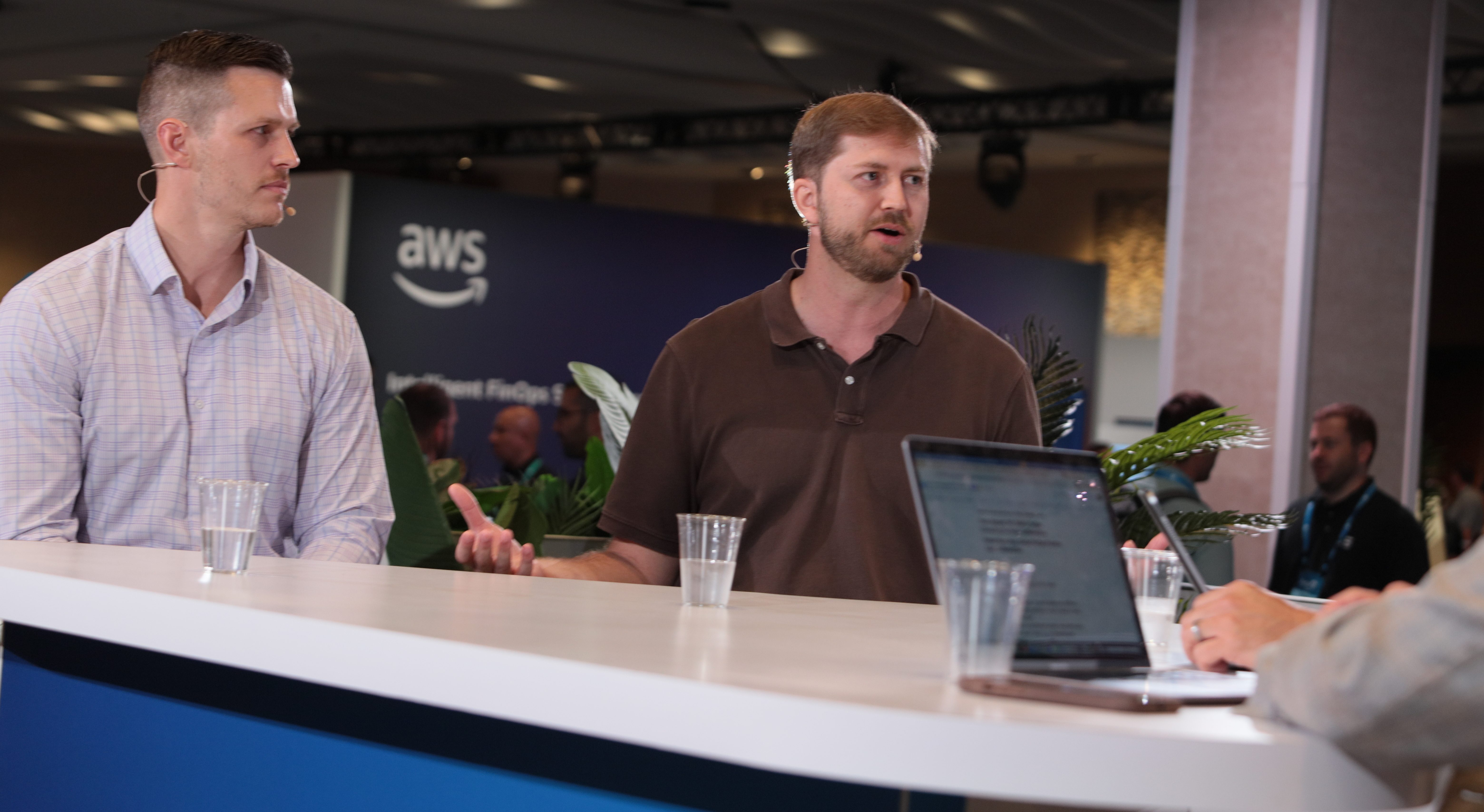
This SiliconANGLE report covers how FinOps, the practice of financial accountability for technology spending, is expanding beyond cloud cost management to address AI costs. At FinOps X 2026, SoftwareOne leaders Trent Allgood and Parker Nancollas explained that organizations are now trying to balance AI value creation with cost control. A key challenge is that AI models can enter and leave production in as little as 60 days, breaking the budgeting and forecasting habits FinOps teams built for slower-changing cloud and on-premises systems.

Anthropic's Dario Amodei wants governments to have the power to block 'dangerous' AI systems
Anthropic PBC Chief Executive Dario Amodei is calling on the U.S. government to block the deployment of dangerous artificial intelligence models in the same way as it prevents unsafe airplanes from taking off. In a new post today on his personal blog, Amodei (pictured) said there need to be mandatory third-party audits of frontier AI [...] The post Anthropic's Dario Amodei wants governments to have the power to block 'dangerous' AI systems appeared first on SiliconANGLE.
DXC will integrate Claude into the systems banks, airlines, and other regulated industries rely on
DXC Technology and Anthropic announced a multi-year global alliance on June 11, 2026 to put Claude inside the core software that banks, airlines, insurers, manufacturers, and government agencies depend on. DXC will train tens of thousands of staff as Claude-certified engineers who embed the AI directly into customer systems. The deal reaches regulated sectors where security and compliance rules are strict, backed by DXC's 115,000 employees across 70 countries.

Automated governance is FinOps' next frontier as AI spend spreads beyond engineering
Artificial intelligence is creating a new class of cloud cost challenge - one that no longer belongs exclusively to engineering teams. As AI tools put spend capabilities into the hands of sales, finance and executive teams, the need for automated governance has become as urgent as the innovation it is meant to protect. The FinOps [...] The post Automated governance is FinOps' next frontier as AI spend spreads beyond engineering appeared first on SiliconANGLE.

FinOps AI goes beyond token economics as agentic costs emerge
As FinOps AI strategies continue to emerge, the familiar cloud cost management approach is breaking down - and organizations that fail to adapt risk runaway spending on workloads they barely understand. FinOps is rapidly evolving from a cloud-billing function into a strategic framework for governing the full technology stack, including AI, software-as-a-service and now autonomous agents. [...] The post FinOps AI goes beyond token economics as agentic costs emerge appeared first on SiliconANGLE.
Access OpenAI models and Codex through your Oracle cloud commitment
OpenAI and Oracle announced on June 10, 2026 a deal that lets Oracle Cloud Infrastructure customers access OpenAI frontier models and the Codex coding tool through the OCI Marketplace. The defining detail is payment: businesses apply their existing Oracle Universal Credits toward OpenAI usage instead of setting up a separate contract. The offer is expected to go live in the coming weeks, handled through Oracle sales channels.

The future of AI regulation is courting the strangest, most anxious bedfellows
AI regulation has become one of the defining political battles of the 2026 midterms, drawing together an unusual cast of senators, billionaire-funded super PACs, AI safety advocates, and anxious voters. The Washington AI Network's second annual AI Honors gala, held June 3, 2026, put that tension on display by celebrating bipartisan lawmakers and industry figures even as polling showed 70 percent of Americans worried about AI's role in elections. The central fight is whether the federal government sets one national rulebook for AI or whether individual states keep writing their own laws.

Best AI Governance Tools for Enterprise-Grade Compliance
The n8n Blog compares eight AI governance platforms that help large companies keep AI systems secure, transparent, and accountable as the technology moves from testing into live production. The lineup includes Credo AI, IBM watsonx.governance, Holistic AI, Collibra, OneTrust, Fiddler AI, Monitaur, and n8n itself for workflow controls. Each tool maps to rules such as the EU AI Act, NIST AI RMF, and NYC Local Law 144, and the guide explains how to pick one based on model inventory, audit evidence, and how deeply the tool plugs into a company's existing systems.

The intelligence layer emerges as the control plane for enterprise AI
As enterprises move beyond AI experimentation into full-scale production, the central challenge has shifted from accessing models to managing the organizational context they need to act reliably. The pressure to govern costs, secure data and maintain accountability is now redefining how companies architect their entire AI intelligence layer. That convergence of AI adoption and infrastructure [...] The post The intelligence layer emerges as the control plane for enterprise AI appeared first on SiliconANGLE.
Alex Vindman Survived Trump's Retaliation Machine. Now He's Running for Senate
Alex Vindman, the retired Army lieutenant colonel who testified in President Trump's first impeachment, is running for the U.S. Senate as a Democrat in Florida. He announced his candidacy on January 27, 2026, and filed paperwork on April 22, seeking the seat Marco Rubio left to become Secretary of State. In a Wired interview, Vindman framed the run as a direct answer to the political retaliation he and his family faced after his 2019 testimony.
Industrial policy for the Intelligence Age
OpenAI released a roughly 13-page policy blueprint, "Industrial Policy for the Intelligence Age," that asks governments to rewrite taxes, benefits, and infrastructure as advanced AI reshapes work. The headline ideas are a public wealth fund giving every citizen a financial stake in AI growth, a robot tax on companies that replace workers with automation, and a subsidized four-day, 32-hour workweek. OpenAI frames the document as a starting point for debate rather than fixed policy and is funding outside research to test the ideas.
The UK Is Betting on a Billion-Dollar AI Supercomputer to Kick Its Addiction to US Tech
The UK government has committed 1.1 billion pounds, about 1.47 billion dollars, to build domestic AI computing power and reduce its dependence on US chip suppliers. Technology Secretary Liz Kendall announced the package at London Tech Week, with the headline being a 750 million pound national AI supercomputer set for deployment in 2030. The plan also makes the state an early buyer of chips from British startups and funds homegrown semiconductor design.

Cloud CISO Perspectives: How to build an AI-ready security program for the public sector
Welcome to the second Cloud CISO Perspectives for May 2026. Today, Usman Chaudhary, Field CISO, Google Public Sector, offers a guide for CISOs protecting government agencies and critical infrastructure on how to get started - and get the most out of - defending with AI. As with all Cloud CISO Perspectives, the contents of this newsletter are posted to the Google Cloud blog. If you're reading this on the website and you'd like to receive the email version, you can subscribe here. aside_block ), ('btn_text', 'Visit the hub'), ('href', 'https://cloud.google.com/solutions/security/board-of-directo

South Africa Has AI Leverage. Its Draft Policy Leaves It Unused
This article is adapted by the author with permission from Tech Policy Press. Read the original article. South Africa is not just another developing country struggling to govern artificial intelligence; it is the exception with leverage, and the window to act on it is closing. It holds approximately 88 percent of global platinum-group metal reserves, critical inputs to parts of the semiconductor and data-center supply chains that make AI infrastructure possible. It hosts the largest data-center market on the continent. Its existing hyperscaler relationships give it procurement leverage that mo

Thermal Cameras and AI Help Ships Steer Clear of Gray Whales
On a sunny Tuesday afternoon in May, San Francisco Bay is busy. Container ships the size of skyscrapers deliver their wares to the Port of Oakland, tankers bear fuel, and ferries carry tourists to their hikes and commuters to their jobs at AI startups. Looking down at this marine traffic from Angel Island, located near the entrance to the bay, a group of excited scientists point to some sparkles on the surface of the water: Three gray whales are coming up for breath. A collaboration of government agencies and scientists hopes to keep interspecies traffic running safely, thanks to an AI-based w

Reclaiming Social Engineering for Good
"Social engineering" sounds like something out of a conspiracy thriller, charged with totalitarian control and fringe paranoia. More mundanely, it's come to be associated with phishing and other scams, in which fraudsters manipulate people into disclosing personal information. Yet the concept is older and more benign: it is the deliberate shaping of human behavior, often at scale. It predates silicon-and became pervasive, and ungoverned, especially once its practitioners learned to hide it. Authoritarian regimes and more recently scammers and big companies have profited from it. To defend ours

AI's easy on-ramp has become a costly exit problem for enterprises, says Red Hat
As enterprises push AI beyond the pilot stage, the cost and complexity of running inference at scale are forcing a fundamental rethink of how infrastructure is designed, governed and sourced, putting horizontal cloud - one shared foundation for running workloads across the enterprise - at the center of AI strategy. The open hybrid cloud model [...] The post AI's easy on-ramp has become a costly exit problem for enterprises, says Red Hat appeared first on SiliconANGLE.

IBM's enterprise AI strategy makes trust and control the production test
Before artificial intelligence can scale, governed enterprise AI has to prove it can be trusted. As companies move from pilots to production, the real test is whether platforms can bring automation, trusted data and operational control into messy business environments without creating more risk than value. That shift gives IBM Corp. a practical opening as [...] The post IBM's enterprise AI strategy makes trust and control the production test appeared first on SiliconANGLE.

SAP recasts Joule as the front door to autonomous enterprise AI
SAP SE today introduced at Sapphire 2026, the company's annual conference, what it calls Autonomous Enterprise, a suite of artificial intelligence tools and agents designed to enhance how humans and AI work together. The announcements are built on SAP Business AI Platform, a new governed foundation for building and deploying enterprise AI grounded in business [...] The post SAP recasts Joule as the front door to autonomous enterprise AI appeared first on SiliconANGLE.
Proximal Policy Optimization
We're releasing a new class of reinforcement learning algorithms, Proximal Policy Optimization (PPO), which perform comparably or better than state-of-the-art approaches while being much simpler to implement and tune. PPO has become the default reinforcement learning algorithm at OpenAI because of its ease of use and good performance.