AI News and Blog Articles
Curated updates from the most trusted sources in artificial intelligence. Stay ahead without the noise.
Top AI News
Hand-picked stories worth reading right now20 articles found
Building Supercharger: How Rocket Close optimized title operations with agentic AI
Rocket Close, the title operations arm of the Rocket mortgage group, built an internal solution called Supercharger to optimize title operations using agentic AI. The system was built on Strands Agents, large language models, Amazon Bedrock, Amazon Bedrock Knowledge Bases, and Model Context Protocol (MCP) tools. The AWS Machine Learning Blog post walks through the solution's features, the reasoning behind the technology stack, lessons the team learned, and the business impact at Rocket Close.

Build a meeting prep and follow-up assistant with Amazon Quick and Cisco Webex MCP servers
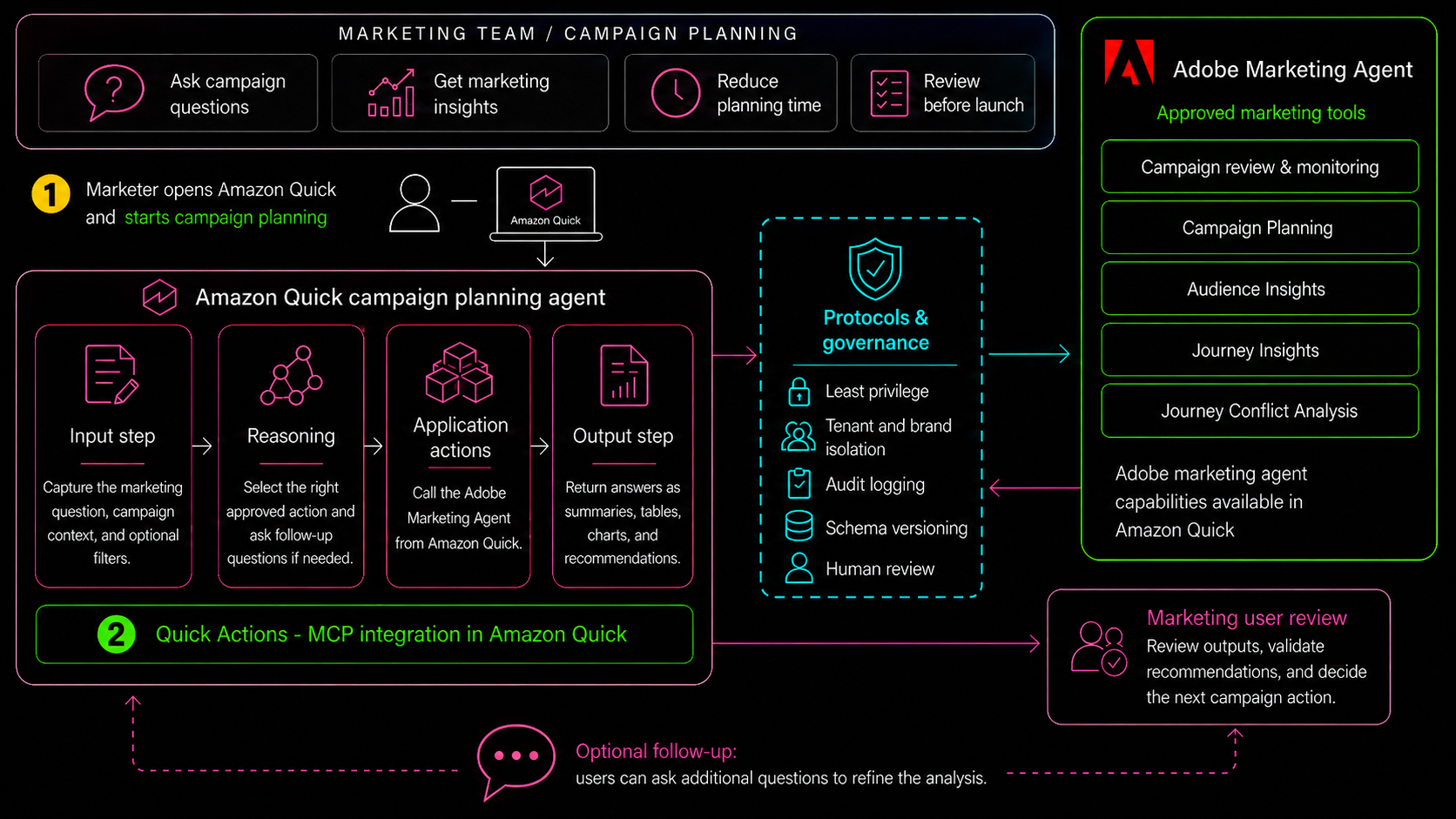
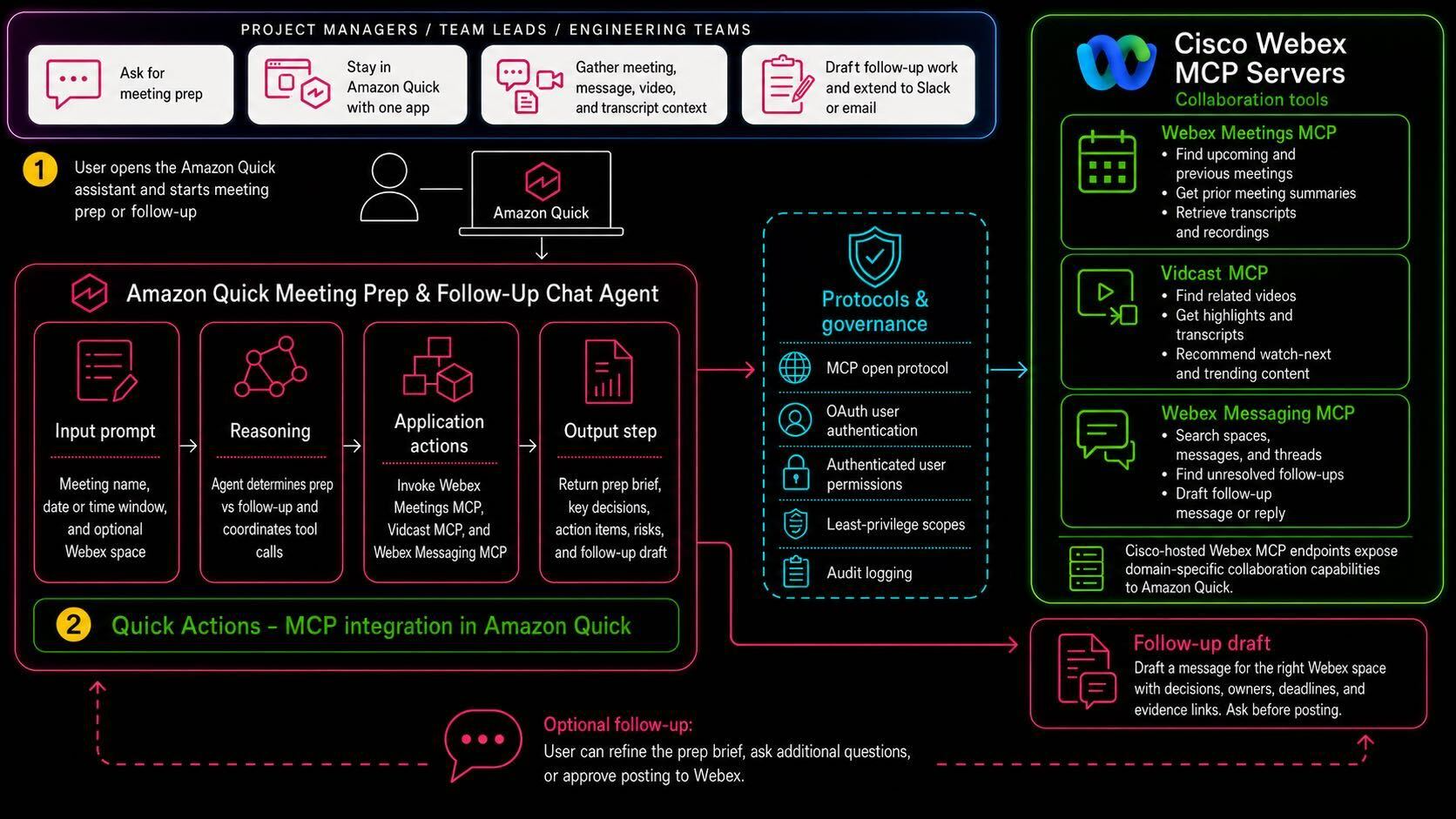
This AWS Machine Learning post describes how to build a custom meeting prep and follow-up assistant using Amazon Quick and Cisco Webex MCP servers. From a single prompt, the agent finds an upcoming Webex meeting, reviews prior meeting summaries and transcripts, and pulls related Vidcast highlights and transcript context. It then searches Webex message threads for unresolved follow-ups and creates a concise prep brief. After the meeting, the same assistant can summarize the discussion, identify action items, find related Vidcast updates, and draft a follow-up message for the right Webex space.

From PDFs to insights: Architecting an intelligent document processing pipeline with AWS generative AI services
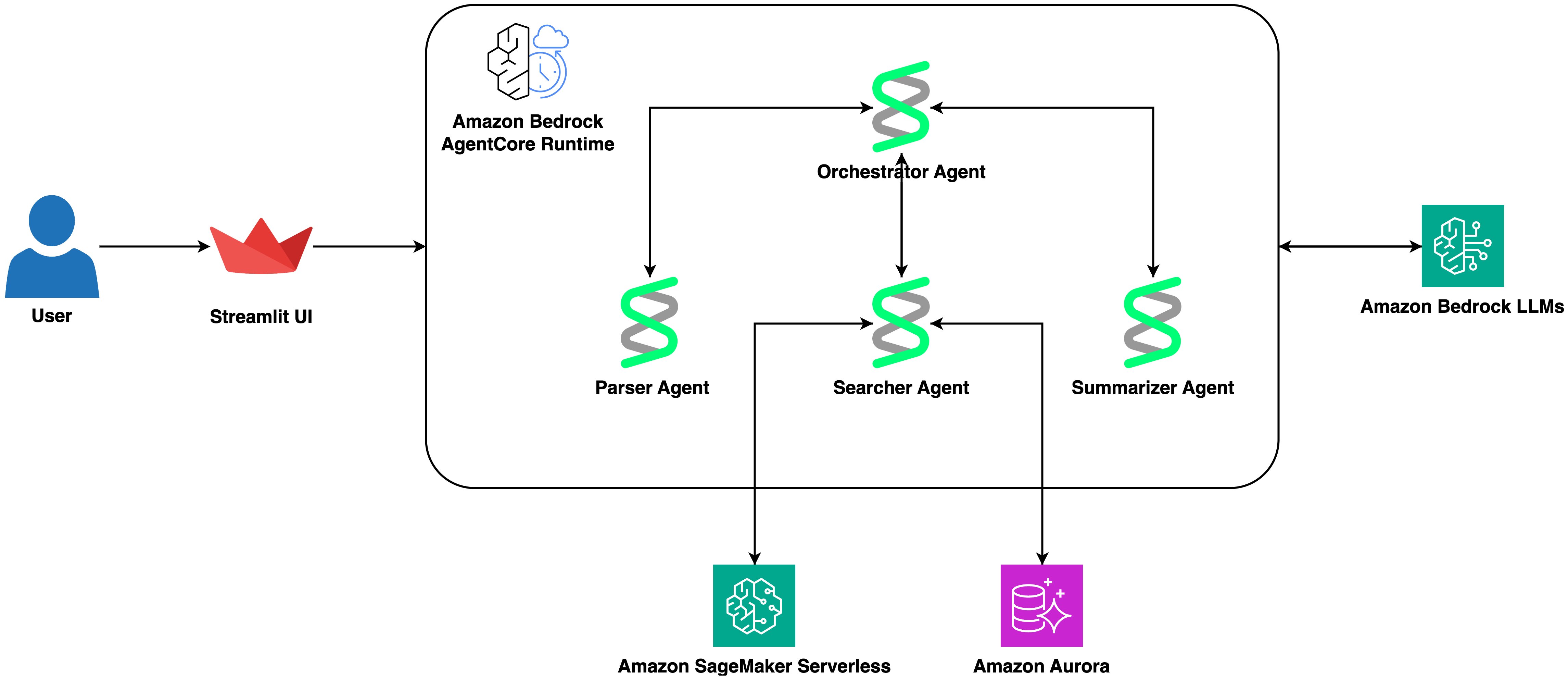
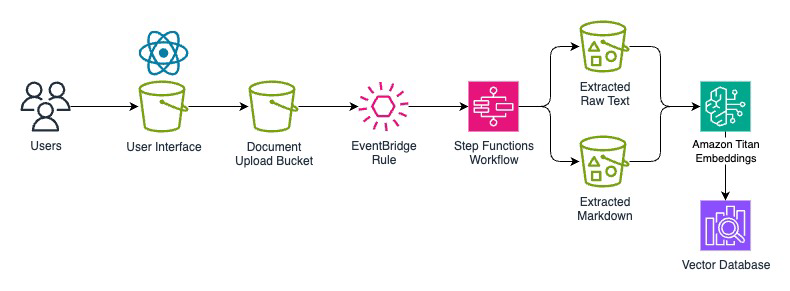
This AWS Machine Learning Blog post describes how to build a cost-effective and scalable intelligent document processing pipeline on AWS, powered by Amazon Bedrock. It shows how Amazon Bedrock Data Automation (BDA) extracts and analyzes document content, while a Strands Agent hosted on Amazon Bedrock AgentCore Runtime coordinates specialized processing tasks, and Amazon Bedrock Knowledge Bases provide contextual understanding across multiple documents. The post argues that combining these capabilities in one architecture lets organizations transform document workflows with minimal development effort.

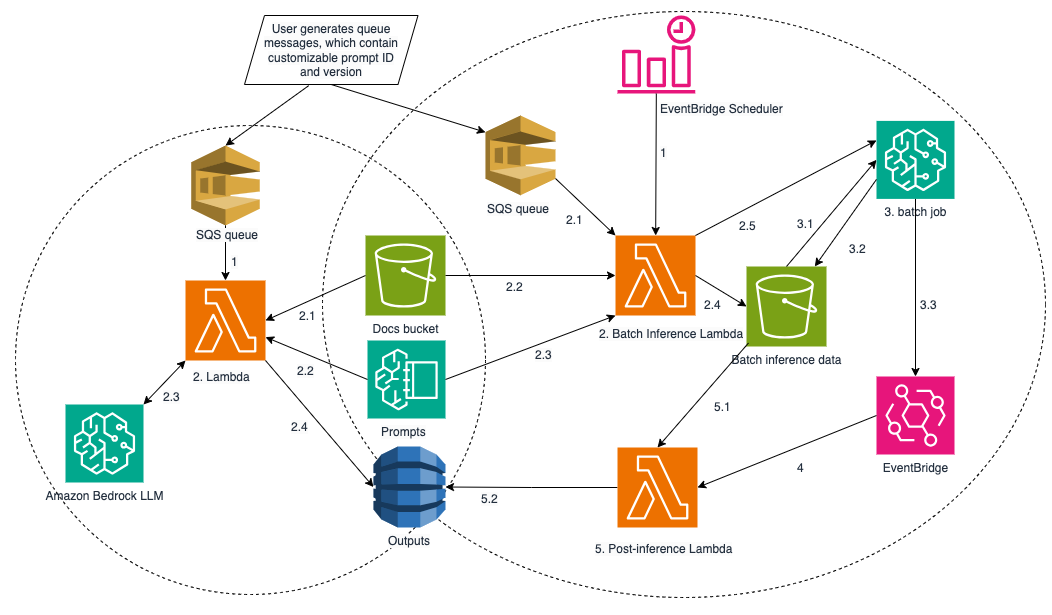
Extract Data with On-demand and Batch Pipelines Dynamically
AWS published an engineering guide for an intelligent document processing pipeline on Amazon Bedrock that lets a business choose speed or savings for each document. On-demand inference returns extracted fields within seconds for urgent work, while batch inference runs documents in bulk at a price 50% lower than the on-demand path. With parallelism turned on, the batch pipeline handles 1,000 documents within 15 minutes and uses Claude Sonnet 4 to read the pages.

Amazon's data centers used 2.5 billion gallons of water last year
Amazon disclosed for the first time how much water its data centers consume, reporting 2.5 billion gallons globally in 2025 at a rate of 0.12 liters per kilowatt-hour of electricity. The company says it cut water use by 2 percent at sites it owns and operates versus 2024 even while expanding, and it claims to run more water-efficiently than Microsoft, Google, and Meta. The disclosure landed days after Seattle passed a one-year data center moratorium, an effort some Amazon employees supported.

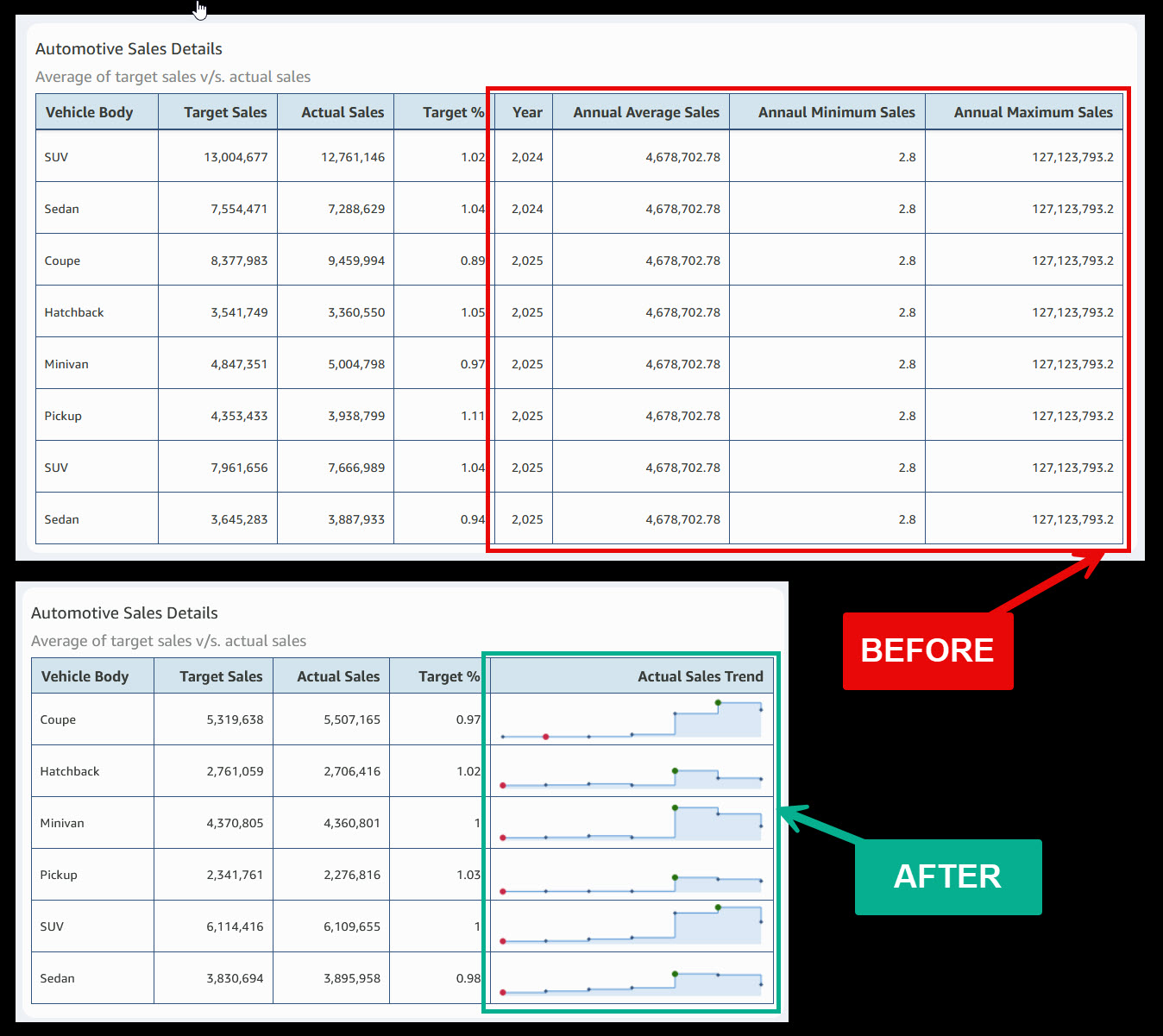
Spot trends faster, sort smarter: Unlocking Sparklines and Custom Sort in Amazon Quick
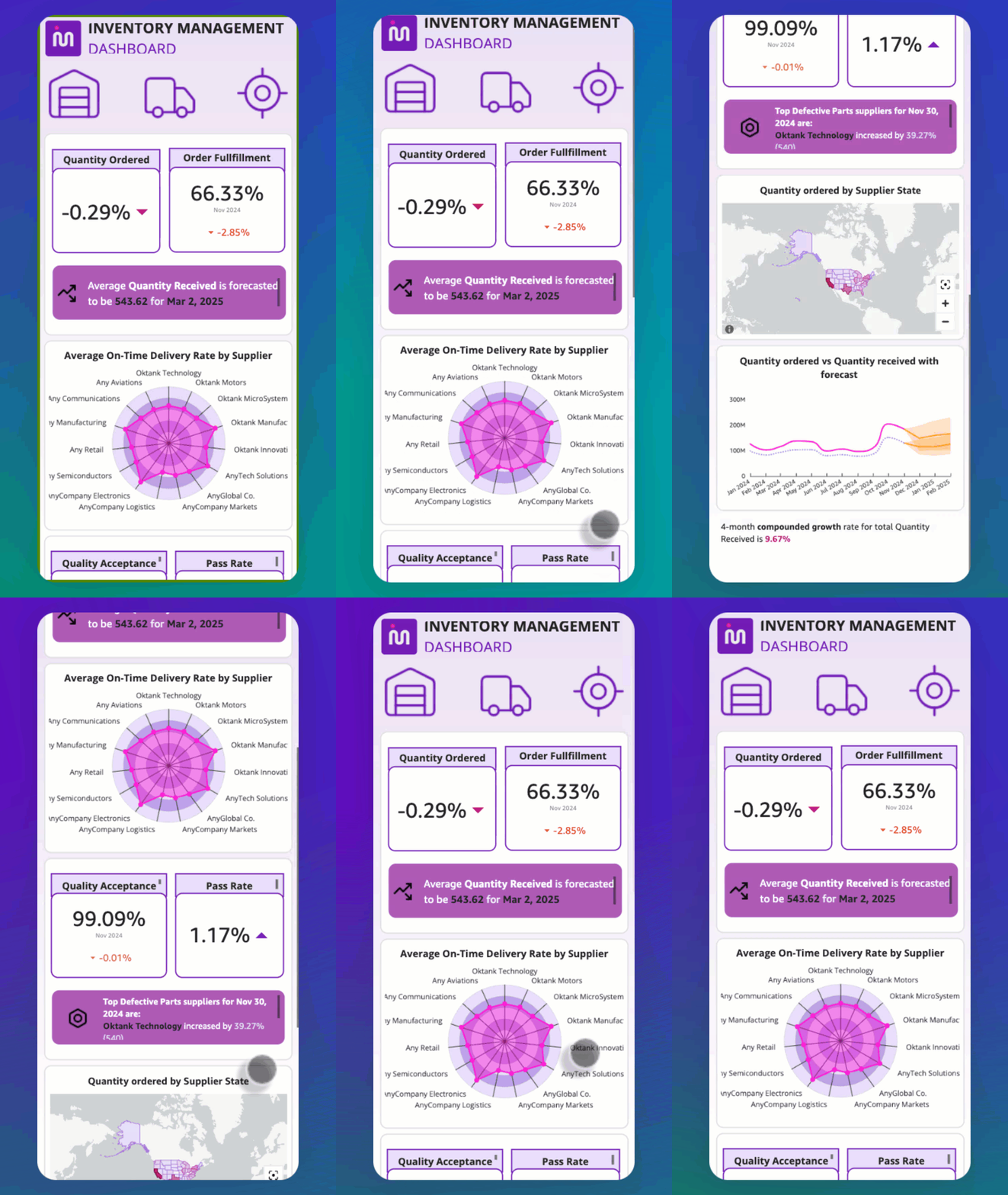
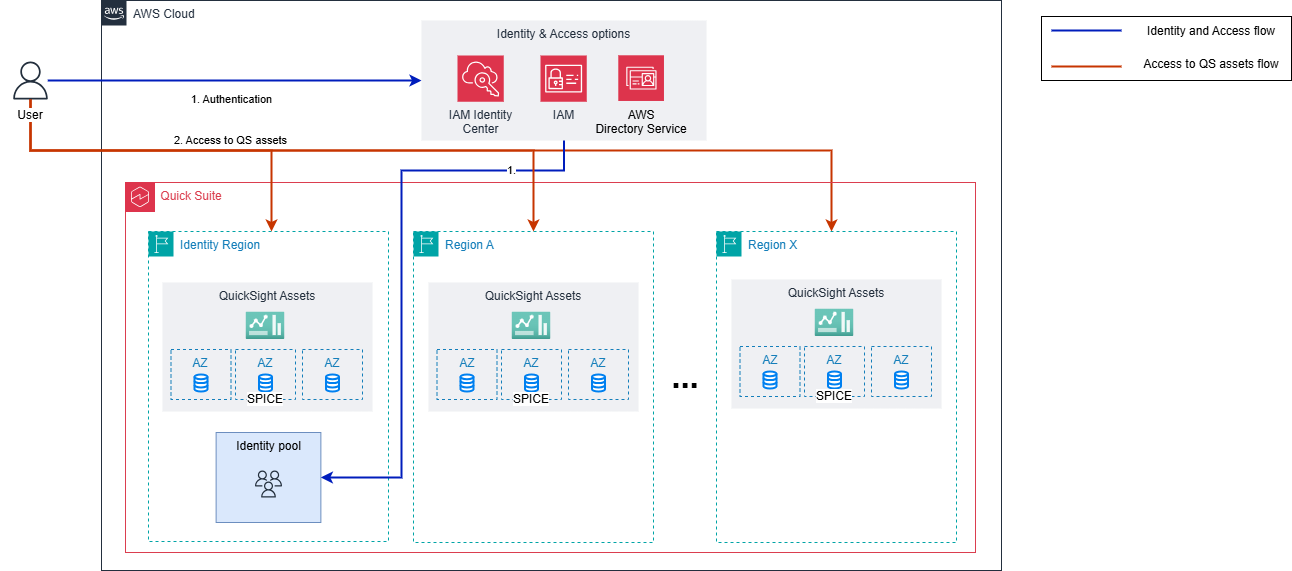
Amazon QuickSight, the AWS business intelligence tool, added two dashboard features aimed at non-technical decision makers: sparklines and custom sort for filter controls. Sparklines place a small inline trend line directly inside a table cell so a reader spots direction at a glance without opening a separate chart. Custom sort lets the person building a dashboard set the order of values inside dropdown and list filters instead of relying on default alphabetical order. Both features target teams that want dashboards to follow business logic rather than technical defaults.

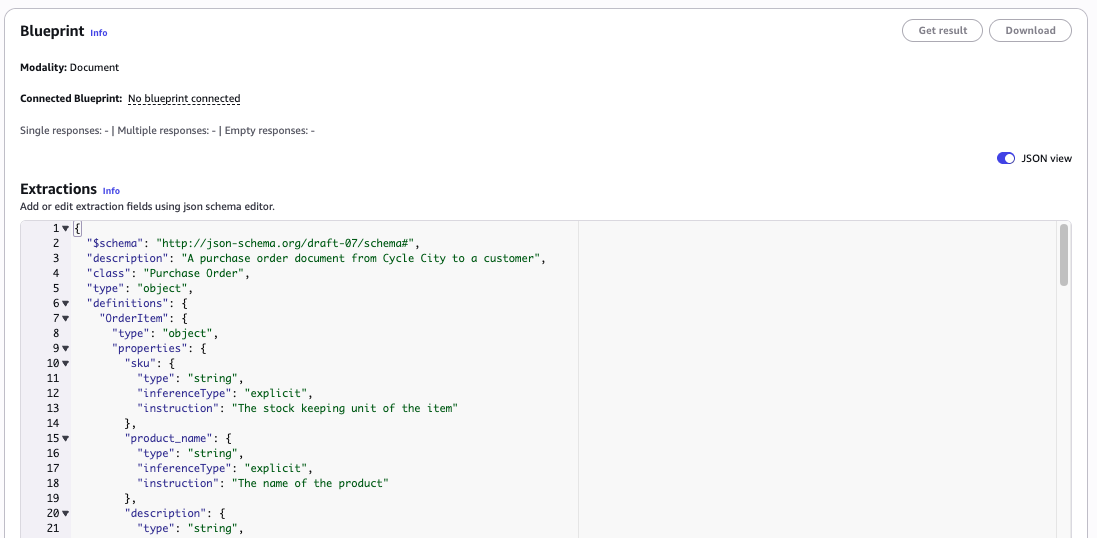
Optimize blueprint extraction accuracy in Amazon Bedrock Data Automation
Amazon has added a feature to Bedrock Data Automation that automatically sharpens how its document extraction tool reads business paperwork. Called blueprint instruction optimization, it takes three to ten sample documents plus their correct answers and rewrites the extraction instructions to lift accuracy in minutes rather than weeks. No separate model training or fine-tuning is required, and the work runs through either the Amazon Bedrock console or an API.
DoorDash's new AI chatbot lets you order with prompts and photos
DoorDash launched Ask DoorDash, an AI chatbot that turns plain-language requests and photos into orders for food, groceries, and restaurant reservations. Instead of scrolling through menus and stores, shoppers tap an Ask button in the search bar and describe what they want, and the app surfaces matching options or fills a cart. The tool is rolling out first on iOS in select regions, with wider availability across the United States in the coming weeks.
Fresh off bond sale, Amazon borrows $17.5B from banks as AI spending continues
Amazon arranged a $17.5 billion loan from a syndicate of more than a dozen banks led by Citigroup, the latest sign of how much it is willing to borrow to fund its AI buildout. The deal landed two days after Amazon raised about $10 billion in a record Canadian-dollar bond sale, adding roughly $27 billion in fresh financing inside 48 hours. The new borrowing pushed Amazon's total debt past $225 billion, up about 50 percent from a year earlier.

I tried Siri AI, and so far it actually works
Apple's rebuilt Siri AI, shown at WWDC 2026, finally works for everyday multistep tasks, according to a hands-on test by The Verge. The new assistant adds a batch of events from an email or a messy flyer to your calendar in one shot, builds shopping lists, sets reminders, and answers practical questions by reading your own email, messages, and calendar. The Verge's writer tried each scenario and confirmed it worked, while noting the feature set still trails what Google's Gemini has done on Android for two years. The upgrade runs partly on a custom Google Gemini model hosted on Apple's privacy servers.

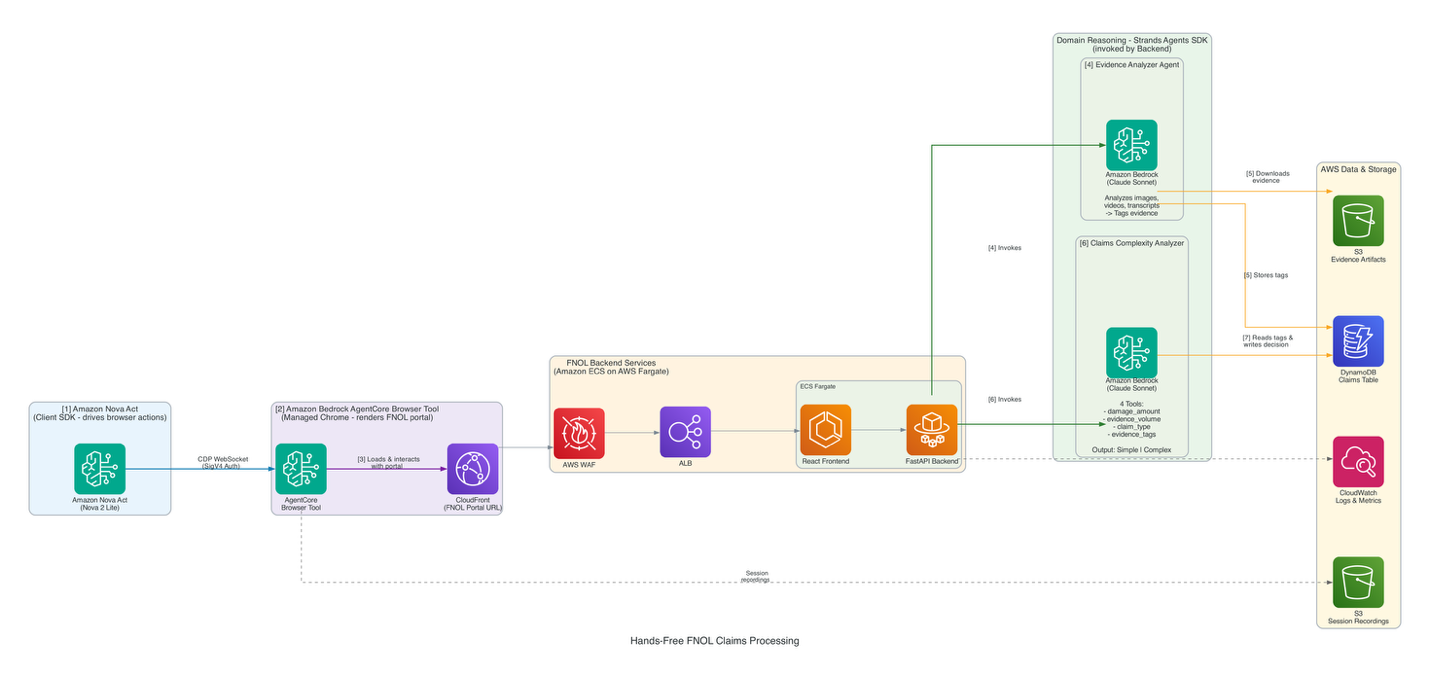
Hands-free first notice of loss: Using Strands Agents and Amazon Bedrock AgentCore Browser Tool for intelligent claims intake
AWS published a technical walkthrough of a hands-free first notice of loss (FNOL) intake system that automates the opening step of an insurance claim. The design pairs domain-reasoning agents built on the open-source Strands Agents SDK with the Amazon Bedrock AgentCore Browser Tool, which drives a managed Chrome session to fill claim portals on its own. Instead of handing adjusters a pile of raw photos and recordings, the system tags and scores evidence at submission time so a person starts with pre-analyzed context.

Build an agentic incident triage assistant with Amazon Quick and New Relic
AWS published a guide showing engineering teams how to build an AI agent that handles incident triage from a single prompt. The agent uses Amazon Quick to investigate an outage through the New Relic Model Context Protocol (MCP) Server, write a root cause analysis brief with evidence links, and open a tracked task in Asana for follow-up. The goal is to compress the slow evidence-gathering work that site reliability engineers do across separate tools into one automated flow.

Amazon employees ask Seattle to put the brakes on new data centers
Seattle's City Council voted 9-0 on June 9, 2026 to pause construction of large new data centers for one year, with an option to extend the freeze another six months. The move followed proposals from four companies to build five big facilities that together would draw about 369 megawatts, roughly a third of the electricity the city uses on an average day. Among the policy's loudest backers were current Amazon employees, who testified in support even though their employer is the region's largest tech firm.

Amazon is launching AI-generated custom merch
Amazon now lets US shoppers create custom merchandise from AI text prompts inside the Amazon app, with the designs printed on apparel and drinkware and shipped through its existing Merch on Demand service. Announced June 8, 2026, the feature works through Alexa for Shopping: a shopper describes an idea, sees an AI design in seconds, edits it, and orders it like any other Amazon purchase. Designing is free, and customers pay only for the finished product.

Unlocking AI flexibility in Europe: A guide to cross-region inference for EU data processing and model access
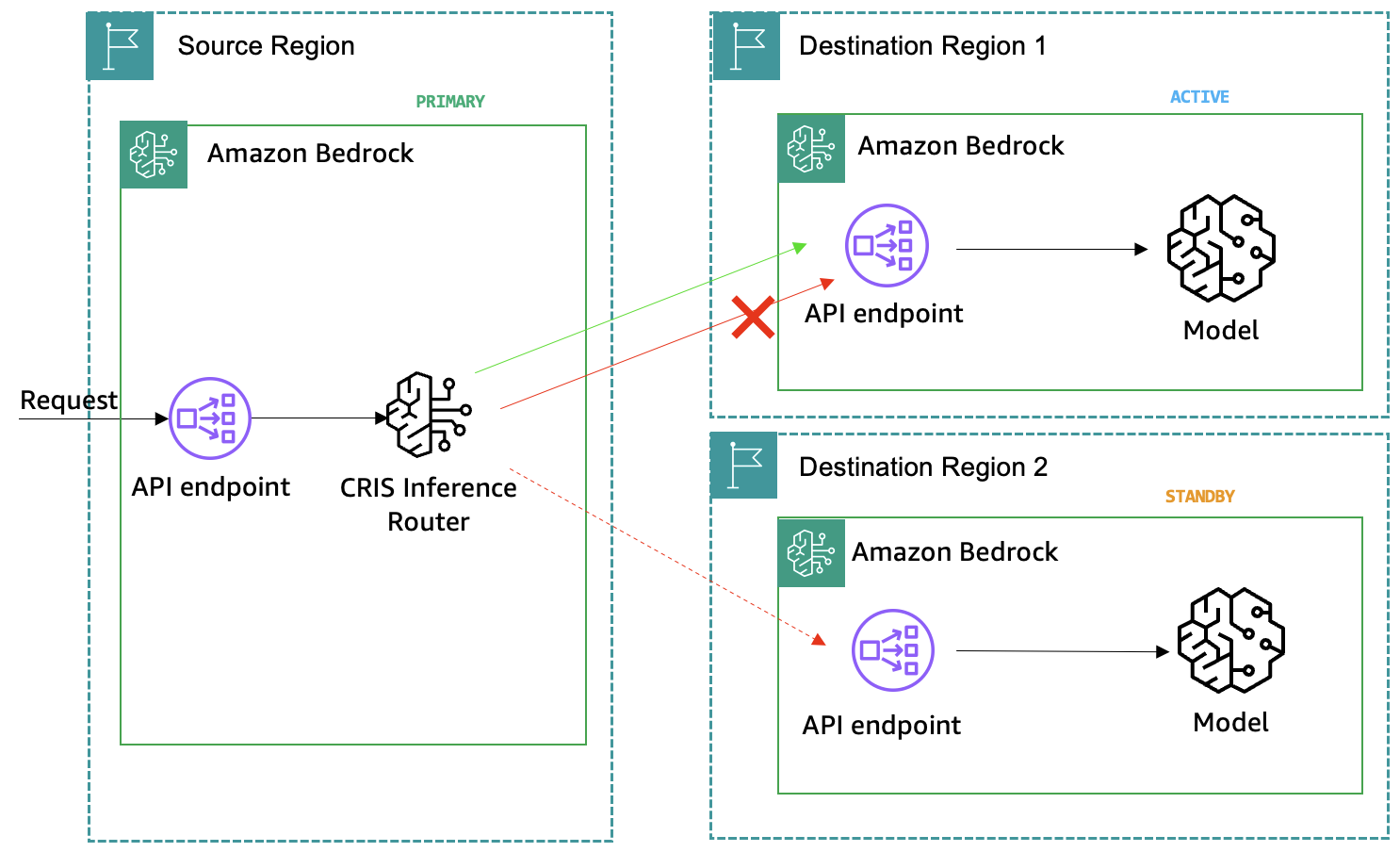
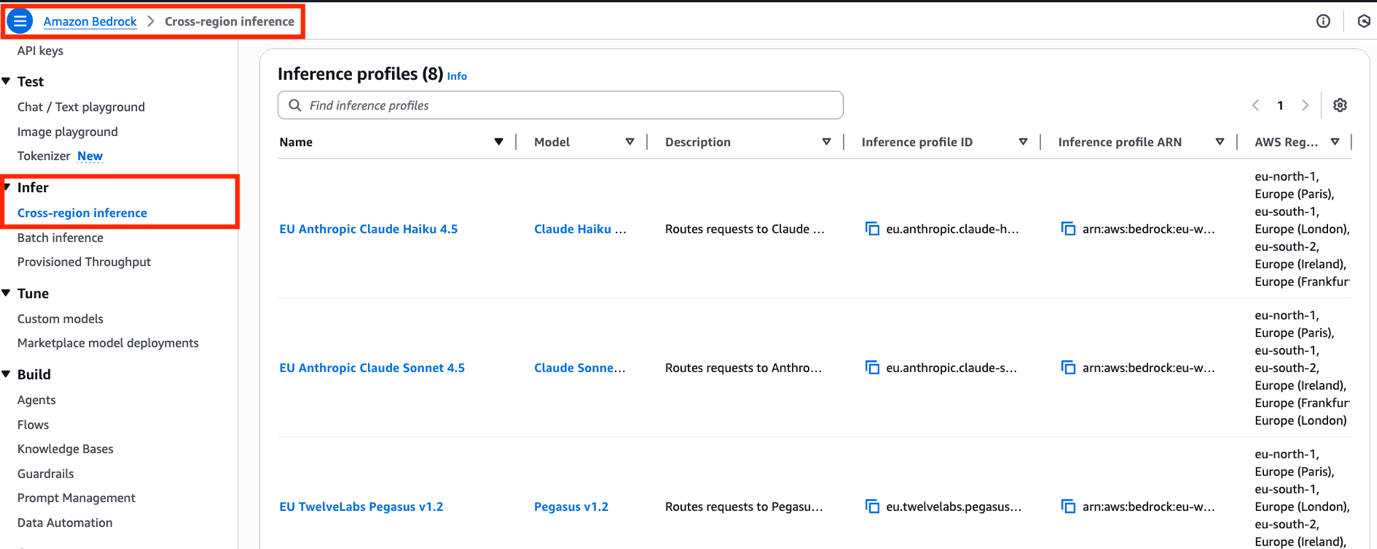
Amazon Web Services published a guide explaining how cross-Region Inference (CRIS) on Amazon Bedrock lets European customers run generative AI workloads with more capacity while keeping data inside the European Union. The feature automatically routes model requests across several EU AWS Regions, such as Frankfurt, Ireland, Paris, and Stockholm, so a request starting in Europe is only ever processed in Europe. Traffic stays on the encrypted AWS network and never crosses the public internet, which helps businesses meet data residency and GDPR obligations. For some models the EU cross-Region option also costs less than calling a single Region directly.

It's safe to close your laptop now: Hosting coding agents on Amazon Bedrock AgentCore
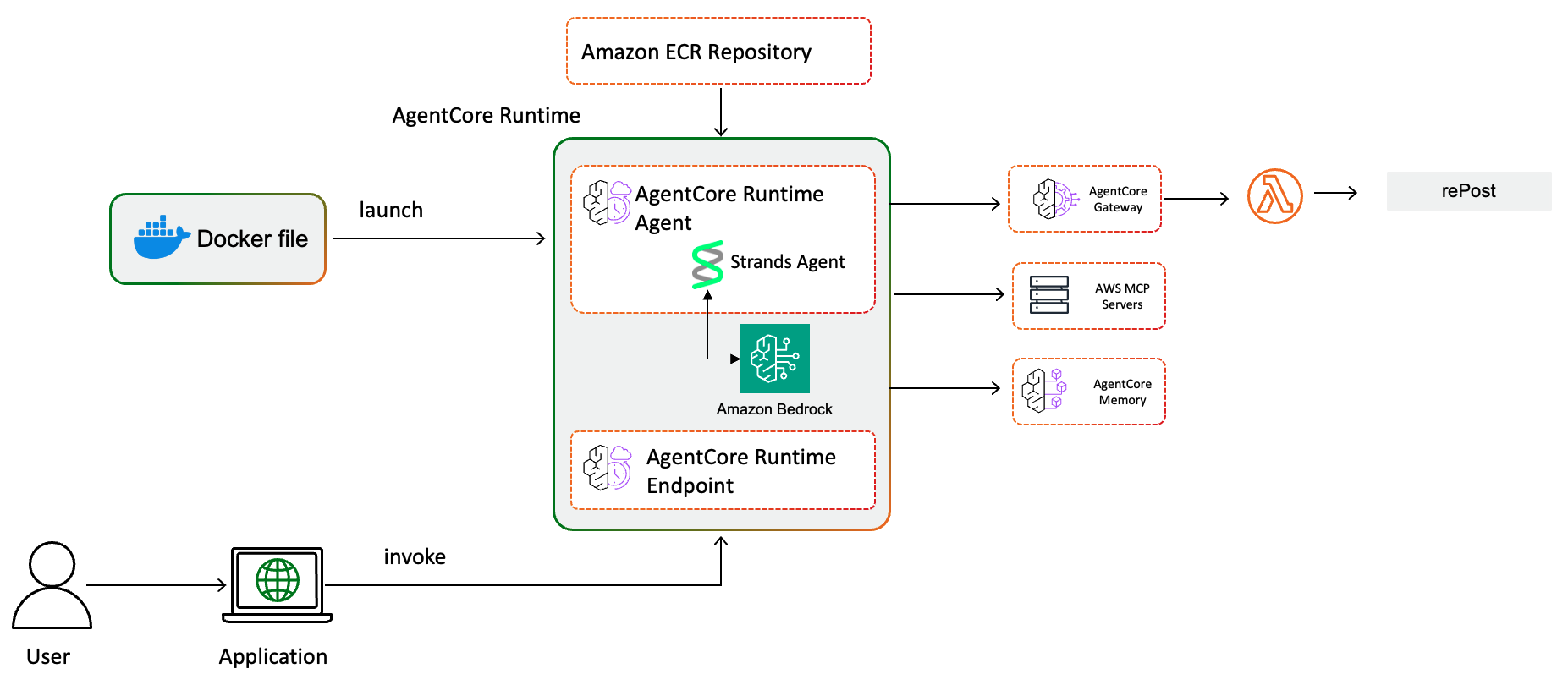
Amazon Bedrock AgentCore Runtime gives each agent session its own isolated microVM with a persistent workspace, secure tool access through Gateway, and built-in observability-so you can run Claude Code, Codex, Kiro, and Cursor in parallel without sharing secrets, ports, or filesystems. Close the lid, go to dinner, and pick up where you left off tomorrow.

End-to-end encrypted ML inference with Amazon SageMaker AI and FHE
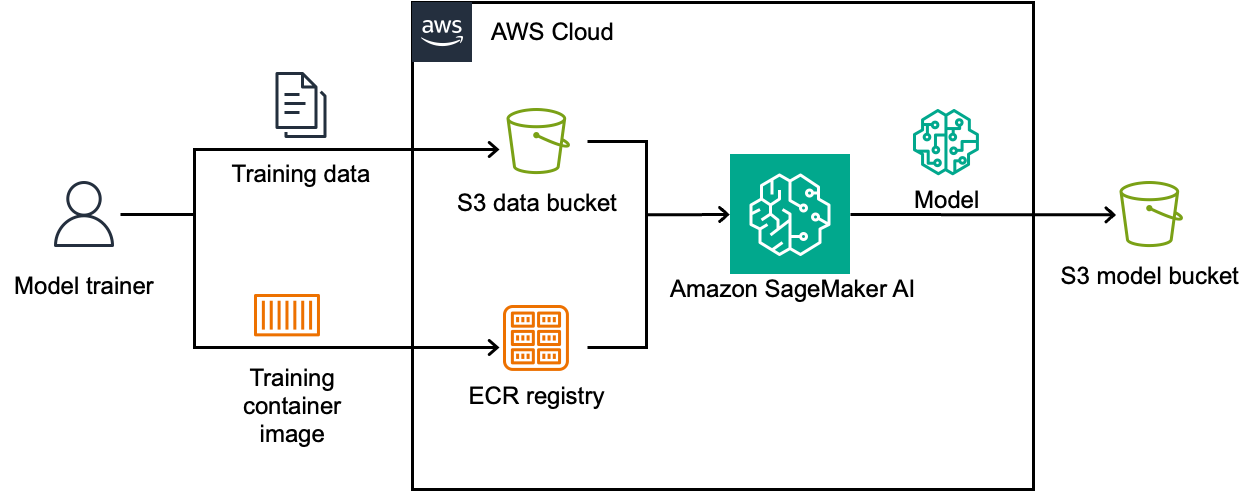
This blog has previously discussed FHE for ML inference in the post Enable fully homomorphic encryption with Amazon SageMaker endpoints for secure, real-time inferencing, but this post goes a little further. That previous post showed how to implement FHE-based inference 'from scratch' by hand-crafting a linear-regression algorithm using a low-level library called SEAL. Instead, this post shows a much more flexible and higher-level approach based on concrete-ml, a high-level library built specifically for FHE-based inference. It supports several common types of models 'out of the box' and is ev

Automate model quota request and operational issue triage on Amazon Bedrock
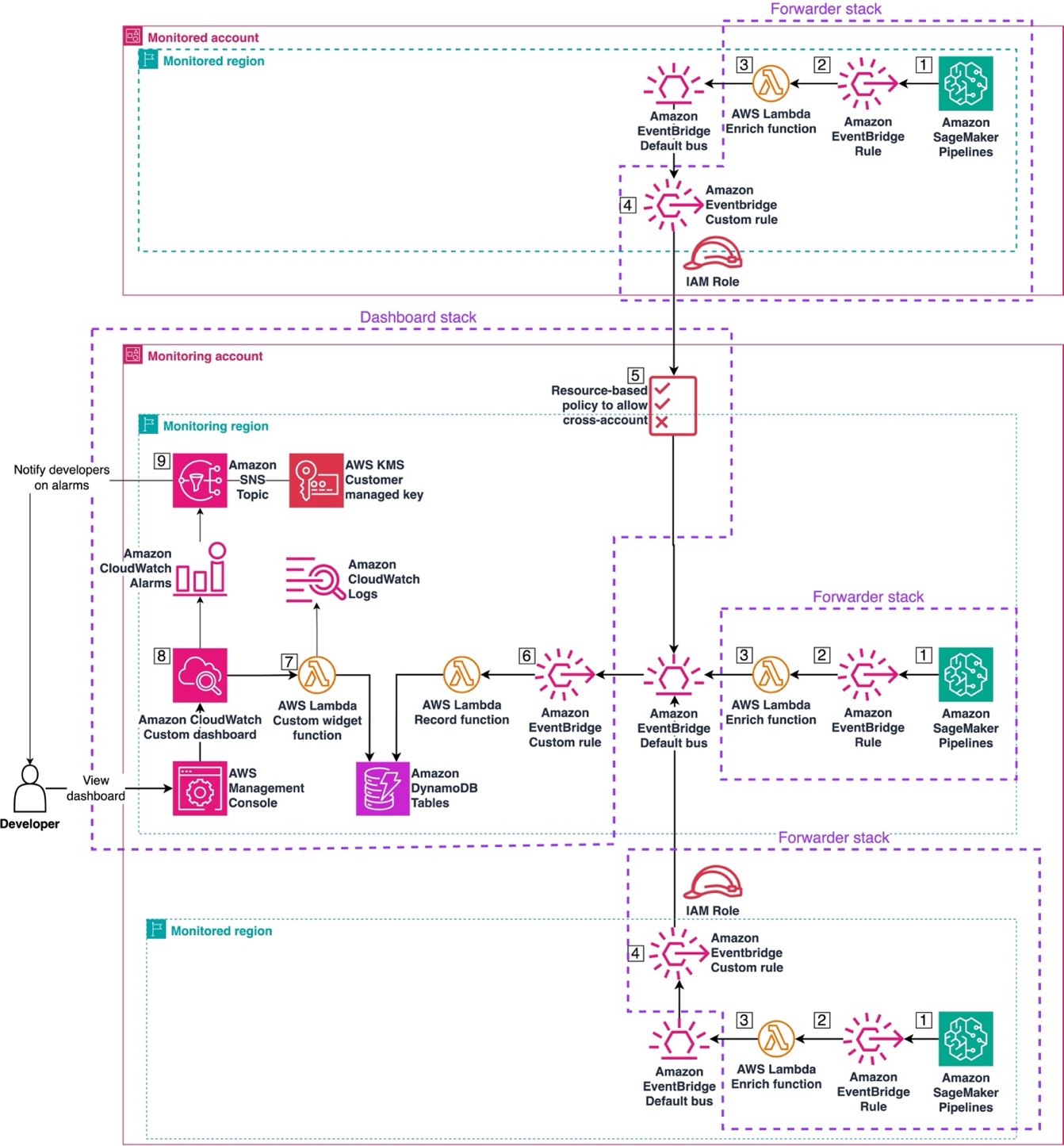
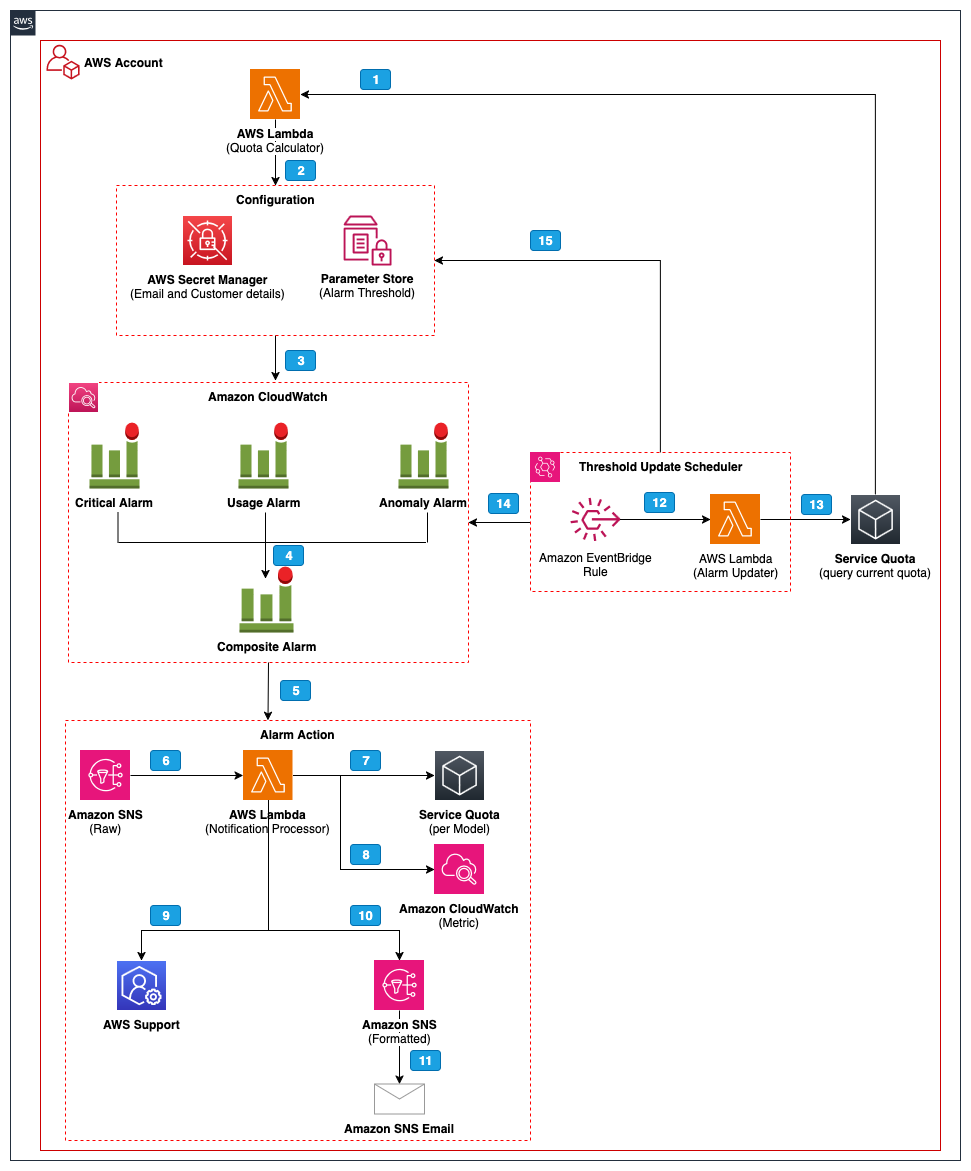
In this post, we introduce Amazon Bedrock Ops Alert, a three-layer automated monitoring solution that proactively detects operational issues, dynamically adjusts alarm thresholds, classifies alarms by category, automatically creates context-aware support cases, helps prevent duplicate cases when an unresolved case of the same alarm category is already active, and delivers contextualized notifications to AI SRE teams. We walk through the solution architecture and how you can deploy it in your own environment.

AWS Kiro accelerates software development by proving code correctness before it gets to work
Amazon Web Services Inc. is trying to get rid of the bottleneck between architectural planning and code execution with a number of upgrades to its artificial intelligence software development tool Kiro. The upgrades, which are all rolling out today, include Parallel Task Execution and streamlined Quick Plan workflow capabilities designed to help developers move faster. [...] The post AWS Kiro accelerates software development by proving code correctness before it gets to work appeared first on SiliconANGLE.

Google Cloud sees its marketplace as the launchpad for the agentic enterprise
Enterprise software buyers are moving fast - and they're no longer shopping the way they used to. The shift toward platform-centric, outcome-driven procurement is accelerating the new agentic reality that's transforming how work gets done, creating a rare window for companies that have positioned themselves at the intersection of distribution and autonomous AI. As Google [...] The post Google Cloud sees its marketplace as the launchpad for the agentic enterprise appeared first on SiliconANGLE.